
You know that moment. You’ve hustled to build an ad campaigns that feels just right. The copy sings, the visuals pop. You hit the launch.
And? It’s magic. Engagement shoots up. Leads start rolling in. Sales follow. It feels like you finally cracked the code.
Fast forward a few weeks… and it’s not hitting the same. Clicks slow down. Conversion rates dip. Momentum fades. You’re sitting there, staring at the dashboard thinking:
“Did something break? Are people just tired of us? Is it this ad or everything?”
Welcome to the slow fade of diminishing returns.
Here’s the upside: recognizing this drop-off quickly puts you ahead of most. Because while others sink more dollars into what used to work, you can course correct. Shift your creativity. Rework your targeting. Scale smarter.
Let’s walk through how to spot ad campaigns that are losing traction and what to do when things start sliding.
Introduction: The Trouble With “More”
A lot of people think if an ad’s working, the answer is simple. Just spend more. Run it longer. Turn it up.
But it doesn’t usually play out like that. Ad performance has a curve. First, results grow. Then they level off. Eventually? They fall.
That dip is what we call diminishing returns. You put more money in but get less out.
If you can recognize when your ad campaigns start slipping, you can pause before you waste a chunk of budget. That’s when strategy kicks in—and where the best marketers earn their edge.
But to notice it, you need to understand what you’re looking for.
What Is an Ad Campaign Anyway?
Let’s pull back for a sec. Not every ad is a campaign. A real campaign is a coordinated push. Multiple touchpoints. A single goal.
It’s the full machine not just a banner ad or a boost on Facebook.
What Makes Up an Ad Campaign?
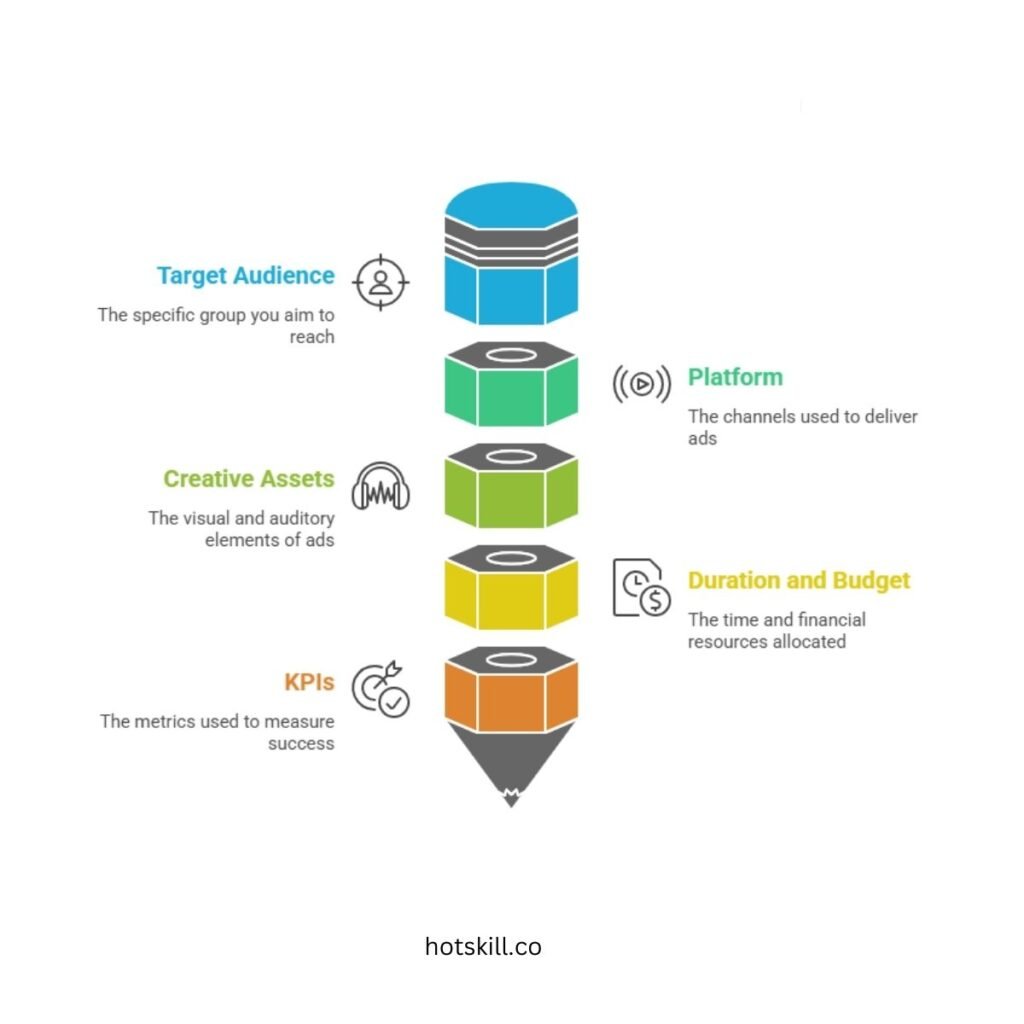
Most ad campaigns, no matter the style, are built from the same pieces:
1. Target Audience – Who do you want to reach? Specificity here changes everything.
2. Platform – Are you showing up on Instagram, YouTube, search results, radio? Each has its own quirks.
3. Creative Assets – What they actually see. Video, graphics, voiceovers, landing pages, messaging.
4. Duration and Budget – How much time you’ve got and what you’re willing to spend.
5. KPIs – Clicks, downloads, leads, app installs whatever winning means to your team.
This stuff matters. Get it wrong, and even a high-budget campaign can flop. Get it right, and low-budget ones can punch above their weight.
Knowing Your Campaign Type Matters
Different ad campaigns burn out in different ways.
- Digital Ads – Facebook, programmatic banners, Google search. These can flame out fast if your targeting’s too tight or your audience gets bored.
- Traditional Ads – Print, radio, out-of-home. These move slower but give fewer signals. It’s harder to track performance, but the impact can linger longer.
Recognizing what you’re running helps you know what to watch and where returns tend to start fizzling out first.
How to Spot the Dip Before It Hurts
Every campaign slows down. The trick is catching the dip before it eats your results.
Sometimes, it starts subtle. A feeling. Other times, the numbers start flashing red.
Here’s how to see it before it’s too late.
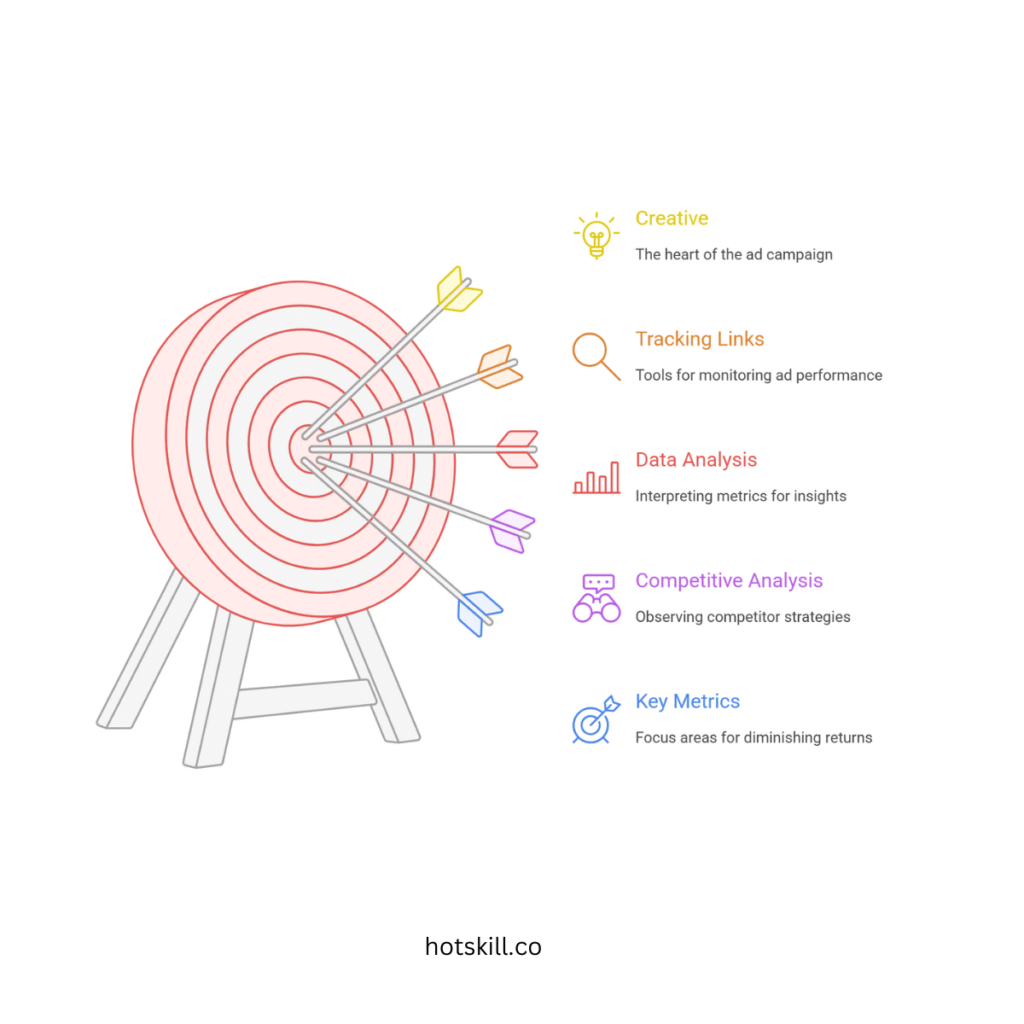
It Starts With the Creative
First place to look? The ad itself.
- Creative Fatigue – You’ve seen that image five times today. So has your audience. When people scroll past without pausing, that’s a sign the magic’s gone.
- Message Repeats – If your messaging feels like a broken record, conversions drop. People just tune out.
- Outdated Context – That trending meme you used in April? Might already be cringey in June. Timing matters.
It’s not always about poor quality it’s about freshness. Audiences don’t like stale content. Neither do algorithms.
Trust your gut. If the ad makes you zone out? Chances are others feel the same.
Use Tracking Links Like a Pro
Gut checks are great but numbers don’t lie.
Set up your tracking links right from the start. UTM codes and channel identifiers let you trace what comes from where.
Now, look at the trends.
- If your cost per result keeps rising, even though spend is steady? Warning sign.
- If email campaigns suddenly outperform display ads? Time to shift focus.
One example: say your Instagram Story ads crush it for two weeks. Then the CTR drops 30 percent in week three. Don’t wait. Rotate that creative, tweak targeting, or reduce frequency.
Data Doesn’t Have to Be Scary
You don’t need to be a data scientist just curious and consistent. With the right tools, patterns show up fast.
- GA4 (Google Analytics) – Follow the user after the click. What pages they hit. Where they drop. How long they linger.
- Ad Dashboards – Meta, Google, TikTok they all show you frequency, impressions, cost per action, and more. Chart this stuff. Spot the slope.
- Attribution Models – Sometimes an ad helps close the deal it just doesn’t get the actual credit. Multi-touch tools like Segment or HubSpot can help reveal those hidden wins.
This gets even more important in high-stakes industries like finance or healthcare, where trust builds slowly and one touchpoint rarely closes the loop.
Watch the Competition
You’re not running ads in a vacuum.
If another brand swoops in with a slick campaign while your audience engagement tanks? That’s not random.
Try this:
- Use Adbeat, SimilarWeb, or even Facebook’s Ad Library to see what your competitors are pushing.
- Pay attention to comments and shares. More engagement, more traction. If their tone shifted, maybe yours should too.
We’ve seen companies lose steam just because they didn’t notice someone else beat them to the punch on a new angle. Stay alert.
Two Metrics That Matter More Than Most
There are a million ways to measure ad performance. But if you’re scanning for diminishing returns, focus on these:
- Frequency – How often is the same person seeing your ad? If it’s more than 3 to 5 times a day… probably too much.
- Click-through Rate (CTR) – CTR peaks early in most campaigns. When it starts to slide, it doesn’t usually bounce back without changes.
You’ll see this across platforms from YouTube to Twitter to Spotify. Eventually, even top-tier creatives hit a wall.
Tools To Spot the Slide Sooner
You don’t need a massive tech stack, but you do need the right tools. These will help you make decisions with your eyes open.
Ad Spy Tools = Real-Time Market Research
Think of these as your virtual ears to the ground:
- AdSpy, BigSpy, Moat – See what other brands are running, where, and how often.
- Facebook Ad Library – No fluff, just clean data. You can even track creatives over time.
If you’re in retail, fashion, or CPG? These are lifesavers. Spot shifting design trends before your own ads go flat.
Search Monitoring
If paid search is part of your campaign, you’ll want to monitor key signals:
- Google Ads Quality Score – If it’s dropping, your ad isn’t hitting like it used to.
- SEO tools like SEMrush, Ahrefs, or Moz let you peek into keyword trends, volume shifts, and competitor targeting.
In local law or healthcare niches, small changes in keyword phrasing like “affordable family lawyer” vs. “cheap attorney” can swing your ROI big time.
Social Listening Tells You What Numbers Can’t
This is where intuition meets data.
Platforms like:
- Sprout Social
- Brandwatch
- Hootsuite Insights
They let you hear what your audience is saying not just how they’re clicking. If sentiment dips while engagement holds steady, creative fatigue might be creeping in. People might click, but they no longer care.
This stuff especially matters in advocacy, nonprofits, and education. Tone has to match the moment.
Why This Matters: It’s Not Just About Money
Sure, you want to stretch your ad spend. But spotting diminishing returns isn’t just budget math, it’s strategy.
Clarity Over Chaos
When you see the slip early, it lets you respond with clarity. Not panic. You can run tests. Redirect spend. Try new formats.
Just caught a drop-off on Facebook but noticed TikTok’s catching momentum? Move while it’s early. Pivot without wasting weeks.
Pull Ahead, Quietly
Studying your own data is powerful. But studying what others are doing wrong or stopping too late gives you a chance to outmaneuver them.
It’s the little edge that builds into miles over time. Kind of like sprinting at the last turn on the track.
Protect Your Return
Some campaigns burn bright, but fast. We’ve seen cases where 70% of all conversions happened in the first half of the spend. Capping your investment at the peak ROI means you keep the gains and dodge the bloat.
In industries tied to public funds, like government or insurance, this kind of efficiency is non-negotiable.
Don’t Let These Pitfalls Steal Your Wins
Even when you’re watching the data, stuff slips through. Here’s where you might stumble.
Ignoring Fatigue
Yes, that ad worked two months ago. No, it won’t save you in the next quarter.
Rotate creatives. Test a different CTA. Try audio instead of video. Heck, even just changing the color palette can snap attention back.
Misreading the Funnel
Maybe people click, but don’t convert. Or they engage on LinkedIn but ghost your landing page.
The ad might be fine, it’s the follow-through that needs work. Check your mobile load time. Test button placements. Ask someone outside your team to walk the flow and narrate out loud.
Real users don’t lie.
The Close: Don’t Wait to Fall Behind
Every ad campaign has a shelf life. But not every one has to fade into the void.
Spotting the dip isn’t about perfection. It’s about staying interested. Curious. Nimble.
Marketing is evolving fast. Generative AI. Social commerce. Changing consumer habits. What works today might feel ancient two quarters from now.
Want to keep winning? Keep paying attention. Refresh deliberately. Watch your audience like they’re friends not targets.
And when the next wave of engagement starts to slide? You’ll be ready to ride around it while others are still wondering what changed.
Stay sharp. Stay scrappy.