
You know that moment when your thumb’s twitching through endless posts and ads, and then bam something makes you stop?
It might be a stunning image. Or a headline that hits way too close to home. A video that doesn’t just play it hits you right in the gut. That, right there, is a top-performing creative.
And here’s the thing: it’s not luck. It’s not guessing. It’s built deliberately from an understanding of design, data, timing, and what makes people tick. In a scroll-jammed world, these creatives aren’t just nice to have… they’re how you win.
So let’s pull back the curtain. We’re going deep on what actually works, why it matters, and how you can create top performing creatives that consistently hit their mark. Doesn’t matter if you’re in education, fintech, healthcare, or launching a side hustle.
Because no matter what you’re building, you still need attention. And turning that attention into action? That’s the game.
Let’s dive into the real DNA behind a creative that performs.
What Makes a Creative “Top Performing”?
Quick truth: most creatives are invisible. They blur into the background before anyone even registers them.
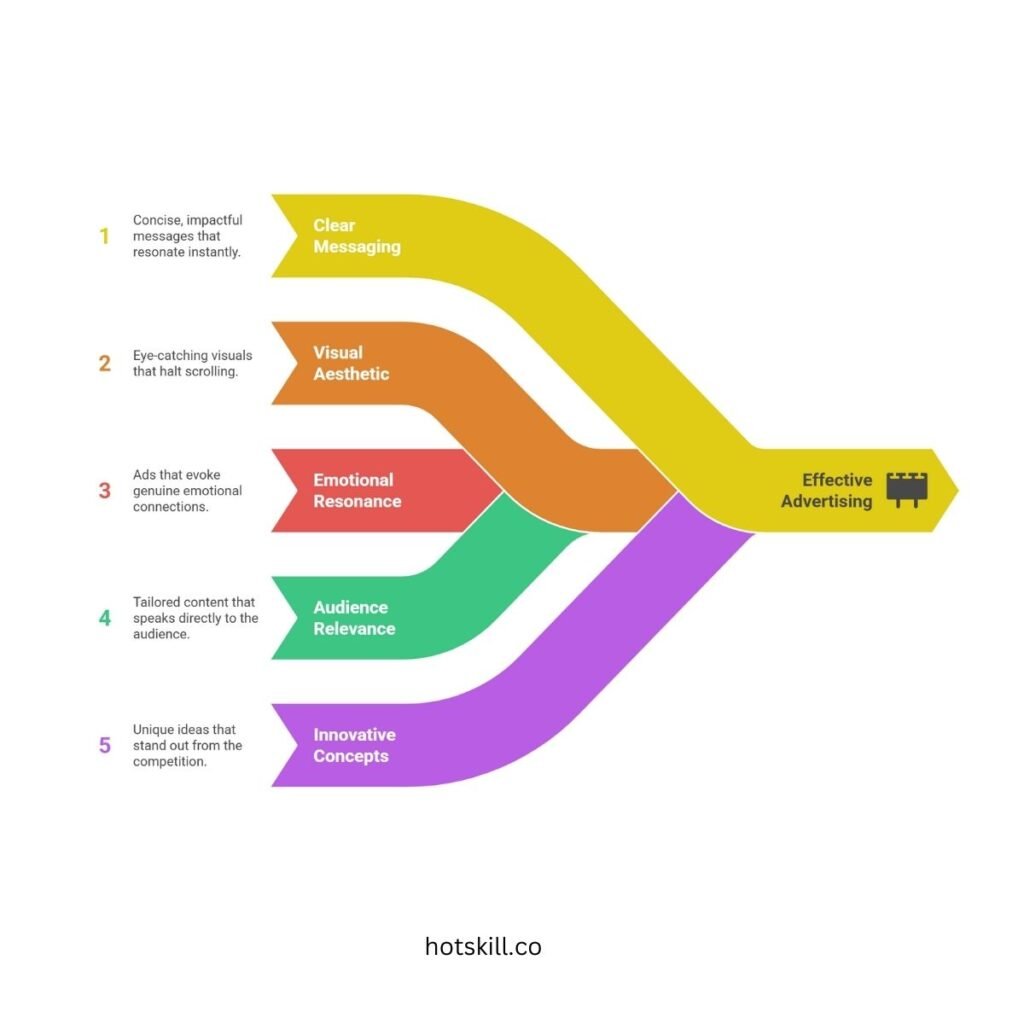
So what makes certain ones pop? Here’s what to look for:
- Clear, Compelling Messaging: You don’t get a paragraph. Sometimes, not even a full sentence. The message has to land fast and stick. Not clever. Clear. Like: “Made for Mondays.” Bang understood.
- Strong Visual Aesthetic: Does it have to be a masterpiece? No. It just has to stop the scroll. High contrast, sharp composition, colors that don’t fight each other, type that tells the eyes what to do next.
- Emotional Resonance: People remember what they feel. Fear. Joy. Longing. Relief. If you can tap an actual feeling (not just a feature), then you’re in business.
- Audience Relevance: A killer ad for one audience might flop with another. A TikTok joke won’t land with CFOs on LinkedIn. Top performing creatives feel made for the people they’re meant for.
- Fresh, Innovative Concepts: Safe is boring. Being just like your competition makes you invisible. Great creatives zig when others zag and that shake-up creates curiosity.
And look, this isn’t a wishlist. These elements are essential. Miss even one, and you risk being just another piece of background noise.
Once you’ve got the ingredients, you’ve got to decide how to deliver them.
Types of Top Performing Creatives
There’s no one-size-fits-all format. The best creative for TikTok probably won’t hold its weight in a conference hall or on a medical patient portal.
That’s why you need to know what kind of creative works for where and who.
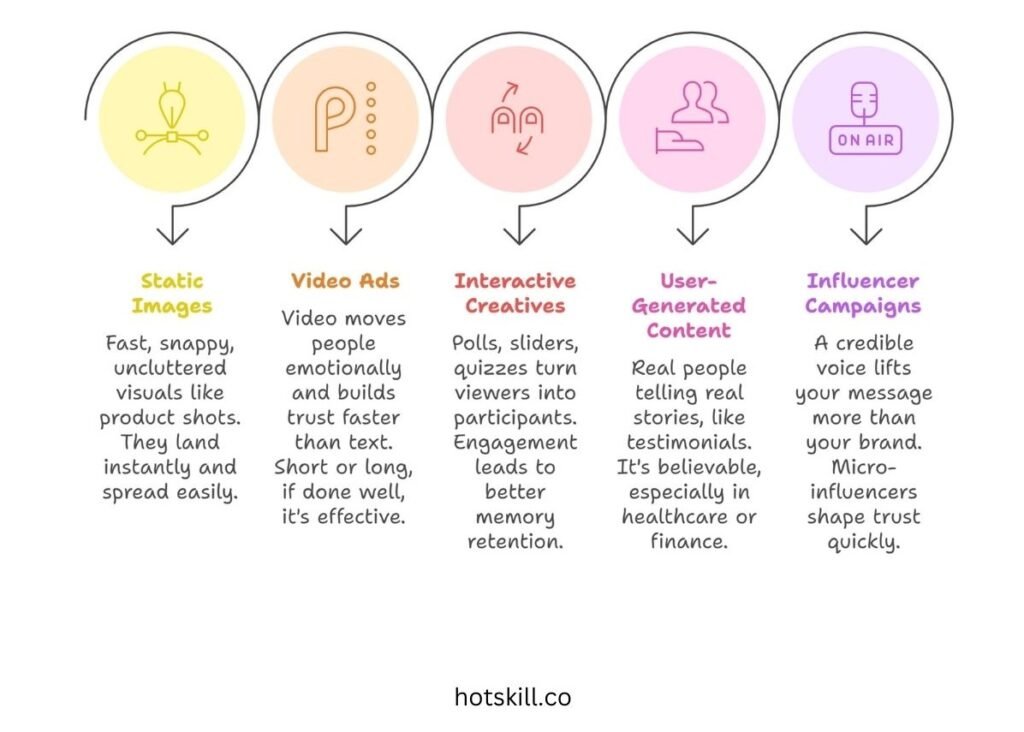
Here’s what’s consistently pulling weight:
- Static Images & Graphics: Fast, snappy, uncluttered. Think: product shots, side-by-sides, quote graphics, carousels. These land instantly and spread easily, especially when visuals and copy are in sync.
- Video Ads & Animations: Video moves people. It’s emotional. Personal. Whether it’s 10 snappy seconds or a two-minute explainer, if done well, it builds trust, deeper and faster than text ever could.
- Interactive Creatives: People don’t just watch they engage. Polls, sliders, quizzes, interactive demos. These turn passive viewers into participants. And guess what? Engagement leads to memory.
- User-Generated Content (UGC): Real people telling real stories. Think testimonials, photos from customers, unboxings, or patient stories. Sometimes it’s raw, sometimes unpolished but it’s believable. And in industries like healthcare or finance, that trust is gold.
- Influencer-Driven Campaigns: A credible voice can lift your message more than your brand ever could on its own. Especially when it’s someone your niche audience respects. Micro-influencers in education, tech, wellness they shape trust faster than polished brochures.
These aren’t just consumer tricks, either. We’ve seen onboarding demos work magic for B2B software, patient stories boost trust in healthcare providers, and behind-the-scenes snapshots build loyalty in nonprofits.
So yeah, creative format matters. But how do you know what’s actually performing?
How To Identify Top-Performing Creatives
This is where gut feelings won’t cut it. It has to be measurable.
Here’s how to actually know if your creative’s working or just eating up budget:
Track the Right KPIs
Likes are fun. Shares feel good. But what really matters depends on your goal:
- Click-through rate (CTR)
- Cost per acquisition (CPA)
- Engagement rate (likes + shares + comments divided by impressions)
- Conversion rate on pages tied to your creatives
- A/B Test Every Assumption: You *think* a red button works better? Test it. Long-form headline or short? Test it. Emotional vs. informative? Yep… test that too. Even tiny tweaks can flip performance.
- Analyze Feedback in Context: People usually tell you what they really think in comments (and sometimes they don’t hold back). Read for emotion. Are they in? Are they confused? Are they calling it out as fake?
- Lean on Analytics Tools: Tools like Google Analytics, Meta Ads Manager, and Hotjar show you what people clicked, where they bailed, how far they scrolled. It paints the picture the numbers alone don’t.
Bonus move: break down results by audience segment. That explainer video that nailed it with VPs? Might flop with entry-level staff. The point is, don’t crown a creative as top performing until you know *who* it performed for.
Ready for the fun part? Let’s peek at some real-world examples that crushed it.
Real-World Examples That Hit the Mark
We’ve all had that “Why didn’t we think of that?” moment.
Here are some campaigns that hit hard and why they worked:
Nike’s “Just Do It” with Colin Kaepernick
That black-and-white shot. The line: “Believe in something, even if it means sacrificing everything.” It wasn’t safe but it was unforgettable. Sales spiked, debates erupted, and Nike leaned even deeper into its purpose.
Spotify Wrapped
People wait for it all year. It’s your music journey, turned into a badge of identity. Genius. In other industries, similar models (like year-end dashboards) can build moments people actually look forward to.
Slack’s “Office Dinosaurs”
Smart, cheeky ads showing how it feels to be stuck in outdated workflows. The metaphor was playful, but the insight was razor-sharp.
Mayo Clinic’s Explainer Animations
Medical stuff is scary. Their use of simplified animations demystifies complex procedures. You feel more informed. Less anxious. That kind of trust? It’s priceless in healthcare.
These campaigns didn’t just entertain. They connected. And that’s never an accident.
Now let’s look at how *you* keep doing this again and again.
How to Create Top-Performing Creatives (On Repeat)
Flash-in-the-pan hits are fun. But let’s be honest consistent performance is what really matters.
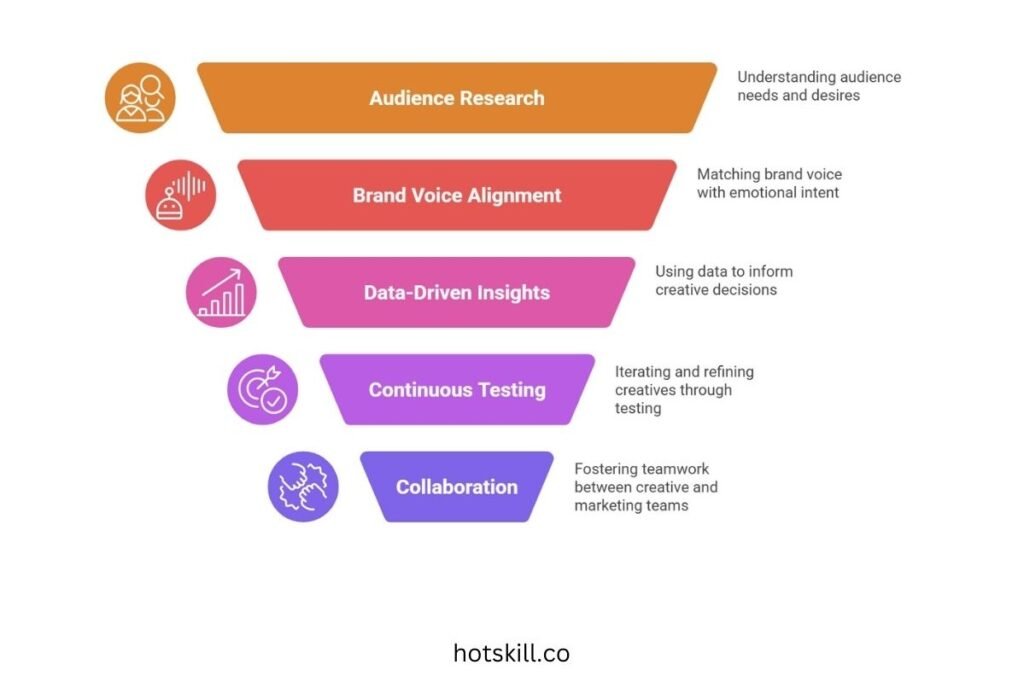
Here’s how you build a system for repeatable success:
Start With Deep Audience Research
Not just job title or age. What’s nagging at them? What makes them nervous in a meeting? What would they brag about at brunch? Use tools like SparkToro, social listening, even Reddit threads.
Match Brand Voice With Emotional Intent
Playful voice? Or do you need calm and credibility? A startup skincare brand and a cancer research foundation should not sound alike. Get this part wrong, and even pretty creatives flop.
Let the Data Steer (But Not Drive)
If the data keeps telling you short-form is winning, lean in. But don’t let numbers flatten creativity. Data builds fences. You still need fresh ideas running free within those lines.
Always. Be. Testing.
Think loops, not lines. Launch something rough. See what worked. Tighten the message. Try again. Teams that build like this don’t chase viral they build velocity over time.
Tear Down the Silos
Get your creative and marketing people in one room. Literally. The best ideas usually live at the intersection where strategy meets gut instinct.
Great creatives don’t sound like campaigns. They feel like conversations. Or answers to questions people didn’t know how to ask.
But there are traps. Big ones.
Common Mistakes That Kill Good Creatives
Even experienced teams fall into these way too often:
- Saying Too Much at Once: “We do this and this and oh also this!” Yeah, nobody’s reading that. Stick to one clear message per creative. Just one.
- Inconsistent Branding: If your logo changes color like it’s in costume, or your tone jumps from buttoned-up to bro, people won’t trust you. Consistency doesn’t mean boring—it means believable.
- Ignoring Mobile: Everyone’s on their phone. If your creative loads slow or the CTA is microscopic, you’re gone. Design for fingers, not desktops.
- Skipping the Test Phase: If you’re just vibing your way to a final version because “this feels right,” cool. But… you might be leaving thousands on the table.
Know the traps. Build guardrails to avoid them. And most of all—stay close to your audience.
Let’s wrap with the tools that can make all this a whole lot smoother.
Tools and Resources for Killer Creatives
You don’t need a warehouse full of gadgets. Just a smart, steady toolkit.
Here’s what we count on:
Design Tools
- Adobe (Photoshop, Illustrator, After Effects) for pro polish
- Canva for templates, brand kits, and quick teamwork
Video & Animation Platforms
- Animoto or InVideo for lightweight edits
- Loom or Vidyard for personalized explainers or intros
Analytics & Optimization
- Meta Ads Manager, Hotjar, Google Analytics for behavioral insights
- Optimizely for structured A/B tests
Creative Inspiration
- Dribbble and Behance to see what other creatives are cooking
- Pinterest to spot visual trends
- Ad Age, Ads of the World for campaign snapshots
AI Extras
- ChatGPT for brainstorming or first-copy passes
- DALL·E or Midjourney for concept visuals or standalone assets
Great tools can’t replace great thinking but they can absolutely supercharge it.
So where does that leave us?
Conclusion: The Future Escapes the Average
Top performing creatives aren’t about looking slick or sounding smart. They’re about stopping people mid-scroll and making them feel something. Enough to care. Enough to click. Enough to come back.
And moving forward, the people (and teams) who win won’t just be the ones with the best ideas. They’ll be the ones who move quickly, test often, and stay unshakably focused on who their message is for.
Personalization is getting sharper. AI is getting faster. But you still need the kind of creativity that knows how to hit where it counts.
That’s the opportunity. Build campaigns that feel less like marketing… and more like connection.