
Introduction
We’ve all been there hovering over the “Skip Ad” button with zero patience to spare. On YouTube, you have five seconds to make someone care. If your message doesn’t hit fast, it doesn’t hit at all.
With more than 2 billion monthly users, YouTube ads aren’t just another video platform, it’s the center of modern attention. But dropping a generic ad onto the platform and hoping for the best? That’s not a strategy; that’s wishful thinking.
If you want viewers to stick around and better yet, convert you must treat every frame like it matters. This guide breaks down exactly how to do that.
Understanding YouTube Ads
Before spending a dollar or writing a script, you need to understand the playing field. YouTube’s ad formats each serve different purposes, and choosing the wrong one can tank a perfectly good campaign.
A. Types of YouTube Ads
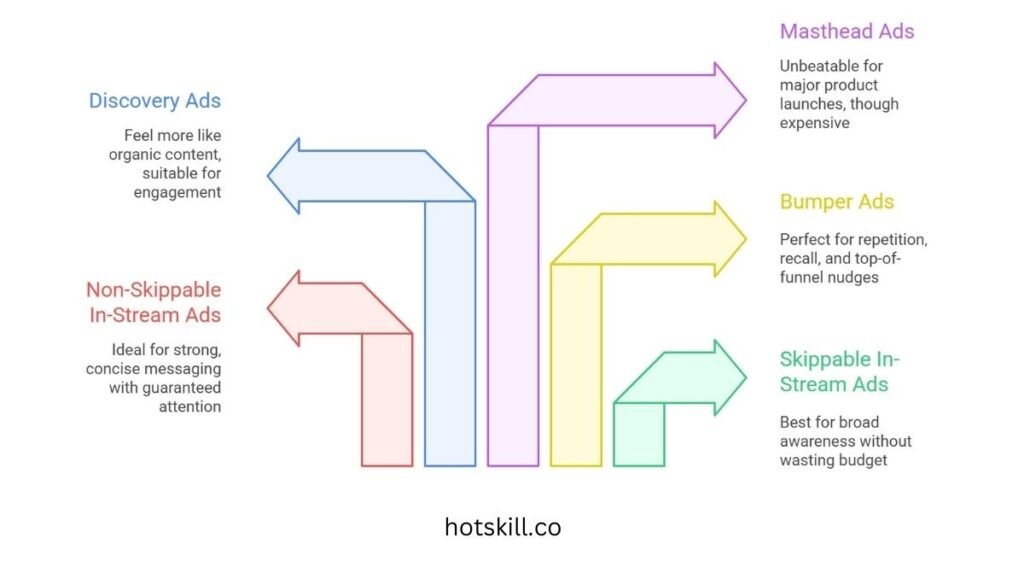
- Skippable In-Stream Ads
• Appear before, during, or after videos
• Skippable after 5 seconds
• Perfect for broad awareness without wasting budget - Non-Skippable In-Stream Ads
• 15–20 seconds of guaranteed attention
• Best for strong, concise messaging - Bumper Ads
• 6-second micro-ads
• Ideal for repetition, recall, and top-of-funnel nudges - Discovery Ads
• Show up alongside search results and on the YouTube homepage
• Feel more like organic content - Masthead Ads
• Featured at the top of the YouTube homepage
• Expensive but unbeatable for major product launches
B. Key Metrics to Track
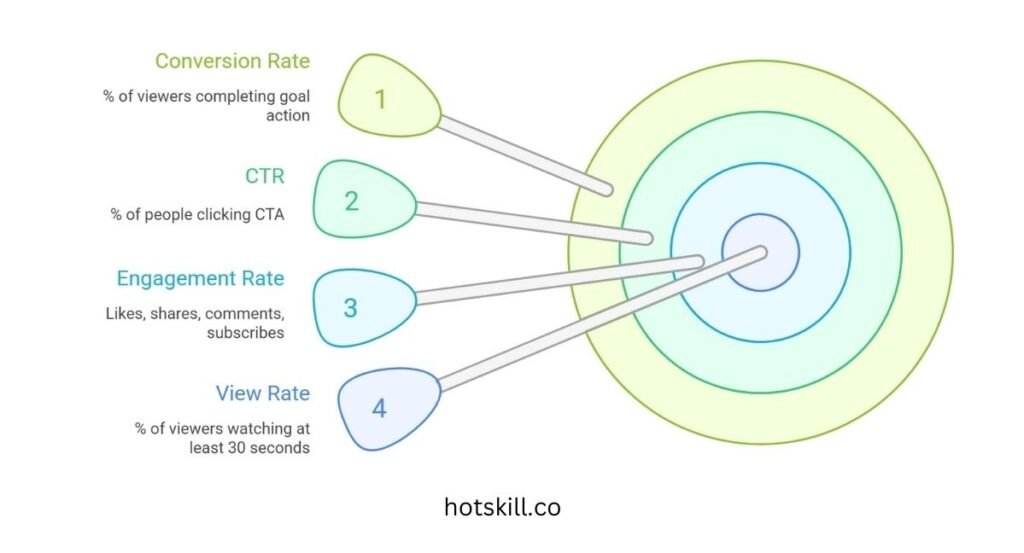
- View Rate: % of viewers who watch at least 30 seconds (or the full video if shorter)
- Engagement Rate: Likes, shares, comments, subscribes
- CTR (Click-Through Rate): % of people who clicked your CTA
- Conversion Rate: % of viewers who completed your goal action
Metrics aren’t suggestions they’re the backbone of your strategy.
Setting Clear Goals for Your YouTube Ads
Before filming or spending money, ask one question:
“What do we want to achieve?”
Skip the vague answers. Pick a measurable, strategic goal.
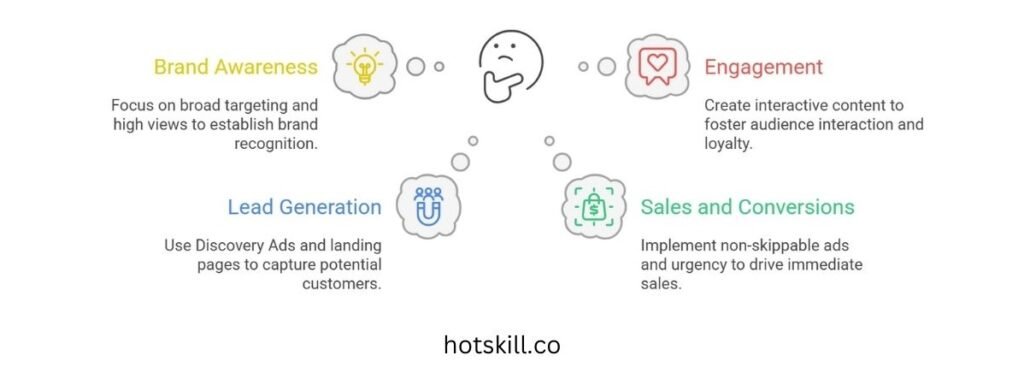
A. Brand Awareness
- Broad targeting
- High views, strong recall
- Great for new brands or initiatives
B. Lead Generation
- Pair Discovery Ads with value-driven landing pages
- Target search-based custom intent audiences
C. Sales and Conversions
- Non-skippables + strong offer + urgency
- Works well for flash sales, subscriptions, promotions
D. Engagement
- Polls, interactive endings, or cliffhanger creatives
- Perfect for entertainment, gaming, or storytelling brands
Goals drive everything creative, bidding, audiences, landing pages.
Targeting the Right Audience
A perfect ad shown to the wrong person is wasted money. Targeting determines ROI.
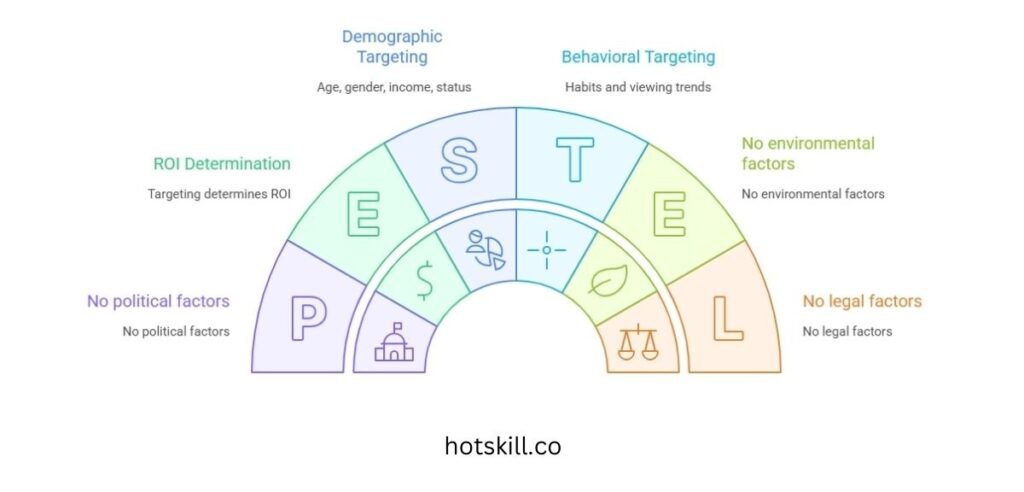
A. Demographic Targeting
- Age, gender, household income, parental status
- Narrow when the product demands it
B. Geographic Targeting
- Regions, cities, or radius targeting
- Critical for local service businesses
C. Interest & Behavioral Targeting
- Viewers’ habits and viewing trends
- Great for brands with well-defined niche audiences
D. Custom Intent Audiences
- Target users based on recent Google searches
- Extremely high intent
E. Remarketing Strategies
- Retarget website visitors, past viewers, cart abandoners
- Strongest performance for conversions
Creating Compelling and Relevant Ad Content
You don’t need to create ads people like you need ads they choose to watch.
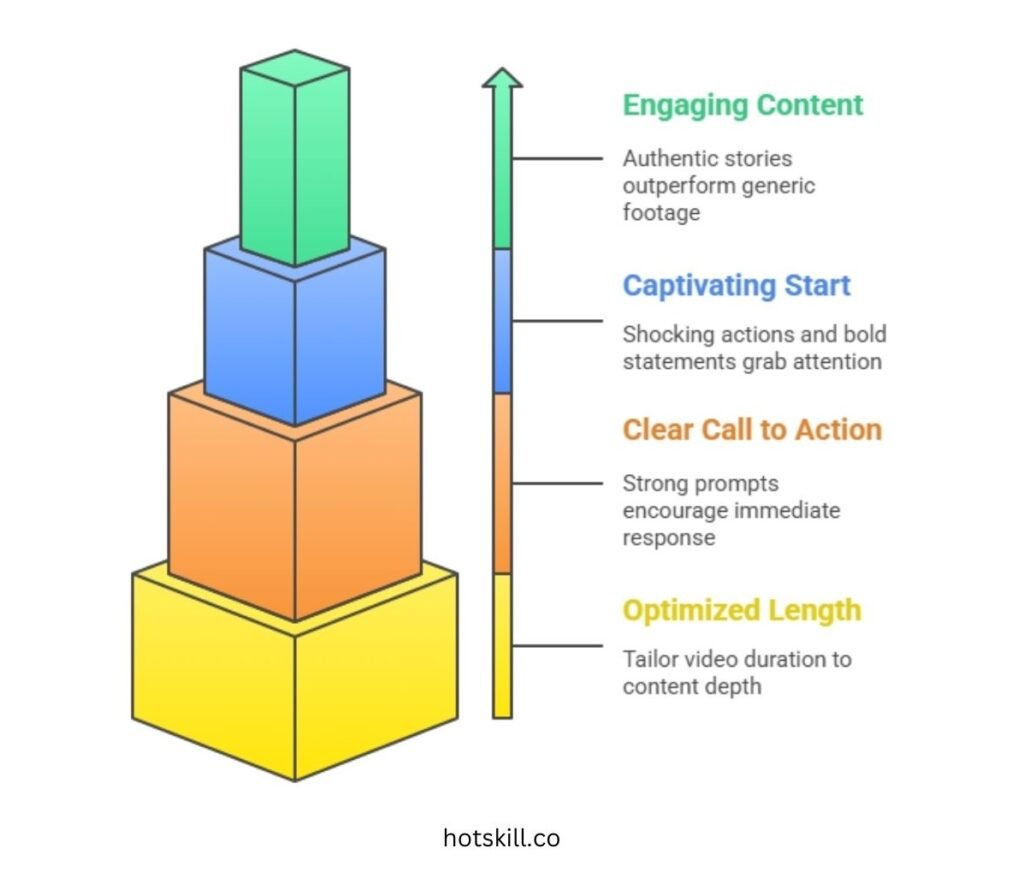
A. Craft Engaging Video Content
- Authentic > overly polished
- Real stories and real people outperform generic footage
B. Nail the First 5 Seconds
- Shocking actions
- Bold statements
- Intriguing visuals
C. Use Strong Calls to Action
Examples:
- “Start Your Free Trial”
- “Get Your Free Sample”
- “Book Your Demo Now”
D. Optimize Video Length
- 6s: Bumper
- 15–30s: Skippable In-Stream
- 60+ sec: Only when telling a deeper story
Optimizing Ad Bidding & Budget
Big spend ≠ big success. Smart spend = big success.
A. Choosing the Right Strategy
- CPV: Awareness
- Maximize Conversions: Automated efficiency
- Target CPA: Performance and predictability
B. Setting a Realistic Budget
Base your budget on LTV (Lifetime Value), not intuition.
C. Using Conversion Tracking
Track everything:
- Clicks
- Pages visited
- Actions completed
Data is useless unless you can see where behavior leads.
Utilizing YouTube Analytics for Improvement
Your first campaign is a draft. Your second is where you get dangerous.
A. Analyzing Viewer Behavior
- Drop-off timestamps
- Engagement spikes
- Audience retention
B. A/B Testing Ads
Test variations of:
- Hooks
- Visual styles
- CTAs
- Length
- Messaging
C. Adjusting Based on Performance
Iterate fast. Change what isn’t working. Amplify what is.
Enhancing Landing Pages for Better Conversion
Your job isn’t done when someone clicks. It’s just getting started.
A. Ensure Relevance
The page should match the promise made in the ad. No exceptions.
B. Mobile Optimization
Fast, clean, easy to use.
C. Fast Load Speed
Slow sites kill campaigns.
Aim for under 3 seconds.
Leveraging YouTube Ad Extensions & Features
Make YouTube work harder for you.
A. Call-to-Action Overlays
Inline clickable prompts for immediate action.
B. End Screens & Cards
Push additional videos, demos, or subscription options.
C. Interactive Elements
Polls, quizzes, and viewer choices boost engagement and shareability.
Best Practices & Common Mistakes
A. Follow YouTube’s Policies
Especially for medical, finance, legal, or claims-based ads.
B. Avoid Being Too Salesy
Authenticity beats pressure.
C. Balance Frequency & Reach
You want awareness not annoyance.
Conclusion
YouTube is massive and massively effective when you do it right.
The formula is simple:
- Target smart
- Create compelling content
- Track everything
- Improve continuously
A great YouTube ad strategy isn’t about luck, it’s about iteration.