

Ever left something in your cart without buying—shoes, concert tickets, a kitchen gadget—and then started seeing that exact product everywhere online? That’s not coincidence. That’s remarketing campaigns quietly doing its job.
Remarketing gives businesses a second chance. Instead of chasing cold audiences, you reconnect with people who already showed interest. They clicked. They browsed. Some almost bought. That makes remarketing one of the smartest ways to spend your ad budget.
When done right, it doesn’t feel intrusive. It feels timely.
Whether you sell handmade candles, run a SaaS startup, manage a dental practice, or promote travel packages, remarketing helps you re-engage people who are already close to converting.
This guide walks you through how to build remarketing campaigns that actually convert—from setup and segmentation to ad creation and optimization. When someone clicks away, it doesn’t have to be a loss. Sometimes, it’s just an unfinished story.
Understanding Remarketing
Remarketing is digital follow-up done right.
When a user visits your website or interacts with your content but doesn’t convert, tracking tools like cookies and pixels tag that behavior. You can then show relevant ads to that user later across platforms like Google, Facebook, Instagram, or YouTube.
Instead of shouting louder, remarketing speaks smarter.
Types of Remarketing
- Standard Remarketing
Shows reminder ads to previous visitors across websites and apps. - Dynamic Remarketing
Displays the exact products users viewed—often with updated pricing or offers. - Video Remarketing
Targets users who watched or interacted with your YouTube videos. - Email Remarketing
Behavior-triggered emails like abandoned cart reminders or restock alerts.
Each type supports a different stage of the customer journey. The magic happens when you combine them strategically.
Setting Up Remarketing Campaigns
Before running ads, you need the foundation right.
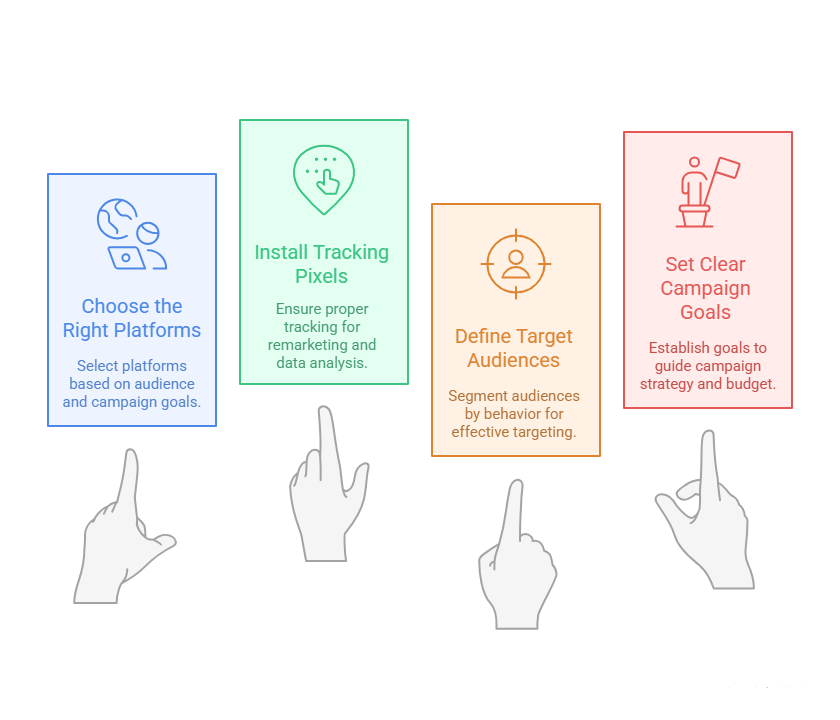
Choose the Right Platforms
- Google Ads – Great for Display Network, YouTube, and Gmail placements
- Meta (Facebook & Instagram) – Strong visual storytelling and social engagement
Depending on your audience, you can also explore TikTok, LinkedIn, or programmatic platforms.
Install Tracking Pixels Properly
No tracking = no remarketing.
- Google Ads: Install the Global Site Tag on all pages
- Meta: Add the Meta Pixel site-wide
- Email Tools: Ensure CRMs like HubSpot, Klaviyo, or Mailchimp track on-site behavior
Always verify tracking using Tag Assistant tools.
Define Target Audiences Clearly
Avoid generic targeting. Segment by behavior:
- Cart abandoners
- Product viewers
- Blog or video viewers
- Past customers
Behavior beats demographics every time.
Set Clear Campaign Goals
Decide what success looks like:
- Recover abandoned carts
- Upsell existing customers
- Convert free trial users
- Re-engage inactive customers
Clear goals shape everything—from copy to budget.
Designing a High-Converting Remarketing Strategy
Reminder ads alone won’t cut it. Strategy matters.
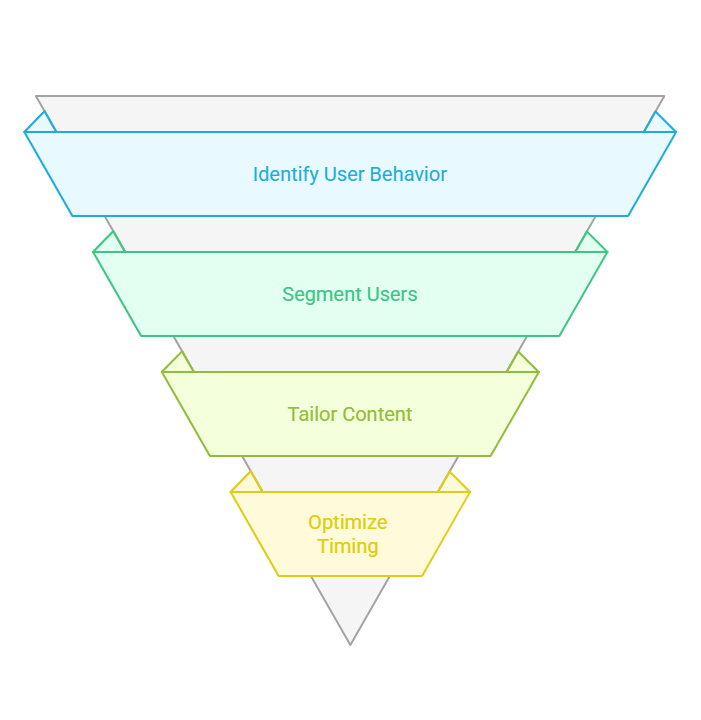
Smarter Segmentation = Better Conversions
Different users stopped for different reasons:
- Cart abandoners → Discounts, free shipping, urgency
- Product viewers → Social proof, stock alerts
- Content consumers → Free trials, demos, lead magnets
Always ask: What was their last action—and what would help them move forward?
Use Dynamic Content
Dynamic ads automatically show:
- Product name
- Image
- Price
- Availability
These ads feel personal because they are.
Timing & Frequency Matter
- Ideal remarketing window: 1–3 days after visit
- Avoid overexposure—set frequency caps
- Don’t chase users endlessly
Precision beats persistence.
Creating Remarketing Ads That Convert
Even great targeting fails with weak creatives.
What Makes a Strong Remarketing Ad
- Simple visuals – One product or clear benefit
- Human copy – “Still thinking about it?” works better than buzzwords
- One clear CTA – Shop Now, Book Demo, Get Discount
Example:
A user browses a knife set → sees the same set later with “$10 off + free shipping today.”
That’s smart remarketing.
Mix formats too—testimonials, demos, before-and-after visuals, or short videos.
Launching & Managing Campaigns
This is where results are won or lost.
Set Realistic Budgets
- High-intent audiences = higher spend
- Low-intent audiences = test with smaller budgets
Platforms like Google Smart Bidding can help optimize automatically.
Schedule Ads Strategically
- Ecommerce → evenings & weekends
- B2B → business hours
- Global campaigns → adjust by time zone
Timing influences conversions more than most people realize.
Monitor & Optimize Continuously
Watch:
- Cost per acquisition (CPA)
- Return on ad spend (ROAS)
- Click-through rate (CTR)
- Conversion rate
High CTR + low conversions usually means landing page issues—not ad problems.
Measuring Success & Optimization
Remarketing without tracking is guessing.
Key Metrics to Track
- CTR – Is the ad compelling?
- Conversion rate – Are clicks turning into actions?
- Impression share – Are you showing enough?
- ROI – Are you profitable?
A/B Test Everything
Test variations of:
- Headlines
- Offers
- CTAs
- Visuals
- Audience segments
Small tweaks often unlock big performance gains.
Scale What Works, Kill What Doesn’t
Pause poor performers. Double down on winners. Refresh creatives monthly.
What works today may not work next quarter—stay agile.
Common Remarketing Mistakes to Avoid
Avoid these performance killers:
- Ad fatigue – Too many impressions annoy users
- Generic targeting – Same ad for everyone = weak results
- Ignoring mobile – Slow pages kill conversions
- Not excluding converters – Don’t retarget buyers with purchase ads
Remarketing should feel helpful—not desperate.
Advanced Remarketing Tips
Once the basics work, level up.
- Combine email + ads for abandoned carts
- Upload high-value customer lists
- Build Lookalike audiences
- Use AI-driven smart campaigns
Try sequential remarketing:
- Social proof
- Product demo
- Time-bound offer
Storytelling converts better than single ads.
Conclusion
Remarketing isn’t repetition—it’s relevance.
When done right, it feels like a thoughtful reminder, not an interruption.
Remember:
- Segment by behavior, not demographics
- Personalize without being creepy
- Track relentlessly
- Test constantly
Your best prospects already know you.