

In today’s fast-paced digital economy, a Career in Product Marketing offers exciting opportunities to combine creativity, analytical thinking, and strategic planning. As businesses compete to differentiate their products and services, product marketers have become indispensable. But what does it take to thrive in this dynamic field? This article breaks down the essential skills you need to build a successful career, from strategic mindset to interpersonal effectiveness, and offers actionable insights to help you grow professionally.
Introduction: The Evolving Landscape of Product Marketing
Product marketing sits at the intersection of product development, sales, and customer engagement. It’s a role that involves understanding customer needs, crafting compelling messaging, launching products, and guiding internal teams toward delivering value. With product-led growth models becoming the norm and customer expectations rising, employers are looking for professionals who bring a blend of analytical rigor, creativity, and strategic thinking.
In this comprehensive guide, we’ll explore the core competencies that define top-performing product marketers and provide guidance on how to develop these skills for long-term success.
Strategic Thinking and Market Insight
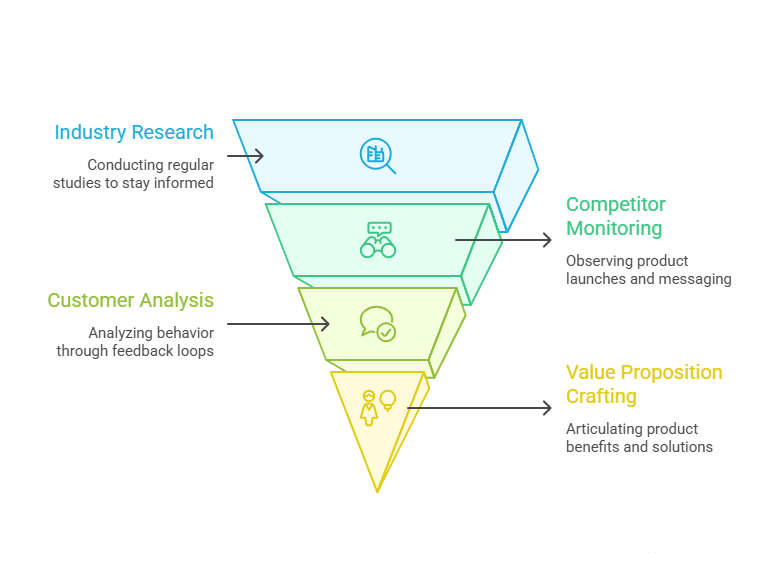
Understanding Market Dynamics
A foundational skill in product marketing is the ability to interpret market trends and competitor strategies. Strategic thinking allows you to evaluate opportunities, anticipate challenges, and position your product effectively.
To develop this skill:
- Conduct industry research regularly.
- Monitor competitor product launches and messaging.
- Analyze customer behavior through surveys and feedback loops.
Creating Value Propositions
Crafting a compelling value proposition is more than a marketing task—it’s a strategic one. You must be able to articulate why your product matters and how it solves a problem better than alternatives.
Actionable tip:
- Practice writing clear, concise value statements for different customer personas.
Customer Empathy and Audience Segmentation
Deep Customer Understanding
Product marketers must understand not just who their customers are, but why they make decisions. This requires empathy—the ability to put yourself in the customer’s shoes and understand their motivations, frustrations, and aspirations.
Tools to build this skill:
- Customer interviews and focus groups
- User journey mapping
- Behavioral analytics platforms
Effective Audience Segmentation
Segmenting your audience helps tailor messaging and campaigns for specific groups. A product marketer should know how to divide a broad audience into actionable segments based on demographics, behaviors, and needs.
Pro tip:
- Use tools like CRM systems and analytics dashboards to identify segment patterns.
Compelling Messaging and Content Skills
Crafting Persuasive Messaging
At the heart of product marketing is storytelling. You need to convey complex product features in simple, engaging ways that resonate with your audience.
Key components of strong messaging:
- Clear explanation of benefits
- Alignment with customer pain points
- Differentiation from competitors
Content Creation Mastery
While not all product marketers are content creators, strong writing and communication skills are crucial. Whether it’s creating product briefs, website copy, or launch emails, your ability to communicate clearly and persuasively matters.
Exercise:
- Practice writing headlines and value propositions for your product.
- Get feedback from peers and revise to improve clarity and impact.
Data Literacy and Analytical Skills
Interpreting Data to Inform Decisions
Data is the backbone of sound product marketing strategy. From understanding user engagement metrics to evaluating campaign performance, analytical skills enable you to make evidence-based decisions.
Important metrics to master:
- Customer acquisition cost (CAC)
- Conversion rates
- Churn and retention rates
- Product usage patterns
Leveraging Tools and Technologies
Product marketers should be comfortable working with tools that help collect and interpret data. Familiarity with analytics and marketing tech stacks enhances efficiency and insight generation.
Tools to learn:
- Google Analytics
- Business intelligence platforms (e.g., Tableau, Power BI)
- A/B testing tools
Cross-functional Collaboration
Working with Product Teams
Product marketers act as the bridge between product management and go-to-market functions. This means understanding technical details and translating them into market-ready messaging.
Best practices:
- Attend product development meetings regularly.
- Ask clarifying questions to ensure accurate representation of features.
Partnering with Sales and Customer Success
Activation of product marketing often depends on alignment with sales and customer success teams. Marketers must equip these teams with the right tools, messaging, and training to drive conversions.
Actionable advice:
- Create sales enablement materials like battle cards and pitch scripts.
- Host regular alignment sessions to share insights and updates.
Project Management and Execution
Planning and Prioritization
Product launches and campaigns involve many moving parts. Strong project management skills ensure tasks are completed on time and within scope.
Techniques to adopt:
- Use project management tools like Asana or Trello.
- Build and share detailed launch roadmaps.
Execution and Iteration
Execution prowess comes from discipline and adaptability. You must be comfortable launching, monitoring outcomes, and iterating based on real-world feedback.
Tip:
- Conduct post-launch reviews to identify lessons learned and improve future processes.
Technical Acumen and Digital Fluency
Understanding the Product
In many industries, especially tech, understanding the product on a technical level empowers marketers to communicate its value accurately and confidently.
How to build technical knowledge:
- Participate in product demos
- Take online courses relevant to your industry
- Read technical documentation
Digital Marketing Competence
Digital channels are critical for product marketing success. Skills in SEO, SEM, email marketing, social media strategy, and paid advertising help amplify your message and reach target audiences effectively.
Action step:
- Enroll in digital marketing certification programs.
- Experiment with different channels and analyze performance.
Adaptability and Continuous Learning
Staying Ahead of Industry Trends
The marketing landscape evolves rapidly. New tools, platforms, and customer behaviors emerge constantly. Product marketers must be lifelong learners.
Ways to stay updated:
- Follow industry thought leaders on LinkedIn and Twitter
- Attend webinars, conferences, and workshops
- Join professional communities
Becoming Comfortable with Change
Adaptability means embracing change and being resilient when strategies need adjusting. Whether it’s a sudden market shift or product pivot, agility is a defining trait of successful product marketers.
Leadership and Influencing Skills
Leading Without Authority
Product marketers often influence stakeholders across the organization without direct reporting lines. This requires persuasive communication and the ability to build trust.
Communication tips:
- Present data-backed recommendations
- Practice active listening during discussions
Coaching and Mentorship
As you advance, mentoring junior colleagues and contributing to team growth becomes part of your leadership role. This fosters a collaborative environment and strengthens the entire marketing function.
Ethics and Customer-Centricity
Prioritizing Customer Trust
Trust is a cornerstone of sustainable growth. Ethical marketing practices—like transparent communication and responsible data use—build long-term credibility with customers.
Principles to uphold:
- Respect customer privacy
- Avoid misleading claims
- Deliver on promises
Embedding Customer-Centric Values
A successful product marketer consistently advocates for the customer’s voice in every decision. This ensures product positioning and messaging align with genuine user needs.
Actionable Roadmap to Build These Skills
To grow in your Career in Product Marketing, consider the following roadmap:
- Foundational Learning
- Take courses in marketing fundamentals, analytics, and strategy.
- Read books and articles on product marketing best practices.
- Hands-On Experience
- Volunteer for cross-functional projects.
- Take ownership of small product launch tasks.
- Skill Reinforcement
- Join marketing communities and seek feedback from peers.
- Attend industry events to expand your network.
- Mentorship and Feedback
- Find a mentor in product marketing.
- Ask for regular performance feedback to improve.
- Continuous Improvement
- Set quarterly goals for skill development.
- Track progress and adjust learning plans as needed.
Conclusion: Build, Learn, Evolve
A Career in Product Marketing is both challenging and rewarding. It demands a unique mix of analytical rigor, creative thinking, and customer empathy. Whether you’re just starting out or aiming for leadership, developing these key skills will set you up for success.
Remember: product marketing is dynamic—embrace change, keep learning, and continuously refine your craft. With the right skills and mindset, you’ll not only support successful product launches but also drive meaningful growth for your organization and customers.