
Introduction
In the modern digital era, small businesses face unprecedented opportunities to grow, engage with customers, and build strong brand identities. One of the most powerful tools available to them is social media marketing. For many entrepreneurs, social media is not just a trend; it’s a strategic asset that can transform how they reach and communicate with their audiences. This article explores the multifaceted Advantages of Social Media marketing for small businesses, offering a comprehensive, engaging, and actionable guide to harnessing this vital digital resource.
Social media platforms have evolved from simple networking sites into complex ecosystems where commerce, conversation, and community intersect. In this expansive article, we will delve into how small businesses can leverage these platforms to compete with large corporations, build loyal customer bases, and drive sustained growth. Whether you’re a startup owner exploring marketing strategies for the first time or a seasoned entrepreneur seeking to refine your approach, this article will equip you with insights and practical advice.
Understanding Social Media Marketing
Before diving into specific benefits, it’s essential to establish a clear understanding of what social media marketing entails. Social media marketing refers to the use of platforms like Facebook, Instagram, Twitter, LinkedIn, TikTok, Pinterest, and YouTube to create and share content that promotes a brand, product, or service. Unlike traditional advertising, social media marketing encourages two-way communication with users, enabling businesses to not just broadcast messages, but also engage in meaningful dialogue with their audience.
For small businesses, this shift from broadcasting to engagement offers a unique opportunity to build relationships and nurture brand loyalty. These platforms offer analytics, targeted advertising options, and creative content formats that can be tailored to virtually any business niche or audience demographic.
Cost-Effective Brand Exposure
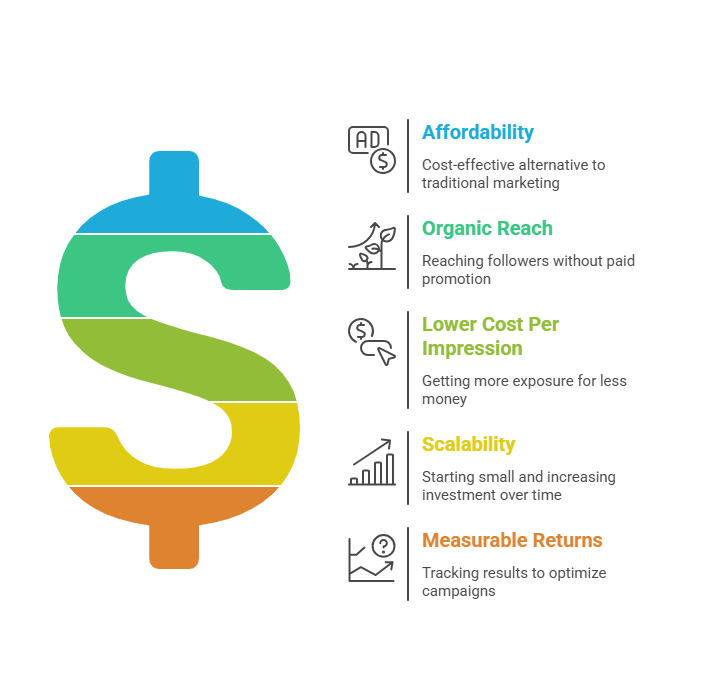
One of the most compelling Advantages of Social Media for small businesses is its affordability compared to traditional marketing channels. Small business owners often operate within tight budgets, and investing in television commercials, print ads, or billboards can be prohibitively expensive. Social media offers a cost-effective alternative that can generate significant visibility without draining financial resources.
With organic posts, businesses can reach followers and potential customers without paying for exposure. Even when investing in paid promotions, the cost per impression or engagement is generally lower than traditional advertising. Moreover, businesses can start small—experimenting with small ad spends to test audience response and optimize campaigns over time. This scalability allows for calculated investment and continuous improvement, ensuring that every dollar spent contributes toward measurable returns.
Building Genuine Customer Relationships
Unlike one-way advertising, social media marketing encourages interaction. Customers can comment on posts, share their opinions, ask questions, and even provide feedback directly to the brand. This dynamic interaction fosters authentic relationships and helps small businesses create a loyal community around their products or services.
Responding promptly to customer inquiries or comments humanizes a brand and builds trust. For many small businesses, this level of personal interaction is what differentiates them from larger competitors that struggle to maintain such responsiveness. Moreover, social media allows businesses to monitor conversations about their brand and industry, providing invaluable insights into customer sentiment and preferences.
Increased Website Traffic and Lead Generation
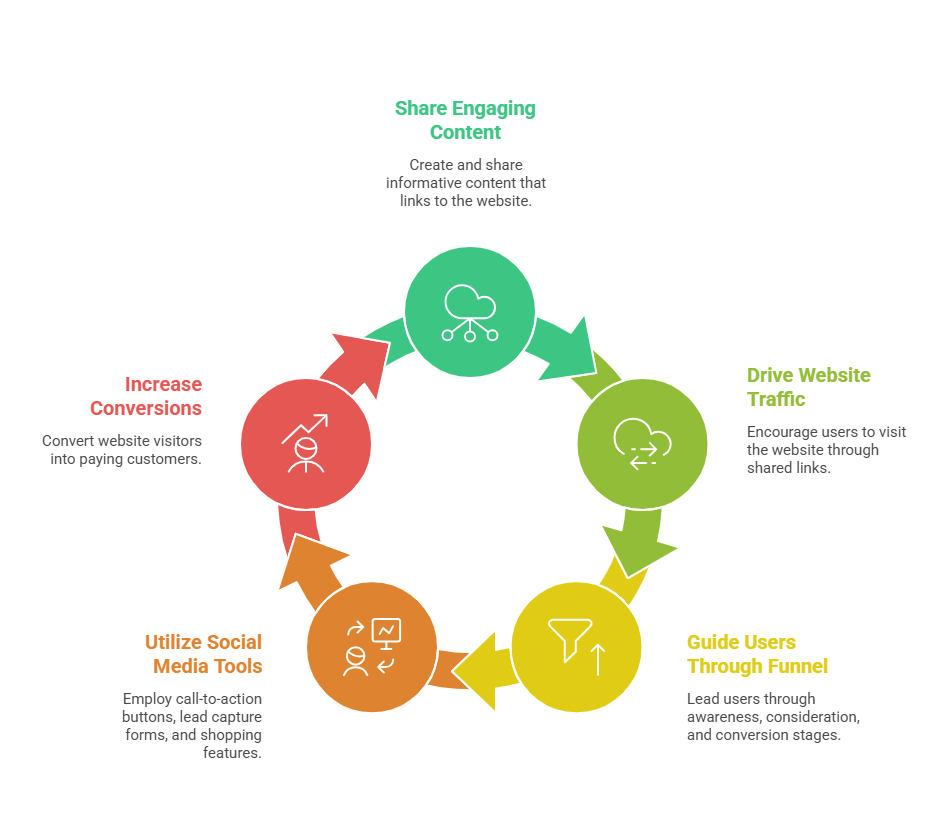
An active social media presence can directly impact your website traffic and lead generation efforts. When small businesses share informative, engaging content that links back to their website, they encourage users to visit and explore further. This can include blog posts, product pages, customer testimonials, and promotional offers.
Through strategic content planning, businesses can guide users through the marketing funnel—from awareness to consideration and finally, conversion. Social media platforms also offer tools such as call-to-action buttons, lead capture forms, and shopping features that streamline the customer journey. By integrating social media with your broader marketing ecosystem, you not only attract more visitors to your site but also increase the likelihood of converting these visitors into customers.
Enhanced Brand Awareness and Recognition
For small businesses, building brand awareness is an ongoing challenge. Social media platforms provide an unparalleled opportunity to introduce your brand to new audiences and reinforce recognition among existing followers. Every post, story, video, or live session contributes to building a consistent brand identity.
Visual platforms such as Instagram, TikTok, and Pinterest allow businesses to showcase their brand aesthetics, demonstrate products in action, and share behind-the-scenes stories. Meanwhile, platforms like LinkedIn enable thought leadership and professional positioning. Across all these channels, consistent messaging and visual identity help embed your brand in the minds of your audience.
Access to Targeted Advertising
Another critical advantage that social media marketing offers small businesses is highly targeted advertising. Platforms like Facebook and Instagram allow businesses to define precise audience segments based on demographics, interests, behaviors, location, and online activities. This level of targeting ensures that your promotional content reaches the audiences most likely to engage with your business.
Instead of broadcasting your message to a broad, undefined population, you can choose to deliver ads to users who match your ideal customer profile. This reduces wasted ad spend and increases the likelihood of generating meaningful engagements and conversions. Whether you’re promoting a local offer or launching a new product nationwide, targeted social media ads allow you to optimize your strategy and achieve better results.
Real-Time Performance Tracking
Unlike many traditional marketing strategies, social media platforms provide robust analytics in real time. Businesses can measure the performance of their posts, ads, and overall account engagement. Metrics such as reach, impressions, engagement rate, click-through rate, and conversions help gauge whether your strategy is working—and where adjustments might be needed.
This immediate feedback loop empowers small businesses to be nimble and data-driven. If a particular campaign isn’t generating the desired engagement, you can tweak the messaging, visuals, or audience targeting in response. This continuous optimization cycle maximizes your return on investment and ensures that marketing efforts evolve with audience preferences and platform trends.
Amplifying Word-of-Mouth and Referrals
Word-of-mouth marketing has long been one of the most powerful drivers of customer acquisition. Social media amplifies this effect exponentially. When customers engage with your content—liking, commenting, or sharing—they extend your reach through their own networks. This organic sharing spreads brand awareness far beyond your immediate follower base.
Social proof, such as customer reviews, testimonials, and user-generated content, plays a significant role in influencing purchase decisions. Positive experiences shared by real customers build trust and credibility, often more effectively than direct promotional messaging. Small businesses that actively highlight customer stories and encourage user-generated content can tap into this powerful referral mechanism.
Supporting Customer Service and Feedback
In today’s fast-paced digital world, customers expect quick responses and seamless service. Social media platforms have become extensions of customer support channels, where users can ask questions, raise concerns, and seek assistance. Small businesses that integrate customer service into their social media strategy demonstrate both accessibility and responsiveness.
Timely and helpful responses to customer inquiries not only improve satisfaction but also showcase brand commitment to service excellence. Negative feedback, when handled professionally, can also be turned into an opportunity to demonstrate transparency and accountability. The public nature of social media interactions means that thoughtful customer service can significantly influence brand perception.
Fostering Creativity and Innovation
Social media thrives on creativity. Whether it’s short-form videos, interactive stories, behind-the-scenes content, or educational posts, these platforms encourage experimentation with diverse content formats. This environment fosters innovation, enabling small businesses to test different creative approaches and discover what resonates best with their audience.
Content that tells a compelling story, evokes emotions, or entertains can set a small business apart from competitors. Social media’s emphasis on visual and interactive content opens the door to imaginative campaigns that capture attention and build emotional connections with customers. By embracing creative content strategies, businesses can strengthen brand identity and increase memorability.
Staying Competitive in the Digital Marketplace
In the digital age, consumers increasingly turn to online platforms to discover brands, products, and services. Small businesses that do not maintain an active social media presence risk falling behind competitors who do. Social media is no longer optional; it is a fundamental component of a comprehensive marketing strategy.
By consistently engaging with audiences online, small businesses can stay top-of-mind and relevant. Regular content updates, interactive campaigns, and community engagement foster a dynamic online presence that attracts both existing and potential customers. This active presence enhances competitiveness and positions the business for long-term relevance.
Driving Local Engagement and Community Connection
For small businesses serving specific geographic areas, social media offers powerful tools to connect with local communities. Platforms like Facebook and Instagram allow businesses to tailor content for local audiences, promote events, and highlight community involvement. This local focus strengthens relationships with nearby customers and enhances loyalty.
Participating in local conversations, sharing stories about community involvement, or supporting local causes can deepen customer trust and create a sense of shared identity. In an age where consumers increasingly value authenticity and social responsibility, local engagement on social media builds meaningful connections that resonate beyond the transactional.
Measuring Long-Term Impact and Growth
The impact of social media marketing extends beyond immediate sales or followers. It plays a crucial role in long-term brand positioning, customer loyalty, and business growth. Regularly analyzing trends, engagement patterns, and audience feedback provides valuable insights that influence broader business decisions.
Small businesses can leverage this insight to refine product offerings, tailor services, or adapt to changing market demands. Moreover, the cumulative effect of consistent social media presence fosters a robust digital footprint that enhances discoverability across search engines and social platforms alike.
Conclusion
In today’s dynamic digital landscape, the advantages of social media marketing for small businesses are both profound and far-reaching. From cost-effective brand building and targeted advertising to improved customer engagement and data-driven decision-making, social media empowers small businesses to grow strategically and compete confidently. Whether you are seeking to increase brand visibility, connect with your audience, or drive conversions, integrating social media into your marketing strategy is no longer optional—it’s essential.
As platforms evolve and consumer behaviors shift, small businesses that embrace social media with creativity, consistency, and strategic intent will be well-positioned for success. Social media marketing isn’t just about posting content—it’s about building relationships, nurturing trust, and creating meaningful experiences that drive business growth. Harnessing the full potential of social media means not just being present online, but actively engaging, learning, and adapting to the ever-changing digital world. By doing so, small businesses can unlock new opportunities, foster deeper connections, and achieve sustainable growth in an increasingly connected marketplace.