

You’ve built something great a product or service that solves a real problem or gives people that “finally” feeling. You’ve got the goods and a bit of budget to get the word out. But here’s the big question:
Who exactly are you talking to?
Because shouting into the Internet void, even with a clever video or viral-worthy carousel, won’t get you far. But speaking directly to the people who already want what you offer?
That’s where the magic happens.
Defining your target audience isn’t a boring marketing exercise. It’s the backbone of campaigns that convert, content that resonates, and businesses that grow sustainably.
This is about connection. Real connection.
Let’s break it down—step by step.
What Is a Target Audience—and Why Should You Care?
A target audience is the specific group of people most likely to want what you offer.
Not “everyone.” Not “people on the internet.” The right people.
Think of it like this:
- Your target market is the whole stadium.
- Your target audience?
That’s the front-row fans you high-five on your way in.
When you find those people:
- Your copy hits deeper
- Your visuals feel familiar
- Your numbers climb (quietly and quickly)
- Your product just makes sense to them
Because now you’re not guessing—you’re speaking their language.
How to Define Your Target Audience (Step-by-Step)
Step 1: Start With Your Product or Service
Before you analyze audiences, analyze yourself.
Ask:
- What problem does this solve?
- Who feels that pain the most?
- What lifestyle or goal does it support?
- What transformation does it actually deliver?
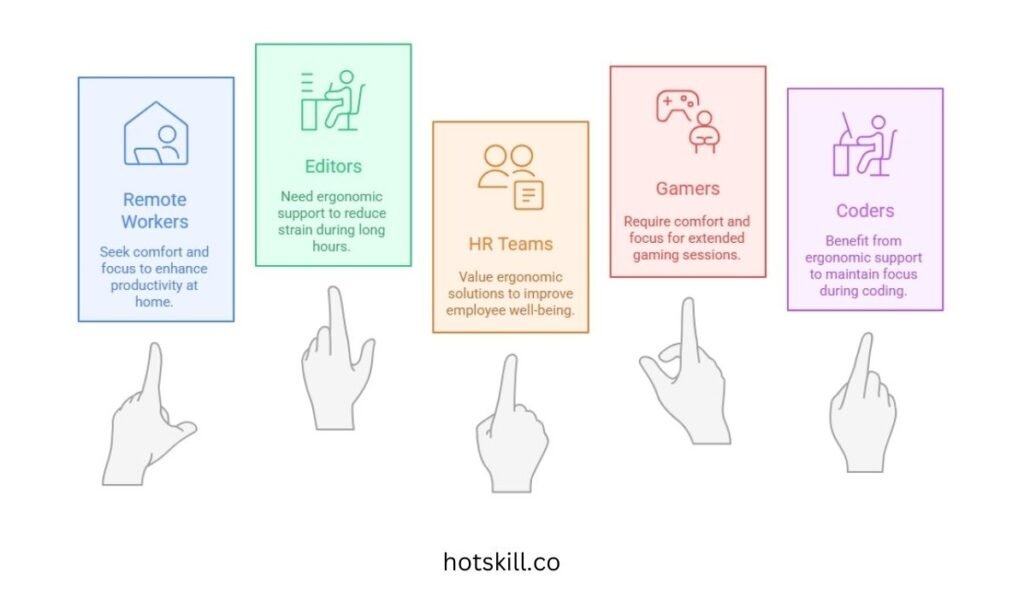
Take an ergonomic chair.
Sure, it’s furniture. But the real benefit?
Less back pain, more comfort, better focus.
Who wants that?
Remote workers, editors, HR teams, gamers, coders—each for different reasons.
Write down:
Feature → Benefit → Who values this benefit the most?
Do this for every feature. The patterns will surprise you.
💡 Example:
Selling adjustable dumbbells? Your audience isn’t “people who exercise.”
It’s:
Time-strapped young professionals who want a compact, no-fuss home workout setup.
Now you’re dialed in.
Step 2: Get Data—Real, Unfiltered Market Research
This is where most brands skip steps. Don’t.
Great audience definitions come from listening, not guessing.
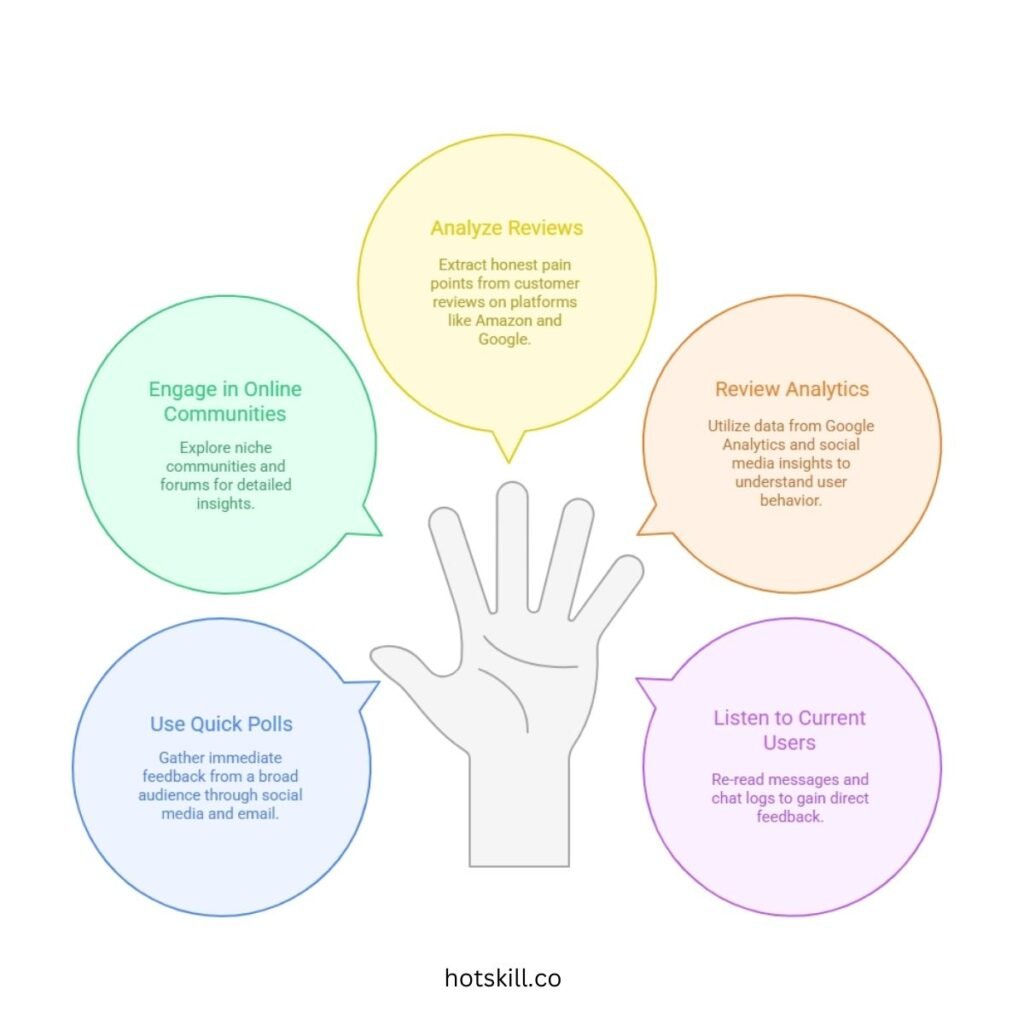
Use:
- Quick Instagram or email polls
- Reddit threads, niche communities, and Facebook groups
- Amazon, Google, or app reviews—goldmines of honest pain points
- Pew Research, Statista, government reports
- Competitor comment sections
- Google Analytics, IG/FB Insights, YouTube Analytics
Your current users are also holding pure gold.
Re-read their messages, DMs, emails, and chat logs.
📊 Example:
Nike tracks user behavior through its running app—habits, injuries, preferred run times—and shapes campaigns around what runners actually do, not internal assumptions.
In healthcare, good audience research isn’t demographic—it’s empathetic.
Understand lifestyles, fears, motivations.
Speak to that.
Step 3: Segment Like a Pro
Segmentation makes vague audiences specific—and specifically reachable.
Break your users into meaningful groups using:
1. Demographics
Age, gender, income, education, marital status.
2. Geographics
Country, city, climate, population density.
3. Psychographics
Values, beliefs, lifestyle, interests, aspirations.
4. Behavioral
Buying habits, loyalty, engagement, stage of awareness.
5. Firmographics (B2B)
Industry, company size, budget, job role.Mix them.
Don’t aim for “everyone who shops online.”
Aim for:
Eco-conscious Gen Z freelancers who shop via mobile and value sustainability.
Now your message actually lands.
💡 Example:
Selling compliance tech? It’s not “law firms.”
It’s: Mid-sized West Coast firms dealing with merger disclosures and drowning in manual workflows.
Specific → Effective.
Step 4: Build Buyer Personas That Feel Real
Bring your segments to life.
Each persona should include:
- Name
- Age
- Job title
- Pain points
- Goals and motivations
- Daily habits
- How and where they consume content
- What influences their purchase decisions
Make them human.
Make them relatable.
Make them someone you could text.
🎯 Example Persona:
Side-Hustle Sarah (32)
Etsy shop owner. Hates tax season. Wants automated bookkeeping that doesn’t feel overwhelming.
When you write an ad, write to Sarah, not “small business owners.”
In education?
Maybe you’re targeting Career-Change Carlos, 40, laid off, desperate to enter tech fast without formal degrees.
Personas shape everything—product, branding, content, pricing.
Step 5: Validate Your Audience With Real Testing
Even with the best research, you can be wrong. That’s the point.
Testing helps you refine.
Test:
- Headlines
- Ad angles
- Audiences
- Offers
- Visual styles
- Demographic groups
- Platforms
Look for patterns in:
- CTR
- Conversion cost
- Retention
- Repeat visits
- DMs and comments
📈 Example:
A fintech tested campaigns for college students vs. new full-time employees.
Result?
Recent grads converted faster and stayed longer.
They pivoted—and retention increased by 25%.
Testing = truth.
Tools That Make Targeting Easier (and Smarter)
- Google Analytics – Audience behavior + pathways
- Meta Business Suite – Demographics + engagement
- HubSpot / Salesforce – CRM-driven segmentation
- SurveyMonkey, Typeform – Direct feedback
- Ahrefs / SEMrush – Keyword + audience intent
- Shopify + Klaviyo – Ecommerce segmentation
- Brandwatch / Mention – Social listening
Each tool helps you understand what your audience thinks, wants, and does.
Avoid These Audience-Definition Traps
❌ Going too broad
“Young professionals” is not a target audience.
It’s a population.
❌ Going too narrow
“Left-handed nurses named Barbara” won’t scale.
❌ Assuming instead of validating
Your opinion ≠ reality.
❌ Ignoring audience evolution
People change. Quickly.
Your audience definition should, too.
During the pandemic, millions went from “I hate home workouts” to “my living room is now a gym.”
Brands that adapted thrived.
The rest… faded.
The Benefits of a Perfectly Defined Audience
When you know exactly who you’re serving:
✔ Copy becomes easier
✔ Visuals click instantly
✔ Campaign performance improves
✔ Ad spend gets efficient
✔ Product decisions sharpen
✔ Loyalty deepens
✔ Revenue grows faster
🏆 Case Study:
A cybersecurity company targeting “IT managers” refined its audience to “CIOs in healthcare.”
Result?
25% higher close rate and seven figures in new revenue.
Another?
An eco-packaging brand pivoted from small DTC brands to franchise restaurants.
Result?
40% YoY growth.
Audience clarity is business clarity.
Future-Proofing: Your Audience Is Always Changing
This isn’t a one-time task.
Revisit your personas:
- Every quarter
- After major product updates
- When behavior shifts
- When platforms change
- When new competitors emerge
Always ask:
Who are they becoming?
What are they learning, fearing, seeking?
Where are they spending time now?
Brands that evolve with their audience stay relevant.
Brands that don’t… disappear.
Final Thoughts: Know Them Better, Win Faster
The second you know who you’re really speaking to—deeply, personally—everything gets easier.
Your messaging hits harder.
Your product improves faster.
Your ads get cheaper.
Your growth feels smoother.
Your people are already looking for you.
Defining your target audience just helps them find you sooner.