
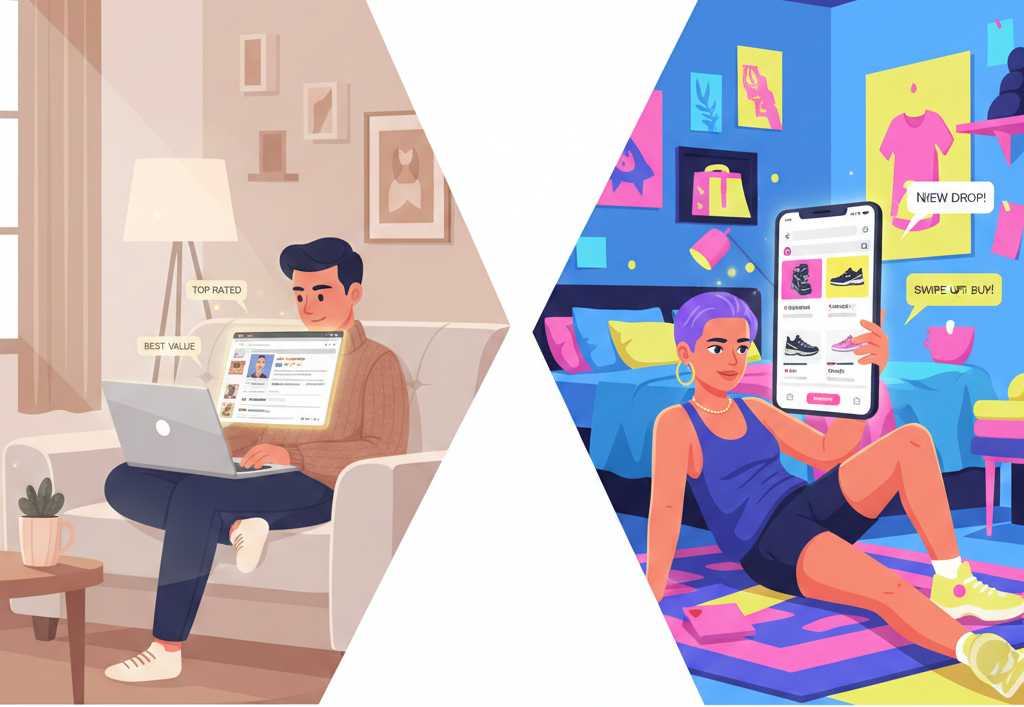
When it comes to understanding consumer behavior in the modern marketplace, two generational cohorts often stand at the center of discussions: Millennials and Generation Z. Both groups wield significant economic influence, yet they approach buying decisions in markedly different ways. In this comprehensive exploration, we dive deep into how Millennials vs Gen Z make purchasing choices, what drives their preferences, and how brands can effectively engage both groups.
As shopping behaviors continue to evolve in an increasingly digital world, businesses must stay attuned to these generational nuances. Whether you’re a marketer, entrepreneur, or simply curious about consumer psychology, this article offers a detailed and structured analysis of buying behavior across these influential generations.
Understanding the Generations
To appreciate the contrasts in consumer behavior, it is crucial to first understand the defining characteristics of Millennials and Generation Z.
Who Are Millennials?
Millennials, often referred to as Generation Y, were born approximately between 1981 and 1996. They came of age during a time of rapid technological advancement, witnessing the transition from dial-up internet to smartphones. As a result, Millennials are often characterized by adaptability, tech-savviness, and a balancing act between traditional and digital lifestyles.
Millennials entered adulthood during the Great Recession, which shaped their financial perspectives. Many became cost-conscious consumers, yet they also value experiences and personal fulfillment. This blend of practicality and aspiration heavily influences their buying decisions.
Who Is Generation Z?
Generation Z generally includes individuals born from 1997 onward, with the oldest members now reaching full adulthood. Unlike Millennials, Gen Z has never known a world without high-speed internet, social media, and instant communication. Digital fluency is not just a skill—they were raised immersed in it.
Growing up through economic uncertainty, climate concerns, and social upheaval, Gen Z tends to have a pragmatic yet purpose-driven outlook. They demand authenticity from brands and frequently seek out products that align with their values, particularly around sustainability and social impact.
Core Differences in Buying Behavior
While generational labels can sometimes be broad, there are clear patterns in how Millennials vs Gen Z approach buying decisions. These patterns reveal deep contrasts in priorities, influences, and expectations.
Digital Comfort vs Digital Nativity
Millennials were digital pioneers—early adopters of e-commerce, social media, and mobile apps. They use digital tools for shopping but often blend them with traditional methods such as in-store browsing or consulting reviews on desktop devices. Online reviews and blog content were among the earliest influencers in their purchasing journeys.
Generation Z, by contrast, are true digital natives. Their entire shopping experience is shaped by fast, mobile-first interactions. They expect seamless digital interfaces, rapid checkout processes, and personalized recommendations. Gen Z often discovers products through social media platforms and influencer content rather than traditional search engines.
The preference for immediacy and convenience means Gen Z is more likely to make impulse purchases through mobile apps or social feeds. Millennials also value convenience, but their decision-making process can include more extensive research and price comparison.
Brand Loyalty and Values
Millennials tend to develop loyalty to brands that have consistently delivered positive experiences. They appreciate quality and are likely to stick with products that have proven reliable. Brand loyalty can be influenced by customer service, rewards programs, and perceived value over time.
Gen Z, however, prioritizes brand values even more intensely. They want to feel that a brand stands for something meaningful. Social responsibility, diversity, sustainability, and ethical practices are central to their purchasing decisions. If a brand fails to align with Gen Z’s values, loyalty is fleeting. They will switch to competitors who better reflect their priorities.
This difference underscores a broader shift: Millennials often shop for utility and aspiration, while Gen Z shops for identity and impact.
Influencers and Social Proof
Influencers have become a powerful force in modern marketing, but their influence cuts differently across generations.
Millennials engage with influencers who provide expertise, lifestyle inspiration, or product recommendations that fit into their goals—whether fitness, travel, or career aspirations. They value authenticity but are also receptive to established personalities and experts.
Gen Z, on the other hand, gravitates toward relatable micro-influencers who feel like peers rather than celebrities. Realness matters more than polish. Gen Z consumers often dismiss content that feels overly commercial or scripted. They look for real stories, genuine testimonials, and unfiltered endorsements.
This difference has reshaped how brands approach influencer marketing, with a growing emphasis on micro-communities and authentic creator partnerships.
Shopping Channels and Digital Behavior
Millennials are comfortable shopping across multiple channels—online stores, third-party marketplaces, and physical retailers. They value the ability to compare prices and features across platforms. Email marketing remains effective with this cohort, as they engage with curated newsletters and promotions.
Gen Z lives on mobile. They prefer social commerce experiences where discovery and purchase happen within the same app. TikTok, Instagram, and visually rich platforms hold immense sway. Video content is particularly influential, with short-form videos often serving as the starting point for product discovery. Gen Z tends to trust peer reviews on social platforms over traditional advertising or long-form text-based reviews.
This shift in channels requires brands to rethink their digital engagement strategies, tailoring experiences to where each generation lives and shops online.
Pricing Sensitivity and Value Perception
Economic conditions have impacted both generations, but their responses differ. Millennials experienced the financial instability of early careers during economic downturns. Many became strategic spenders, seeking value without compromising quality. They appreciate premium products when the value is evident.
Gen Z, growing up amid economic fluctuation and escalating living costs, is intensely price-conscious. They actively seek deals, discounts, and budget-friendly options. Yet, price sensitivity does not equate to sacrificing values. Gen Z is willing to pay more for products that align with their ethical standards or offer long-term benefits.
In practical terms, this means Gen Z may buy fewer luxury items but will allocate more of their budget to products that reflect their values or community identity.
Communication and Engagement Preferences
Effective communication with each generation requires sensitivity to tone, channel, and content.
Millennials: Informative and Relatable
Millennials respond well to content that helps them make informed decisions. They appreciate storytelling that educates and entertains. Long-form blog posts, email newsletters, and detailed product descriptions resonate with this group. They value transparency and expect brands to provide comprehensive information about features, benefits, and pricing.
Millennials also engage with brands that cultivate community through social media groups or events. They enjoy interactive experiences that build a sense of belonging and shared interests.
Gen Z: Authentic and Interactive
Gen Z craves authenticity and interaction. They want to feel seen and heard by the brands they follow. Traditional advertising is less effective; what matters is two-way communication. This generation embraces brands that invite user-generated content, respond directly on social platforms, and foster vibrant online conversations.
Video content dominates Gen Z engagement. Short, creative, and visually compelling videos capture attention and drive action. Gen Z also values immediacy—a prompt response to messages, real-time engagement, and live content all resonate strongly.
Sustainability and Ethical Consumption
Sustainability isn’t a trend—it’s a defining factor in modern purchasing behavior. However, the weight it carries differs between Millennials and Gen Z.
Millennials and Sustainable Aspirations
Many Millennials support sustainability and ethical consumption. They express concern for environmental issues and are willing to make eco-friendly choices when feasible. However, practicality often influences their final decisions. Sustainability is important, but convenience, price, and quality still play substantial roles.
Millennials may support sustainable brands, but they also balance these preferences with other considerations like brand reputation and product performance.
Gen Z and Purpose-Driven Purchases
For Generation Z, sustainability is a non-negotiable. This generation expects brands to operate responsibly and transparently. They investigate supply chains, labor practices, and environmental impact before making a purchase. If a company’s values don’t align with theirs, Gen Z is quick to disengage.
This commitment to ethical consumption extends beyond environmental issues to include diversity, inclusion, and social justice. Gen Z favors brands that lead with purpose and demonstrate measurable impact.
How Brands Can Bridge the Generational Divide
Understanding these generational differences is only part of the equation. The real challenge for brands is translating insights into effective strategies that resonate with both Millennials and Gen Z.
Create Multi-Channel Experiences
A one-size-fits-all approach won’t work. Brands must cultivate seamless experiences across digital and physical channels. For Millennials, this might mean informative websites and responsive customer service. For Gen Z, immersive social commerce and mobile-first engagement are essential.
Both groups appreciate authenticity, but the way it’s communicated must be tailored. Use detailed content and reviews for Millennials, and dynamic, visual storytelling for Gen Z.
Prioritize Transparency and Values
Both generations care about brand values, but Gen Z places this factor at the forefront. Brands should be transparent about sourcing, sustainability practices, and corporate responsibility efforts. Share meaningful stories that illustrate impact, not just marketing slogans.
Millennials appreciate this transparency as well, but they also want clear information about product performance and value.
Leverage Influencers Strategically
Influencer marketing remains a powerful tool—but the choice of influencer matters. For Millennials, credibility and expertise often trump relatability. Partner with trusted voices who can speak to product features and benefits.
For Gen Z, invest in micro-influencers who reflect the diversity and authenticity this generation values. Encourage organic content creation rather than scripted promotions.
Optimize for Mobile and Social Engagement
Gen Z lives in a mobile-first world. Your digital experiences must prioritize speed, convenience, and engagement. Interactive social media campaigns, mobile apps, and in-app shopping experiences can drive deep connections with this group.
Millennials also value mobile convenience but are comfortable navigating multiple platforms. Ensure consistency across desktop and mobile channels to serve their research-driven buying process.
Conclusion
The landscape of consumer behavior is shaped by generational experiences, values, and technological familiarity. Millennials and Generation Z each wield substantial influence, but their paths to purchase differ in meaningful ways. In dissecting the nuances between Millennials vs Gen Z, we find that technology, values, communication preferences, and economic context all inform how these groups make buying decisions.
For brands aiming to succeed in a competitive marketplace, the key lies in understanding and adapting to these differences. By crafting tailored experiences that honor each generation’s priorities—whether through authentic storytelling, value-driven messaging, or immersive digital engagement—businesses can build loyal customers across the generational spectrum.