
In today’s fast-paced digital ecosystem, the intersection of analytics and creative strategy has never been more pivotal. As brands strive to forge deeper connections with audiences across platforms like Instagram, TikTok, LinkedIn, Facebook, and emerging networks, a fundamental question persists: how can we make smarter decisions that drive impact? The answer lies in leveraging the power of data to inform every step of a campaign—from concept to execution to optimization.
This article explores the latest social media trends grounded in data, offering insights that empower marketers to build campaigns that are more relevant, more engaging, and ultimately more successful. Expect a comprehensive journey through analytics-driven strategy, platform-specific performance indicators, predictive modeling, audience segmentation, content performance measurement, and practical examples from brands that have harnessed data to fuel explosive growth.
How Data Has Transformed Social Media Marketing
The evolution of social media from a communication tool to a marketing powerhouse is one of the defining shifts of the last decade. What was once primarily a space for organic engagement has matured into an ecosystem supported by paid advertising, algorithmic personalization, and sophisticated measurement tools. The rise of data-driven strategy has transformed not just what content is created but how marketers approach every facet of social interaction online.
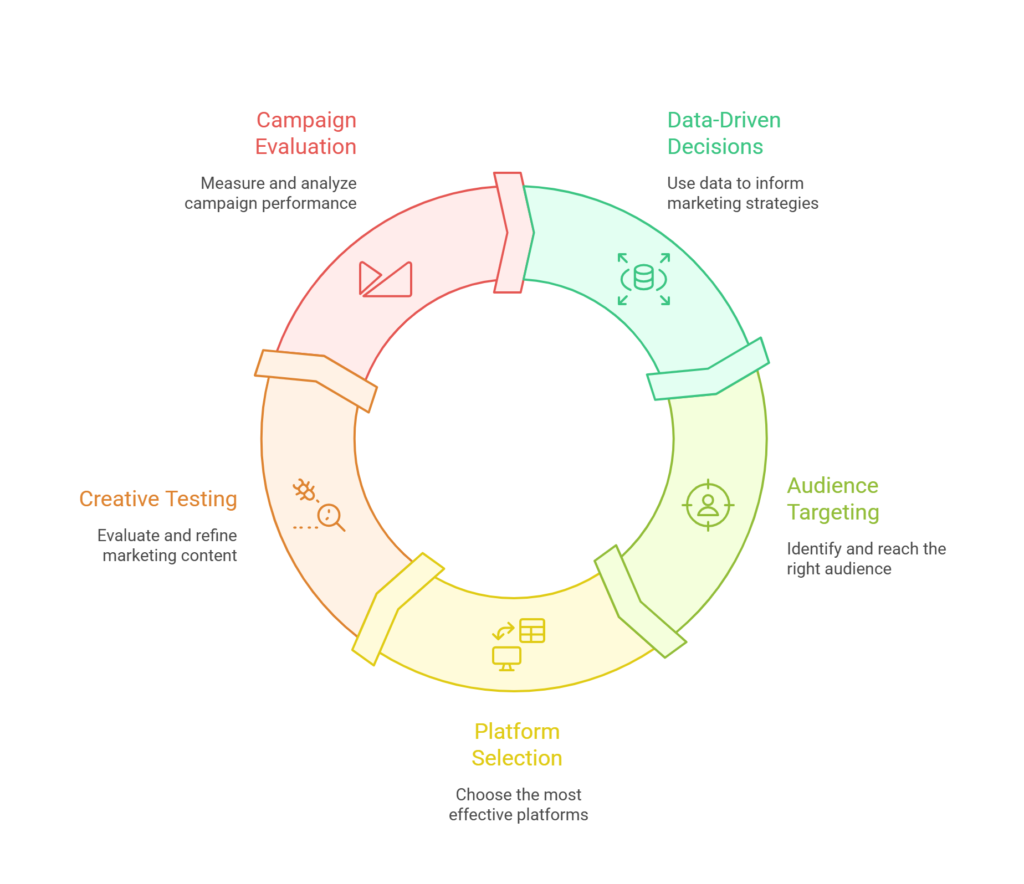
Data now underpins decisions that range from audience targeting and platform selection to creative testing and post-campaign evaluation. As a result, marketers who understand and apply data insights are able to launch campaigns that resonate more deeply with their audiences, drive higher conversions, and deliver measurable ROI.
This paradigm shift has given rise to a set of emerging social media trends that reflect the increasing demand for analytical rigor in campaign strategy. Before diving into those trends, it’s essential to explore the key roles that data plays in modern marketing.
The Role of Data in Shaping Campaign Strategy
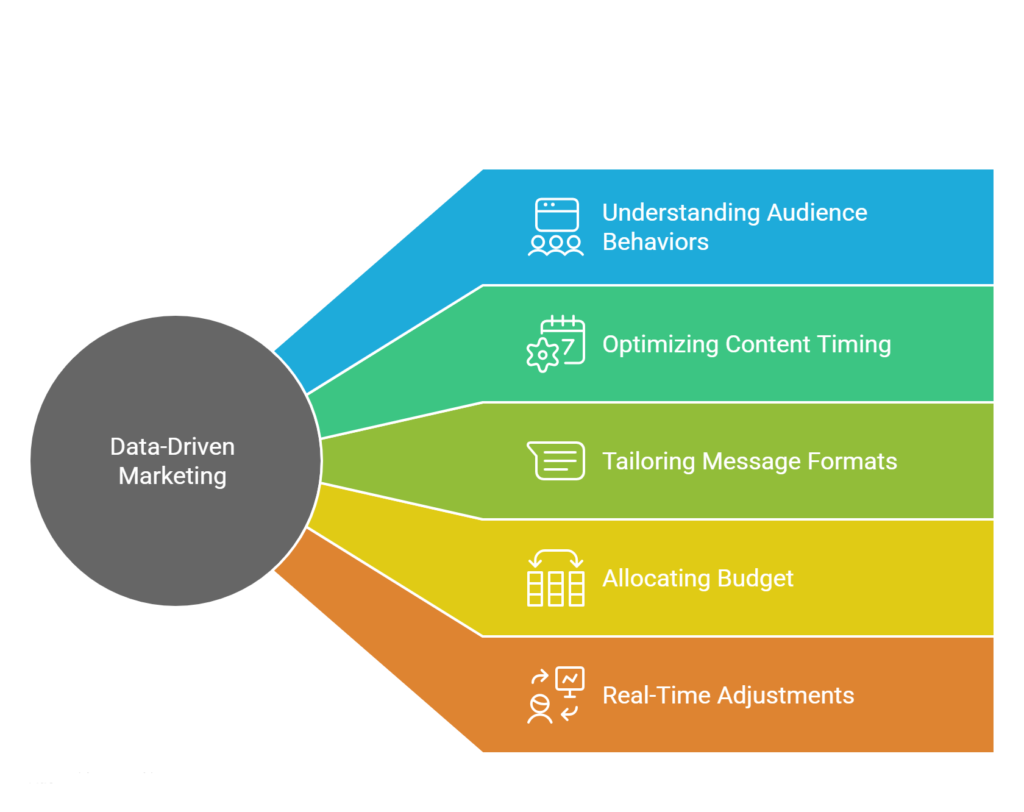
Data is no longer an optional add-on to creative work—it is the foundation upon which successful strategies are built. Rather than relying on intuition or past experiences alone, data-driven marketers use measurable insights to inform key decisions. These include:
Understanding audience behaviors and preferences
Identifying the best times to post content for optimal engagement
Determining which message formats resonate with specific segments
Allocating budget across platforms based on predicted performance
Adjusting campaigns in real time to maximize effectiveness
By embedding analytics into each phase of campaign planning and execution, brands can reduce uncertainty and enhance outcomes. Let’s examine how this approach has manifested into concrete trends that marketers need to know.
Trend #1: Predictive Analytics Guiding Content Prioritization
One of the most powerful developments in marketing analytics is predictive modeling. Instead of only analyzing past performance, predictive analytics forecasts future outcomes based on patterns in historical data. This trend is rapidly reshaping how brands prioritize content types, topics, and formats.
Predictive analytics tools can analyze data from multiple social media channels to reveal which types of posts are likely to perform well with specific audiences. For example, an e-commerce brand may find that short-form video content garners the most engagement among Gen Z users, while long-form educational posts resonate better with a professional audience on LinkedIn.
What makes this trend especially valuable is its ability to reduce wasteful experimentation. Instead of blindly testing content with no clear expectations, brands can use predictions to place strategic bets on what is most likely to succeed, saving time and marketing resources.
Predictive insights also feed into scheduling decisions. Tools that analyze performance trends over time can suggest when audiences are most active and receptive, helping marketers maximize visibility without oversaturating feeds.
Trend #2: Real-Time Performance Monitoring and Optimization
Another data-fueled trend shaping smarter campaigns is the ability to monitor performance in real time and make adjustments on the fly. In the past, marketers might have waited weeks for a post-campaign report to understand what worked and what didn’t. Today, dashboards equipped with live data allow instant evaluation of key performance indicators (KPIs), such as engagement, reach, click-through rates, and conversions.
This real-time responsiveness gives marketers greater agility. If a particular creative asset underperforms shortly after launch, teams can immediately pivot to alternative content or messaging. Conversely, if a campaign starts to gain momentum, marketers can choose to amplify it through increased budget allocation or by creating complementary posts to sustain interest.
The ability to pivot is particularly crucial in environments where trends shift rapidly. Whether a viral meme catches fire or breaking news alters audience sentiment, real-time monitoring ensures that brands stay relevant and respectful, rather than stuck with outdated content that could harm performance.
Real-time data also feeds into automated rules for campaign adjustments. For instance, some social ad platforms allow marketers to set performance thresholds that trigger automatic budget increases or shifts in audience targeting without requiring manual intervention.
Trend #3: Cross-Platform Attribution Modeling for Better ROI Understanding
One of the more complex challenges in social media analytics is attribution—understanding how different touchpoints contribute to a desired outcome, like a purchase or a sign-up. Traditional models like “last click” have proven inadequate for environments where users interact with multiple channels before converting. This is where advanced attribution modeling comes into play.
Data-driven attribution models evaluate the full path users take, assigning proportional credit to each interaction along the journey. For example, a user might discover a brand through an Instagram Reel, engage with a Facebook post, and eventually convert after seeing a TikTok ad. Cross-platform models help marketers understand the cumulative influence of these interactions, rather than oversimplifying the journey.
With deeper insight into how each channel contributes to conversions, marketers can better allocate budget and optimize content strategy for the highest impact. This trend is increasingly important as campaigns span multiple platforms, devices, and touchpoints.
Advanced attribution also allows marketers to tie social media performance back to business outcomes. Rather than simply reporting likes and shares, teams can analyze how social efforts contribute to revenue, lead generation, or audience growth—making it easier to advocate for investment in social media initiatives.
Trend #4: AI-Powered Creative Insights for Enhanced Engagement
Artificial intelligence has made significant strides in recent years, and its influence on social media marketing continues to expand. Beyond automating scheduling and reporting tasks, AI now provides deep creative insights that help brands refine their messaging, visuals, and even emotional tone based on audience preferences.
Using natural language processing and computer vision, AI tools analyze top-performing content to detect patterns in language, color schemes, pacing, and visual elements. These insights can inform creative decisions for upcoming campaigns. For instance, if a particular type of caption length or hashtag pattern consistently drives higher engagement within a specific demographic, marketers can replicate and refine these elements across future posts.
AI also empowers brands to scale personalization. Instead of producing a one-size-fits-all message, teams can use algorithmically generated variations tailored to audience segments, increasing relevance and engagement without inflating production costs significantly.
As AI continues to evolve, its integration with data analytics will only strengthen. Marketers who embrace these tools gain a competitive advantage, creating content that resonates deeply and performs effectively across diverse audiences.
Trend #5: Community-Led Analytics Guiding Brand Conversations
Today’s audiences are more vocal than ever, and data analysis now extends beyond quantitative metrics into qualitative insights gathered from community interactions. Social listening tools capture sentiment, topic trends, and emerging conversations that reveal what audiences care about and how they talk about brands, products, and industry topics.
This community-led approach to analytics allows marketers to refine tone, messaging, and content formats to align with real-time audience expectations. Instead of rigidly sticking to a predetermined messaging calendar, brands can respond dynamically to topics gaining traction, aligning their content with broader cultural conversations.
For example, a brand that detects a sudden increase in discussion around sustainable practices within its community might pivot to highlight its eco-friendly initiatives. This kind of responsive strategy fosters authenticity and positions the brand as attentive and relevant.
Community analytics also uncover pain points and unmet needs. By analyzing user feedback across comments, direct messages, and forums, teams can identify opportunities for content that educates, supports, or entertains in ways that fill gaps left by competitors.
Trend #6: Enhanced Audience Segmentation Using Behavioral Data
Segmentation has always been a cornerstone of effective marketing. What’s new in the data-driven era is the level of granularity now available. Marketers can go beyond demographic segmentation to group audiences based on behaviors, engagement patterns, lifecycle stage, and predictive likelihood to convert.
Behavioral data reveals how users interact with content across platforms and over time. This data can be clustered into segments such as highly engaged frequent visitors, occasional browsers, lapsed customers, and high-value converters. Each segment has distinct preferences and requires tailored messaging to move them closer to conversion.
Segmentation enhances personalization. Rather than deploying generic messages, brands can deliver content tailored to where each user is in their journey. For example, an email follow-up after social engagement may differ significantly from a direct ad to users who have previously visited the brand’s website multiple times.
This trend underscores the shift from broad audience targeting to nuanced precision marketing. With better data comes the ability to treat each user as an individual rather than as part of an undifferentiated mass.
Trend #7: Ethical Data Use and Privacy-Aware Marketing Practices
The rise of data-driven marketing has also increased scrutiny around consumer privacy and ethical data use. Regulations such as the General Data Protection Regulation (GDPR), the California Consumer Privacy Act (CCPA), and platform-level privacy changes (like Apple iOS updates limiting third-party data access) have reshaped how marketers collect, store, and use data.
Responsible marketers now balance data ambition with user consent and privacy protection. Respecting privacy not only ensures compliance with legal requirements but also builds trust with audiences, who are increasingly aware of and concerned about how their data is used.
Brands are adopting transparent data practices, offering clear opt-in choices and explaining the benefits of data sharing to users. In some cases, companies incentivize data sharing with personalized experiences, exclusive content, or loyalty rewards.
This trend intersects with broader ethical considerations in marketing. Data-driven campaigns must avoid manipulative tactics and instead focus on delivering genuine value to audiences, fostering long-term relationships rather than short-term transactions.
Case Studies: Data-Driven Campaigns That Defined Success
To illustrate the power of data-driven social media strategy, consider the following examples of brands that harnessed analytics to elevate performance.
One global fashion retailer used predictive analytics to identify peak engagement periods for its audience across platforms. By analyzing patterns in past interactions, the brand scheduled product reveals and promotional content when users were most active, resulting in a substantial increase in engagement and conversion rates.
A midsize software company adopted cross-platform attribution modeling to understand how different social channels contributed to B2B lead generation. The team discovered that LinkedIn interactions played a larger role than previously assumed, leading to a reallocation of budget and a measurable increase in qualified leads.
Another beauty brand employed AI-powered creative analysis to refine its TikTok campaign. By identifying visual and auditory elements associated with high engagement, the brand developed a series of short-form videos that resonated deeply with its target demographic, significantly boosting brand visibility and user-generated content.
These examples demonstrate how data-driven insights translate into measurable business outcomes. While each brand and industry will have unique metrics of success, the common thread is an evidence-based approach to decision-making.
How to Get Started With Data-Driven Campaigns
For marketers eager to harness these trends, the path forward begins with a few key steps. First, establish clear goals and identify the metrics that matter most to your brand. Whether it’s engagement, leads, conversions, or brand awareness, having defined objectives will guide data collection and analysis.
Next, invest in tools and platforms that centralize data from your social channels. Dashboards that unify performance metrics make it easier to spot patterns and derive actionable insights. Integrating customer relationship management (CRM) data can also enrich your understanding of audience behavior across touchpoints.
Building internal expertise—whether through training or hiring analytics-focused talent—is essential. Understanding how to interpret data and translate it into strategic action is what separates successful campaigns from noise.
Finally, prioritize ethical data practices. Be transparent with users about how their information is used and ensure that your data strategy aligns with privacy regulations and consumer expectations.
Conclusion: The Future of Data-Led Social Engagement
The landscape of digital marketing continues to evolve, shaped by innovations in analytics, artificial intelligence, and consumer behavior. For brands that embrace a data-centric mindset, the opportunities for smarter, more impactful campaigns are vast.
Incorporating predictive analytics, real-time optimization, advanced attribution, AI-driven creativity, audience segmentation, and ethical data practices not only enhances performance but builds a foundation of trust and relevance with audiences.
As you plan future campaigns, view data not as a collection of numbers but as a compass that guides strategic decisions. The ability to listen, respond, and adapt is what separates leading brands from those that fall behind. By understanding and applying these data-driven approaches, you position your marketing efforts for sustained success in an ever-shifting digital world.