
You know that moment when everything looks like it’s falling into place? Ads are live. Traffic’s pouring in. People are clicking, exploring… and then? Crickets. No conversions. No sales. Just silence.
It’s maddening, right? Like setting the table for a big dinner and everyone leaves halfway through the appetizer. You built what felt like a solid funnel, did everything “right,” but something’s off. The problem? You’re not sure where folks are walking away.
That’s where knowing how to identify drop-off points in your conversion funnel really changes the game. It’s not just about plugging leaks. It’s about finding those subtle, hidden points of friction, the ones users never tell you about, and smoothing them out so more people stick around, take action, and maybe even come back.
So let’s walk through it together. What a funnel is. Where people usually leave. How you can find out why. And most importantly, what you can do about it.
Let’s start back at the beginning where your users do.
Understanding the Conversion Funnel
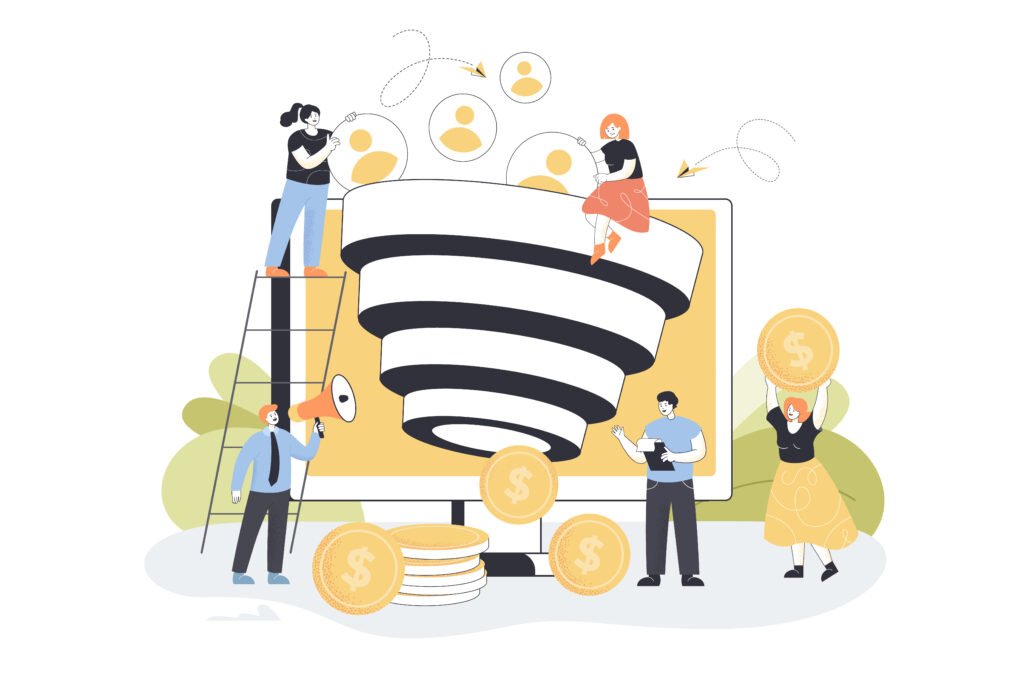
Here’s the thing: a conversion funnel isn’t some rigid diagram from a marketing slide. It’s the actual journey your customer takes—from their first glimpse of your brand to the moment they click “Buy” or “Book Now.”
It’s emotional. Messy. Human.
At every stage, they’re weighing small but important decisions. Scroll or bounce? Click or ignore? Stay or go?
Here’s how that path usually pans out:
- Awareness: They’ve just spotted you. Maybe it’s an Instagram ad, a Google result, an overheard name. You’re a blip. A maybe.
- Prospecting: They’re curious now. They poke around your site, read a blog, scan a few headlines. It’s that early “hmm… tell me more” phase.
- Consideration: Now they’re serious. They’re comparing features, scanning reviews, doing the whole pro/con breakdown in their head.
- Intent: They add to cart. Book a demo. Start filling out a form. They’re one foot in… just not fully committed.
- Action (Conversion Funnel): This is the leap. The payment goes through. They sign up. Say yes.
What trips people up is this: each little stage can quietly lose people. And most of the time, they don’t leave kicking and screaming. They ghost. One clunky page, one unfamiliar form field, and they’re gone.
Your job is to see it happen before it’s too late.
Why Drop-Offs Matter More Than You Think
Okay, sure not everyone will make it to the end. That part’s normal. But when too many bounce before even getting halfway through, that’s more than a bummer. It’s a red flag.
Because you’re not just losing sales. You’re losing clarity. Missing the “why.” That moment they bail? It says something. Maybe the message landed wrong. Maybe your form felt sketchy. Maybe the site just didn’t load in time on a bus ride home.
Once you start looking at those drop-offs closely, it’s like turning on the lights in a room you didn’t know was half on fire. You see where to focus. Where it hurts. And more importantly what to fix.
To do that, you’ve gotta track behavior, not just numbers.
Tools to Track User Behavior (and Find the Clues)
Let’s be real: guessing sucks. You need receipts. And that’s where tools come into play. They help you see not just that people are leaving, but how… and maybe even why.
Here’s what works:
- Google Analytics: The classic. Builds you a visual breakdown of how many people reach each step. If 70 percent drop right after the product page? You’ve got something to look at.
- Heatmaps & Session Recordings (Think Hotjar, Crazy Egg): These are like peeking over someone’s shoulder. You’ll see where users click, how far they scroll, and where they literally stop caring.
- Funnel Analysis Tools (Mixpanel, Heap, Kissmetrics): Great for advanced tracking. Want to see how people from specific ad campaigns behave? This is how. It also shows you long-term trends across devices and user types.
- Form Analytics (Formisimo, etc.): If forms are part of the funnel—which they often are—these tools track drop-offs field by field. You’ll know exactly where people stop typing and peace out.
- Here’s the deal: most problems show up in behavior before they show up in revenue. These tools help you catch those early signs.
Methods to Identify Drop-Off Points
Alright, tools are set up. But now what? What exactly are you looking for when analyzing a conversion funnel?
Here’s how to dig in with purpose:
1. Funnel Visualization Reports: Lay out your steps—Landing page to product page to checkout, for instance. Then look for the cliffs, not the slopes. A big drop between add-to-cart and payment? That’s your spot.
2. User Flow Analysis: Platforms like GA let you follow your users’ trail. See if they bounce quickly, circle through the same pages, or hit a wall. High exit pages deserve a second look.
3. A/B and Multivariate Testing: If you’re not sure what’s broken, try a change. Test headlines, button colors, layouts, messaging. Sometimes a tiny tweak gets people unstuck.
4. Bounce and Exit Rates: Bounce rate = they came and left right after. Exit rate = they left that page mid-journey. Compare page to page. High? Something’s off.
5. Quick Surveys or Feedback Popups: Want to know what’s stopping them? Just ask. A subtle, one-question survey—“What stopped you from finishing?”—can give you truths no spreadsheet will.
It’s like walking a trail and spotting broken planks before someone falls through. The sooner you notice, the better the fix.
Interpreting Drop-Off Data: Patterns, Not Pixels
Okay, so now you’ve got data. But data alone is like a crime scene with no detectives around. You’ve gotta read between the lines to understand what’s really happening inside your conversion funnel.
Start here:
- Notice the Repeats: If mobile checkouts always tank, that’s not random. Could be slow load times or finicky elements. If tons of people exit after reading your FAQ maybe your answers aren’t helping.
- Segment Everything: First-time visitors behave differently from loyal ones. Organic searchers are a different beast than Facebook ad traffic. Break it down. Otherwise, you’re shooting in the dark.
- Mix UX and Tech: Sometimes it’s not the message—it’s the mechanics. Use Chrome Lighthouse or PageSpeed Insights to check for things like lag, glitches, or awkward mobile design.
- Example time. A healthcare site might lose people halfway through an intake form. Why? Maybe it’s too long. Or feels invasive. A fintech tool could scare off investors if the pricing page feels sketchy or cluttered. In e-learning, a video that won’t play might stop a student from signing up altogether.
Point is there’s always context. You just have to look for it.
Strategies to Reduce Drop-Offs and Rebuild Momentum
Now for the good part. You’ve spotted where people are bouncing in your conversion funnel. Time to earn ‘em back. Here are some moves that work:
- Speed It All Up: If your page takes more than 3 seconds to load, half your users are gone. Compress images. Cut down on bloated code. Think mobile first.
- Make CTAs Loud and Clear: “Submit” doesn’t cut it. Use action words specific ones. “Get My Free Trial” or “Book My Spot.” And make sure they pop visually.
- Keep It Simple, Always: Too many steps kill momentum. Reduce checkout steps. Pre-fill form fields if you can. Ditch anything that’s optional and distracting.
- Talk Directly to the Right People: Tailor content based on behavior or past visits. If a user’s browsed budget fitness plans, don’t throw MBA upsells at them.
- Build Trust Fast: Add testimonials where it counts. Use security badges, clear refund policies, known logo partnerships. It’s not fluff it’s reassurance.
- Retarget the Right Way: Drop-offs don’t always mean “no.” They can mean “not right now.” So target lost users with helpful nudges—not just generic sales blasts. Think reminders, promos, or product benefits they almost converted on.
Just remember, this isn’t a set-it-and-forget-it deal. Funnels need regular tune-ups.
Real-World Wins: Case Study Highlights
Here’s where rubber meets road. These aren’t theory they’re businesses that found drop-off points and did something about it.
E-commerce – Cart Recovery
A fashion brand spotted massive drop-offs during the third part of checkout shipping info. Turned out, the form wasn’t mobile friendly, and nobody trusted it with credit cards. They simplified the flow and added trust badges and guest checkout. Cart abandonment dropped 25%. They cleared over $1.2 million off that fix in six months.
Healthcare – Intake Form Fix
A clinic noticed that 68% of patients bailed halfway through their online form. They split it into smaller steps and added an auto-save feature. Boom 40% improvement. Easier for patients, better for the practice.
Education – Pricing Page Tweak
An ed-tech company saw users leave right after checking course content. Session recordings showed hesitation on the pricing page. They offered installment plans and added testimonials from real students. Enrollment shot up by 31% in a quarter.
Moral of the story? Don’t guess. React to what’s actually happening.
Where Do You Go From Here?
We’ve covered a lot. Hopefully now, when you’re wondering how to identify drop-off points in your conversion funnel, it feels more doable more real.
This is your playbook: Map the journey. Track the behavior. Dig into the data. Then tweak, test, and tweak again.
Just remember funnels aren’t fixed landscapes. They shift. New channel, new product, new expectation? Users react differently. That’s okay. Stay curious. Set alerts. Watch rollouts closely.
Loop in your devs, marketers, writers. Make data a team sport.
Sure, it’s ongoing work. But it pays off. Every little fix—every field tightened, headline clarified, CTA sharpened—brings another person closer to that final “yes.”
And honestly? In a world full of endless tabs and choices, helping someone stick with you all the way through? That’s kind of a big deal.
So fix the leaks. Smooth the ride. Let your funnel actually feel like a journey worth completing.
You’re more than ready.