

You know that moment. You’re standing in an aisle, staring at what feels like an entire town of cereal boxes, frozen dinners, phone cases basically clones wearing different outfits. But somehow, one reaches out and grabs you. Maybe it’s the bright color. Maybe it says “plastic-free.” Maybe it’s the one your mom always bought.
Whatever the reason, it wasn’t luck.
That was product positioning doing its job.
In today’s world crowded, chaotic, loud positioning isn’t optional. It’s the difference between being chosen and being ignored. It’s the story you tell, the emotion you spark, the role your product plays in someone’s life.
So how do you carve out a spot that’s actually yours? Not generic. Not borrowed. Not wishful.
Let’s dig into how real positioning happens: by listening deeply, speaking clearly, and building something your people actually want.
Understanding the Market: Listen Before You Speak
If you start by selling, you’ve already lost ground.
To position your product well, you need to understand the world it will live in. And that means listening—not skimming a competitor’s homepage or scrolling hashtags for ten minutes.
We’re talking real, grounded listening. The unfiltered kind.
Conduct Market Research: Don’t Just Analyze—Explore
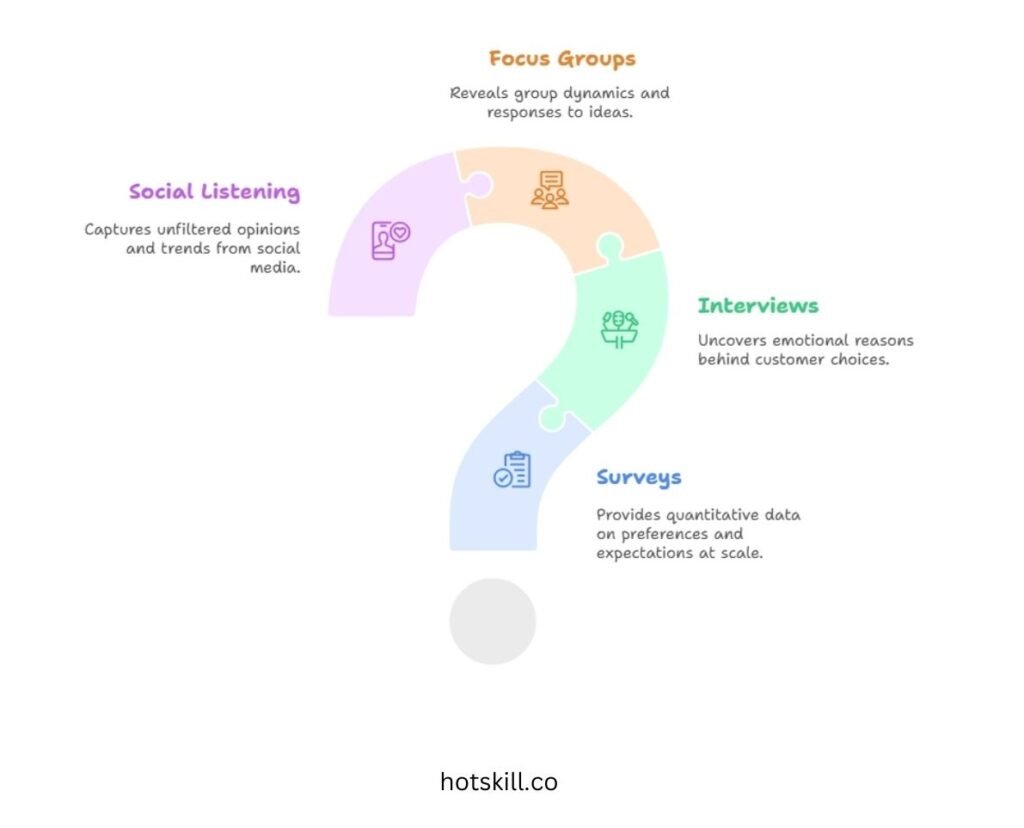
This is the part people rush… and regret later. Your positioning lives or dies here.
You need the numbers and the nuance. The data and the emotion. Because people rarely buy for “logical” reasons alone.
Here’s where to dig:
- Surveys: See patterns at scale price sensitivity, convenience, expectations.
- Interviews: Ask “Why?” until you hit something emotional. That’s your gold.
- Focus Groups: See how people respond when they hear others speak.
- Social Listening: Reddit, Instagram, TikTok comments people overshare in the best way possible.
Example:
If you’re building compostable phone cases, research might show customers want sustainability without sacrificing aesthetics. No bulky beige cases. They want sleek, pretty, and earth-friendly. That insight alone can shape your entire positioning.
Identify Your Target Audience: Spoiler—It’s Not ‘Everyone’
Trying to sell to everyone is a fast track to blending in.
Precise targeting = powerful positioning.
Break down your customers:
- Life: Age, lifestyle, job, income.
- Values: What they care about, what they tolerate, what they reject.
- Behavior: What triggers them to buy and what makes them leave.
Example: A diabetes mobile app could serve:
- Gen Z users counting sugars like steps.
- Boomers wanting clear reminders and simple interfaces.
Same category. Completely different positioning.
Own your audience. Get uncomfortably specific. They’ll feel the difference instantly.
Define Your Unique Selling Proposition (USP): Why You?
Once you know your audience, you can uncover what makes you unmissable.
Your USP isn’t a cute tagline or a list of features. It’s the heartbeat behind why people choose you instead of someone else.
How to Find What Truly Makes You Different
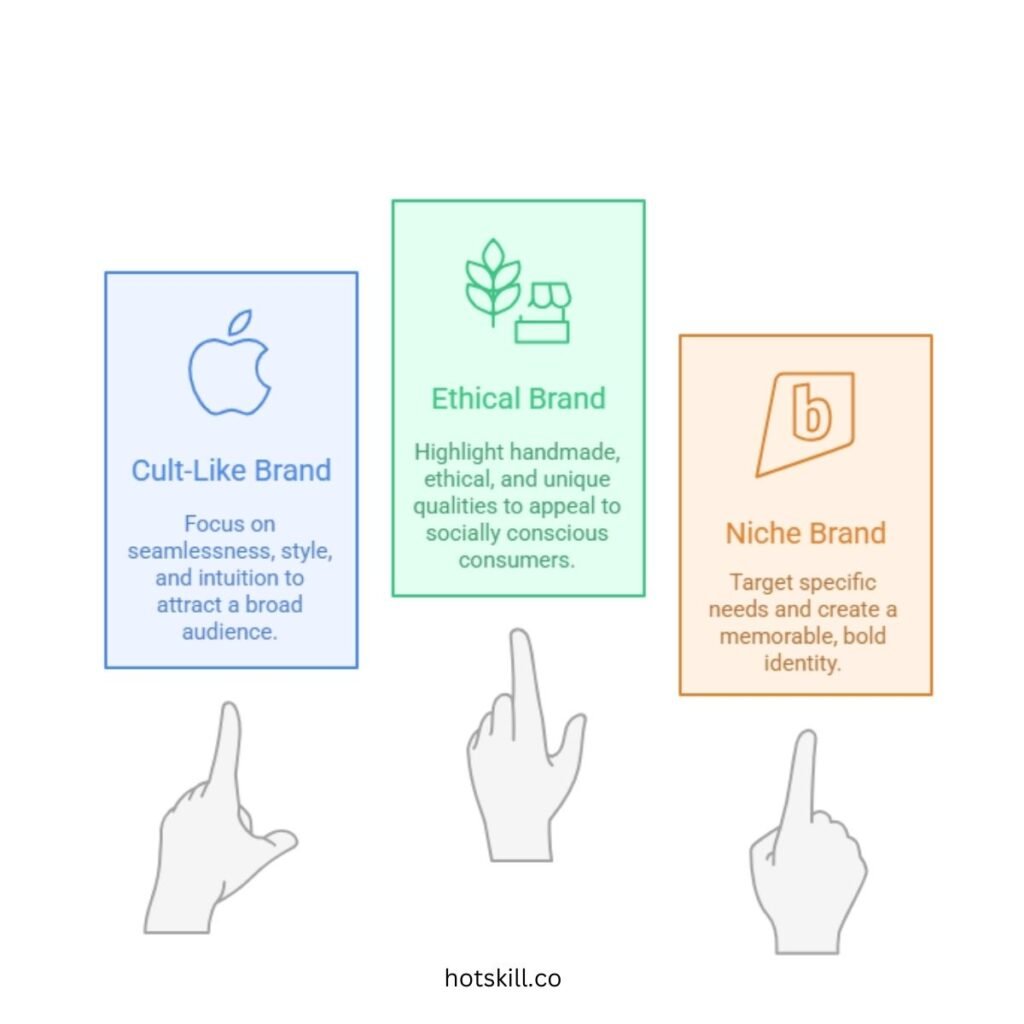
Look at brands with cult-like customer love:
- Apple: Seamless, stylish, intuitive.
- LUSH: Handmade, ethical, refreshingly weird.
Or niche brands:
- Skincare for women navigating hormonal acne in their 30s.
- Writing tools for people with dyslexia.
Specific. Memorable. Bold.
Ask yourself:
- What do you do better?
- What unnecessary complexity do you eliminate?
- What value do you create that no one talks about?
- What emotional need do you fulfill?
Example: Launching dog food?
You can position as “vet-approved raw formula.”
Or go bold with “gourmet, small-batch meals your dog would order twice.”
Different audience. Different message. Different outcome.
Craft a Positioning Statement: Your North Star
This isn’t just a branding exercise. It’s a strategic anchor.
Your positioning statement guides your marketing, design, product decisions, and messaging.
It must clearly define:
- Your target audience
- Your category
- Your unique value
- The payoff (emotional or functional)
Example:
“For busy professionals who want to eat better without cooking, Grove Kitchen offers chef-designed, plant-based meals sourced within 100 miles—fuel that feels good, without the prep.”
Clear. Confident. Directional.
Choose the Right Positioning Strategy
Positioning requires a clear angle one core idea that leads everything else.
Here are proven strategies:
1. Cost-Based Positioning
Be the most affordable. But make sure value stays strong.
- Walmart → “Always low prices.”
- Robo-advisors → Lower fees than traditional finance.
Works fast, but not always sustainable.
2. Quality-Based Positioning
Lead with superior performance, design, or craft.
- Dyson for tech
- Tiffany for jewelry
This attracts loyal customers—if you truly deliver what you promise.
3. Use or Application-Based Positioning
Position based on a specific use case.
- Swiffer → “Quick clean-ups.”
- B2B tools tailored to specific regulations or industries.
Crystal-clear, problem-first messaging wins here.
4. Competitor-Based Positioning
Differentiate by drawing contrast.
- Mac vs PC
- Coke vs Pepsi
Just stay classy—focus on what you do better, not trash talk.
5. Benefit-Based Positioning
Sell the outcome, not the features.
- Calm → Better sleep
- L’Oréal → Confidence (“Because you’re worth it.”)
People buy feelings more than functions.
Pick the strategy that aligns with your audience’s deepest motivators.
Execute Your Positioning: Make It Visible Everywhere
Positioning isn’t what you say.
It’s what you consistently show.
Align the 4Ps (Product, Price, Place, Promotion)
This is where many brands fall apart.
- Product: Does it fulfill the promise?
- Price: Does it reflect the positioning?
- Place: Are you present where your customer expects?
- Promotion: Does your message match your identity?
Example:
If you position yourself as premium but your app crashes and your pricing is unclear, your credibility dissolves instantly.
Keep Messaging Consistent—Across All Channels
People interact with your brand 20 different ways. If even one feels “off,” trust breaks.
- If you’re sustainable → avoid plastic packaging.
- If you’re premium → avoid cluttered visuals.
- If you’re fast → your checkout shouldn’t lag.
Consistency = believability.
Brand Identity & Packaging: Silent Positioning
Your visuals speak before your words do.
Think:
- Coca-Cola’s iconic bottle
- Glossier’s bubble pouch
- Oatly’s friendly, rebellious typography
Design is not decoration—it’s positioning in disguise.
Monitor and Adjust Your Positioning
Markets shift. Tastes evolve. Competitors level up.
Your positioning must stay alive.
Stay Connected to Customers
Study:
- Reviews
- Social comments
- Support tickets
- Surveys
- Feature usage
Your real positioning might be hiding in what customers rave about—or ignore.
Watch the Market
New competitors can carve out angles you missed. Economic shifts can rewire priorities overnight.
Stay alert. Stay flexible.
Big Shifts May Require Repositioning
Like:
- Facebook → Meta
- Weight Watchers → WW
Sometimes the product changes. Sometimes the world does. Adapt intentionally.
Final Thoughts: Claim Your Space or Get Overrun
Product positioning is the difference between being seen and being chosen.
It’s the voice in your customer’s head when they’re picking between you and everyone else.
Do the research. Understand your people. Say what you really mean.
Then show up—consistently, confidently, and with personality.
Because once your positioning clicks?
You don’t fight for attention anymore.
Your brand starts living rent-free in your customer’s mind.