

Introduction
Let’s be real—writing SEO content today feels like running on a treadmill that’s always speeding up.
Everyone is chasing the same keywords. Algorithms change without warning. Standing out in search results? Exhausting.
That’s where AI prompts for SEO content come in—not as a magic shortcut, but as a reliable sidekick. One that gives you structure when ideas run dry and helps align content with both search engines and real people.
A strong AI prompt doesn’t just generate text. It guides the AI to create content that’s:
- Focused
- Valuable
- Readable
- Search-optimized
In this guide, we’ll break down how AI prompts are helping marketers, small businesses, educators, SaaS teams, and even healthcare brands create high-quality SEO content—faster and with less friction.
Let’s dive in.
Understanding AI Prompts for SEO Content
Before throwing prompts at an AI tool, it’s important to understand what they are and how to use them effectively.
What Are AI Prompts?
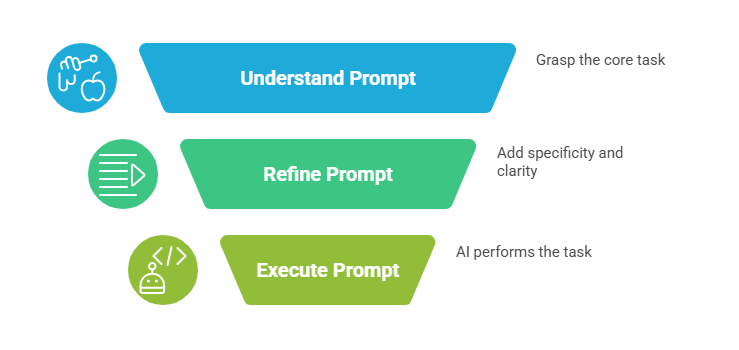
At their core, AI prompts are instructions you give tools like ChatGPT to perform a specific task:
- Write a blog post
- Generate keyword ideas
- Optimize meta tags
- Rewrite or refresh content
Think of it like this:
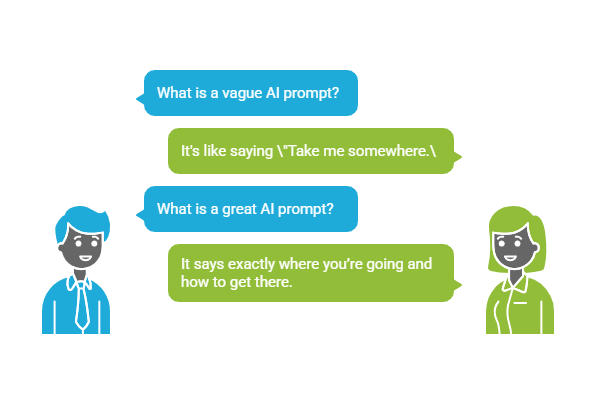
AI = Driver
Prompt = Map
A vague prompt is saying “Take me somewhere.”
A great prompt says exactly where you’re going and how to get there.
Types of AI Prompts Used in SEO
AI prompts play a role across the entire SEO workflow:
- 🧠 Keyword Research Prompts
Identify long-tail keywords, intent-based terms, and clusters - ✍️ Content Writing Prompts
Create blogs, landing pages, service pages, and newsletters - 🔧 Optimization Prompts
Improve on-page SEO, keyword placement, readability, and structure - ♻️ Content Refresh Prompts
Update outdated posts with newer data, trends, and phrasing
What works for one industry may not work for another.
A medical website needs precision and trust.
A food blog needs personality and flow.
How AI Prompts Work in Content Creation
Compare these two prompts:
❌ “Write about local SEO.”
✅ “Write a 1,200-word guide for small business owners on ‘Local SEO Strategies in 2026.’ Include actionable tips, future trends, and use a friendly, advisory tone.”
Specificity changes everything.
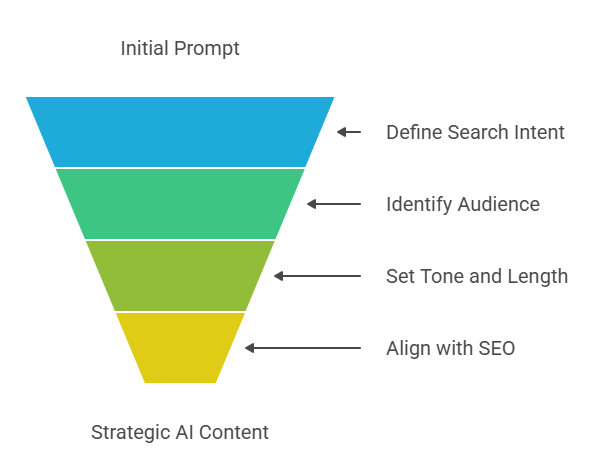
Good prompts reflect:
- Clear search intent
- Defined audience
- Desired tone and length
- SEO objectives
That’s where AI becomes a strategy tool—not just a writing assistant.
Benefits of Using AI Prompts for SEO Content
This is why everyone—from solopreneurs to enterprise teams—is leaning into AI prompts.
Higher Content Quality & Relevance
Strong prompts result in content people actually want to read.
Example:
A healthcare brand created an FAQ blog titled “Top 5 Questions Patients Ask About Telemedicine.”
With the right prompt structure, engagement increased by 30%—not flashy, just relevant.
Faster Content Production
AI prompts help teams scale without burning out.
Case:
A small interior design firm jumped from 6 blogs/month to 40, using prompt templates—same team, better systems.
Smarter Keyword Optimization
Instead of keyword stuffing, good prompts encourage semantic variation.
Rather than repeating:
“smart thermostat for home energy savings”
AI naturally outputs variations like:
- “cut energy bills with smart thermostats”
- “smarter climate control solutions”
Better flow. Same SEO strength.
Improved User Engagement
When content matches search intent:
- Time on page increases
- Bounce rates drop
- Return visits improve
AI doesn’t create engagement—good prompts do.
Examples of Effective AI Prompts for SEO Content
Use these as templates and adapt them to your niche.
Keyword Research Prompts
- “List 15 high-volume, low-competition keywords for ‘home solar installation in urban areas (2026)’ with estimated search volume.”
- “Create semantic keyword clusters for ‘early childhood education trends,’ grouped by informational and commercial intent.”
Content Idea Prompts
- “Suggest five blog topics on how wearable technology is reshaping elderly healthcare by 2026. Include benefits, concerns, and future outlook.”
Meta Title & Description Prompts
- “Write a meta description under 155 characters for ‘Top Cybersecurity Risks for Small Businesses in 2026.’ Make it clear and urgent.”
Content Refresh Prompts
- “Update this 2021 article on ‘Hybrid Work Models’ using 2026 trends, current data, and improved keyword placement.”
How to Create & Use AI Prompts for SEO
Research Your Audience & Keywords First
Every strong prompt begins with:
- Who is this for?
- What problem are they solving?
- What are they searching?
Use tools like Ahrefs, SEMrush, or Google Keyword Planner—then shape prompts around user intent, not assumptions.
Craft Clear, Detailed Prompts
❌ “Write an SEO article about exercise.”
✅ “Write a 1,000-word SEO blog for busy professionals about 20-minute morning workouts. Use a friendly tone, include 3 science-backed benefits, and optimize for ‘benefits of quick workouts.’”
Edit, Test & Refine AI Output
AI delivers fast drafts—not finished pieces.
Always:
- Edit for clarity and tone
- Improve flow
- Add examples or experience
- Track performance
If it doesn’t perform → refine the prompt, not just the text.
Integrate Prompts Into Your SEO Workflow
AI prompts work best when systemized:
- Monthly content calendars
- Content refresh cycles
- FAQ expansion
- Product description updates
- E-E-A-T improvements
Build a prompt library and reuse what works.
AI Tools That Support SEO Prompts
Popular Platforms
- ChatGPT – Flexible, affordable, great for custom prompts
- DeepSeek – SEO-focused with keyword density features
- Typeface / Jasper – Strong brand-voice and team collaboration tools
What to Look For
- Editable prompt templates
- Keyword integrations
- SERP previews
- Multi-language support
- Team collaboration features
Common Challenges (and Fixes)
Avoiding Generic Content
→ Add tone, audience, or perspective to your prompt.
Maintaining Human Quality
→ Edit with real readers in mind. Add examples, stories, opinions.
Staying SEO-Safe
→ Avoid keyword stuffing, follow search intent, stay compliant with Google guidelines.
Future of AI Prompts & SEO
AI tools are moving toward:
- Predictive search intent
- Trend-based topic suggestions
- Personalized content at scale
SEO isn’t becoming robotic—it’s becoming smarter.
Your edge won’t be the tool you use, but how well you guide it.
Conclusion
AI prompts aren’t here to replace writers—they’re here to amplify them.
They help overcome creative fatigue, speed up execution, and improve consistency. But your judgment, voice, and experience still matter.
Build prompts that work. Refine them often. Use them strategically.
Because in 2026, the brands that win won’t just produce content faster—they’ll produce better content.
Start with one blog. One page refresh. One smart prompt.