
Marketing is the backbone of every business, serving as the bridge between companies and their customers. Over the decades, marketing has undergone a massive transformation, evolving from conventional methods like print advertisements and direct sales to digital, data-driven approaches powered by technology. Understanding the fundamentals of marketing is crucial for businesses aiming to stay competitive and relevant in an ever-changing marketplace. This article explores the differences between traditional and modern marketing, highlighting their strategies, advantages, limitations, and how businesses can leverage both to maximize their reach and impact.
Understanding the Fundamentals of Marketing
Before diving into the comparison, it is essential to understand what marketing truly entails. At its core, marketing is the process of creating, communicating, delivering, and exchanging offerings that hold value for customers, clients, partners, and society at large. It is not merely about selling products or services; it is about understanding consumer needs, shaping experiences, and building lasting relationships.
The fundamentals of marketing revolve around several key principles:
- Customer-Centric Approach: Successful marketing begins with understanding the target audience’s preferences, behaviors, and pain points. Businesses must identify what drives their customers and tailor their messaging accordingly.
- Value Proposition: A strong marketing strategy communicates the unique value a product or service provides. Customers need to know why they should choose one brand over another.
- Brand Positioning: Marketing is about perception. How a brand is perceived in the minds of consumers can define its success. Consistent messaging, storytelling, and visual identity play a crucial role.
- Integrated Strategy: Effective marketing integrates multiple channels and tactics, ensuring that messaging is cohesive across all touchpoints.
With these fundamentals in mind, businesses can design strategies that not only promote their offerings but also create meaningful connections with their audience. The distinction between traditional and modern marketing lies in how these principles are applied and executed.
Traditional Marketing: The Classic Approach
Traditional marketing refers to the conventional strategies that have been used for decades to promote products and services. It relies on offline channels and mass communication to reach a broad audience. Despite the rise of digital marketing, traditional marketing remains relevant, particularly in industries or regions where digital penetration is low.
Key Features of Traditional Marketing
Traditional marketing channels include television, radio, newspapers, magazines, billboards, direct mail, telemarketing, and in-person events. These methods are typically one-way forms of communication, where businesses broadcast messages to consumers without immediate interaction.
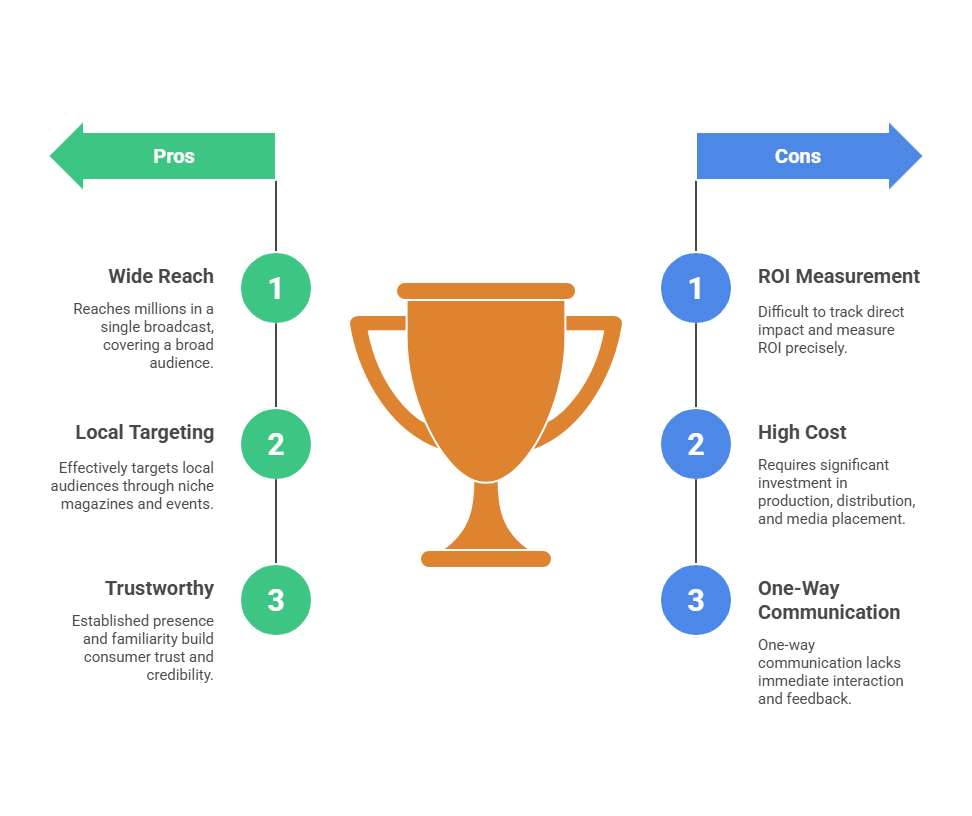
The advantages of traditional marketing include its wide reach and ability to target local audiences effectively. Television commercials, for example, can reach millions in a single broadcast, while print ads in niche magazines can engage highly targeted demographics. Traditional marketing is often trusted due to its established presence and familiarity among consumers.
However, traditional marketing also has limitations. Measuring the return on investment (ROI) can be challenging, as tracking the direct impact of a billboard or magazine ad is less precise than digital campaigns. Additionally, traditional methods can be costly, requiring significant investment in production, distribution, and media placement.
Strategies in Traditional Marketing
One of the most successful traditional marketing strategies is the use of storytelling through mass media. Television and radio advertisements often focus on emotional appeal, creating narratives that resonate with audiences. Similarly, print ads use compelling visuals and persuasive copy to capture attention.
Another strategy involves direct engagement with potential customers through events, trade shows, and face-to-face interactions. This approach allows businesses to demonstrate products, answer questions, and foster personal connections that strengthen brand loyalty.
Despite its effectiveness, traditional marketing is increasingly being complemented by digital techniques to enhance reach and measurability.
Modern Marketing: The Digital Revolution
Modern marketing, often referred to as digital marketing, leverages technology and data to engage audiences more precisely and interactively. It focuses on building personalized experiences and establishing ongoing relationships with consumers through online channels such as social media, search engines, email, websites, and mobile applications.
Key Features of Modern Marketing
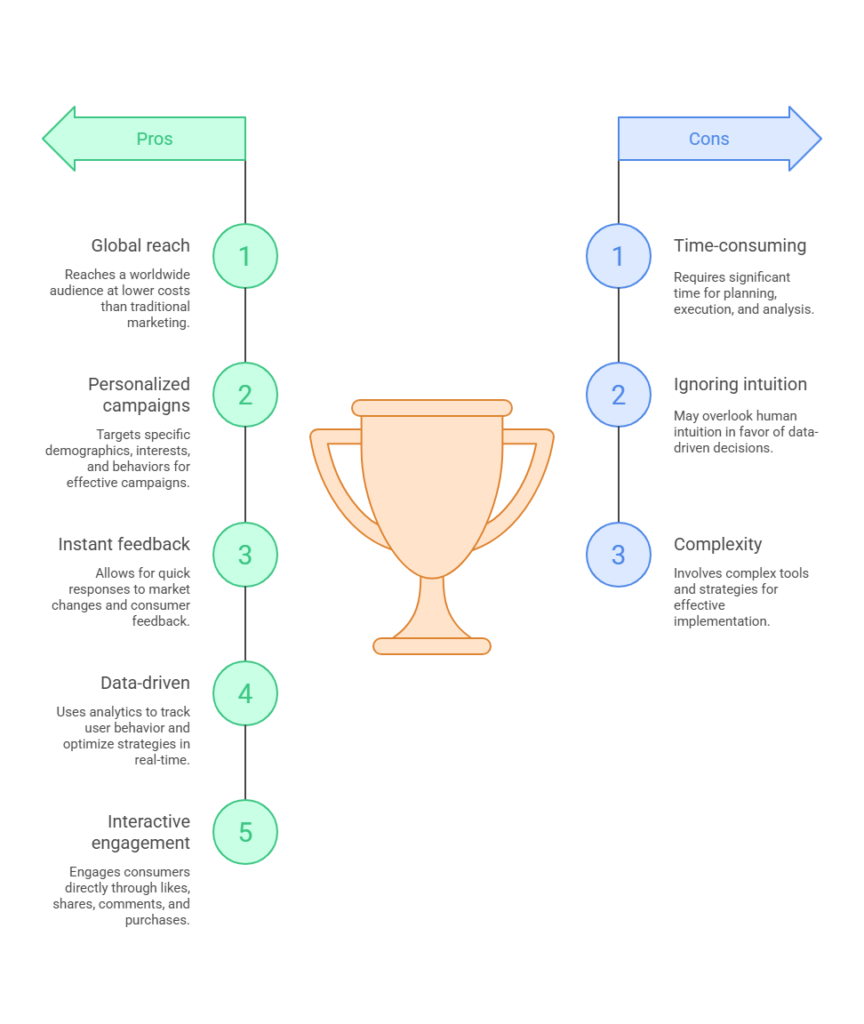
Unlike traditional marketing, modern marketing is highly interactive. Consumers can engage directly with brands by liking, sharing, commenting, or purchasing online. This two-way communication allows businesses to gather valuable insights into consumer behavior, preferences, and trends.
Modern marketing is data-driven. Marketers use analytics tools to track user behavior, measure campaign performance, and optimize strategies in real-time. This level of precision enables businesses to maximize ROI and reduce wastage in advertising spend.
The advantages of modern marketing are extensive. It provides global reach at relatively lower costs compared to traditional methods. Campaigns can be personalized, targeting specific demographics, interests, and behaviors. Additionally, digital marketing facilitates instant feedback and adjustments, allowing brands to respond to market changes swiftly.
Strategies in Modern Marketing
Content marketing is one of the pillars of modern marketing. By providing valuable information through blogs, videos, podcasts, and social media posts, businesses establish themselves as authorities in their field. Search engine optimization (SEO) and pay-per-click (PPC) advertising help brands increase visibility and attract potential customers actively searching for products or services.
Social media marketing leverages platforms like Facebook, Instagram, LinkedIn, and TikTok to engage users with interactive campaigns, influencer collaborations, and live events. Email marketing remains a powerful tool for nurturing leads, offering promotions, and maintaining ongoing communication with customers.
Additionally, modern marketing relies heavily on automation and personalization. Tools like customer relationship management (CRM) systems and AI-driven chatbots help deliver tailored messages and recommendations to individual users, enhancing the overall customer experience.
Comparing Traditional and Modern Marketing
Understanding the differences between traditional and modern marketing is essential for creating an effective marketing strategy. While both approaches aim to promote products and services, they differ in execution, reach, engagement, and measurability.
Reach and Targeting
Traditional marketing often targets a broad audience with limited segmentation. Television, radio, and print media broadcast messages to millions, hoping that a fraction of viewers will convert into customers. In contrast, modern marketing allows precise targeting based on demographics, interests, online behavior, and geographic location. This precision increases the likelihood of reaching potential customers who are genuinely interested in the offerings.
Engagement and Interaction
One of the most significant differences is the level of interaction. Traditional marketing is primarily one-way, with businesses sending messages to consumers without expecting immediate feedback. Modern marketing fosters two-way communication, enabling brands to engage users, gather insights, and adjust strategies dynamically. Social media comments, online reviews, and email responses create a dialogue that strengthens customer relationships.
Measurability and Analytics
Measuring ROI in traditional marketing is often challenging. Metrics such as TV ratings, circulation figures, or foot traffic can provide some insights, but they do not capture the full picture of consumer behavior. Modern marketing, on the other hand, offers real-time analytics and tracking. Marketers can monitor clicks, impressions, conversions, and engagement metrics to evaluate performance and make data-driven decisions.
Cost and Flexibility
Traditional marketing campaigns typically require substantial upfront investment, including production costs, media placements, and distribution. Once executed, these campaigns offer limited flexibility to adapt or change messaging. Modern marketing tends to be more cost-effective, with options for scalable campaigns, targeted advertising, and rapid adjustments based on real-time performance.
Brand Perception and Trust
Traditional marketing often benefits from perceived credibility due to its longstanding presence in mass media. TV commercials and print advertisements are seen as authoritative and trustworthy. Modern marketing, however, emphasizes authenticity and relatability. Influencer partnerships, user-generated content, and interactive campaigns create a more personal connection with audiences, building trust over time.
Integrating Traditional and Modern Marketing
While traditional and modern marketing have distinct characteristics, the most successful businesses often integrate both approaches. A hybrid strategy allows companies to leverage the strengths of each method while mitigating their weaknesses.
For instance, a brand might use television advertising to build awareness and credibility while running digital campaigns to engage targeted audiences and drive conversions. Trade shows and in-person events can be complemented by social media promotions and live streaming to extend reach and interactivity.
Integrated marketing ensures consistency in messaging across all channels, reinforcing brand identity and enhancing customer experience. It also allows businesses to measure effectiveness more accurately by combining offline and online data, enabling smarter decision-making.
Case Studies of Traditional vs Modern Marketing
Consider a beverage company launching a new product. Using traditional marketing, they might advertise through TV commercials, billboards, and magazine spreads. These methods create broad awareness but offer limited interaction with consumers.
Simultaneously, the company can leverage modern marketing by creating social media campaigns, influencer partnerships, and targeted email promotions. They can analyze engagement metrics, track conversions, and optimize campaigns in real-time. The combination of traditional credibility and modern precision often yields the best results.
Another example is a retail clothing brand. They may host in-store events, send direct mail, and run print advertisements while simultaneously engaging customers through Instagram stories, online contests, and personalized email offers. By integrating traditional and digital channels, the brand maximizes its reach and deepens customer relationships.
Future Trends in Marketing
Marketing continues to evolve rapidly, driven by technological innovation, consumer behavior shifts, and changing market dynamics. Some emerging trends shaping the future include:
- Artificial Intelligence and Automation: AI-powered tools are transforming marketing by predicting customer behavior, personalizing campaigns, and automating repetitive tasks.
- Voice and Visual Search: With the rise of smart speakers and image-based search, marketers must optimize content for voice queries and visual recognition.
- Experiential Marketing: Consumers increasingly value experiences over products. Brands are focusing on creating memorable, immersive events that foster emotional connections.
- Sustainability and Ethical Marketing: Modern consumers expect brands to prioritize sustainability, ethical practices, and social responsibility. Marketing strategies are increasingly reflecting these values.
- Augmented Reality (AR) and Virtual Reality (VR): AR and VR enable interactive and immersive experiences, allowing consumers to visualize products and engage with brands in new ways.
Conclusion
Understanding the fundamentals of marketing is vital for businesses navigating the modern commercial landscape. Traditional and modern marketing each offer unique advantages and limitations. Traditional marketing excels in reach, credibility, and emotional storytelling, while modern marketing offers precision, interactivity, and measurable results.
The key to success lies in integrating both approaches, creating cohesive strategies that leverage the strengths of each channel. By staying informed about emerging trends and continuously adapting to consumer preferences, businesses can achieve sustainable growth and long-term brand loyalty.
Marketing is no longer just a tool for promotion; it is a dynamic process of building meaningful connections, delivering value, and shaping the customer experience. Mastering the fundamentals of marketing equips businesses with the knowledge and skills to thrive in an increasingly competitive and digitally driven world.