

Social media has changed the way brands communicate with audiences. A single post can build a brand identity, spark conversations, and even drive sales. But behind almost every successful social media post is something deceptively simple: the caption.
Captions shape how people interpret images and videos. They provide context, emotion, humor, and sometimes a call to action that nudges people to like, comment, or share. Writing them consistently, however, can be surprisingly difficult. Many creators stare at their screens wondering what to write after uploading a perfect photo or editing a short video.
This is exactly where modern artificial intelligence tools come in. An AI Caption Generator helps marketers, influencers, and everyday users craft engaging captions in seconds instead of minutes or hours. Instead of struggling with writer’s block, creators can focus on creativity and storytelling.
In this detailed guide, we will explore how AI-powered caption tools work, why they matter for social media growth, and how you can use them effectively for platforms like Instagram, TikTok, and Facebook. The goal is simple: help you create captions that feel natural, engaging, and aligned with your brand voice.
The Growing Importance of Social Media Captions
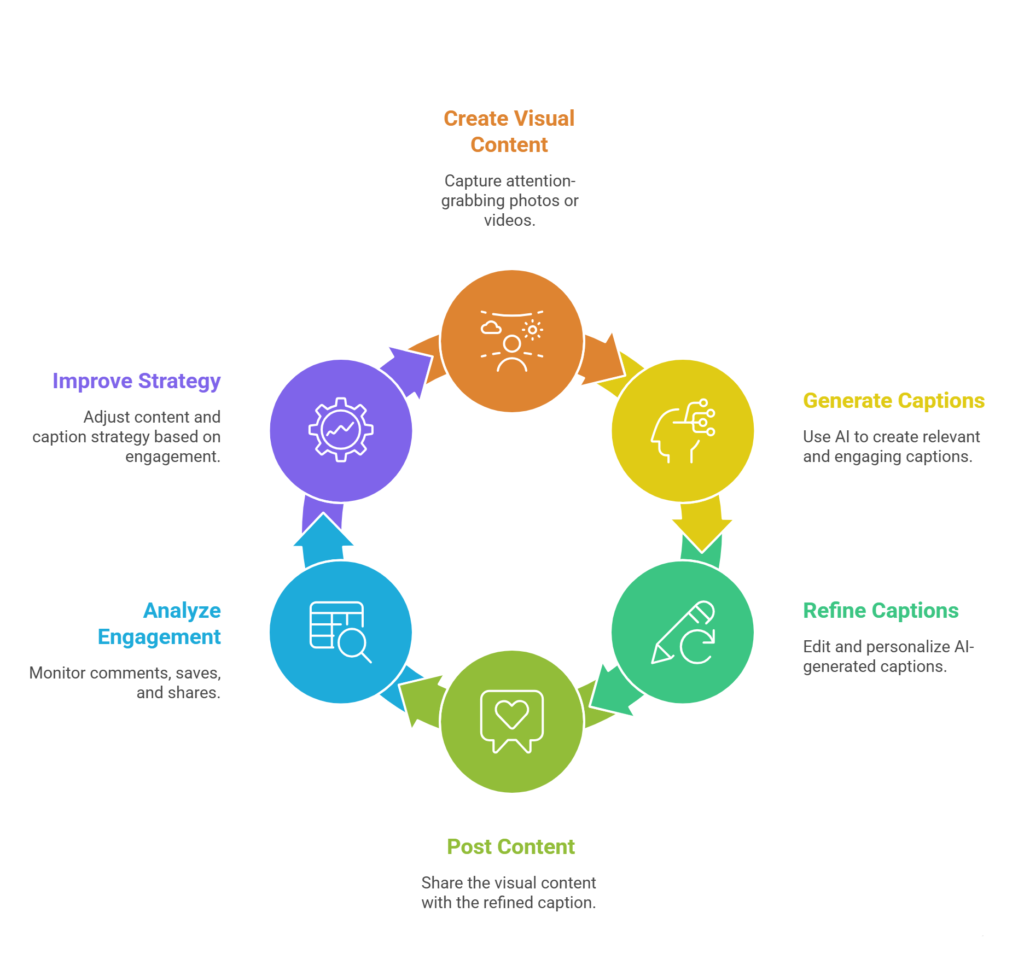
A photo may capture attention, but captions often determine whether users engage with the content. Social platforms have evolved significantly over the past decade. Early social media posts relied mostly on visuals, but today algorithms evaluate engagement signals such as comments, saves, and shares. Captions can strongly influence those signals.
A well-written caption adds context to visual content. It can tell a story about the moment behind a photo, provide educational value, or deliver humor that resonates with an audience. Brands use captions to communicate values, promote products, and guide followers toward specific actions.
Many creators have started relying on an AI Caption Generator to maintain consistency in their posts while reducing the time spent writing captions. These tools use natural language processing to understand prompts and generate text that feels conversational and relevant to the platform.
For example, a travel influencer posting a sunset photo might receive several caption suggestions ranging from inspirational quotes to playful travel commentary. Instead of spending fifteen minutes crafting a single caption, they can quickly refine one generated by AI.
This shift is particularly valuable for businesses that manage multiple social media accounts. Marketing teams often create dozens of posts each week. AI tools help them scale content production without sacrificing quality.
How AI Caption Technology Works
Artificial intelligence caption tools are powered by large language models and machine learning systems trained on massive datasets. These models analyze patterns in language, tone, and context across millions of examples.
When someone enters a prompt into an AI Caption Generator, the system analyzes several elements. It considers the topic, platform style, emotional tone, and sometimes even trending hashtags or keywords. Based on this information, the model predicts and generates text that matches the request.
Most modern tools operate through a simple workflow. A user uploads an image or writes a short prompt describing the content. The AI processes the input and generates several caption variations. These variations may differ in tone, length, or style.
Some tools focus specifically on social media. They understand that captions for Instagram often include storytelling or emojis, while TikTok captions are typically shorter and trend-driven. Facebook captions may lean more toward conversational storytelling or promotional messaging.
As AI models continue to improve, these systems are becoming increasingly accurate at matching brand voice and audience expectations. What once felt robotic or generic now often feels surprisingly human.
Why Businesses and Creators Use AI for Captions
Content creation has become one of the most time-consuming aspects of digital marketing. Brands are expected to publish consistently across multiple platforms while maintaining creativity and originality.
Using an AI Caption Generator allows creators to streamline the caption-writing process without sacrificing quality. Instead of starting from scratch, users receive several structured ideas that can be edited and customized.
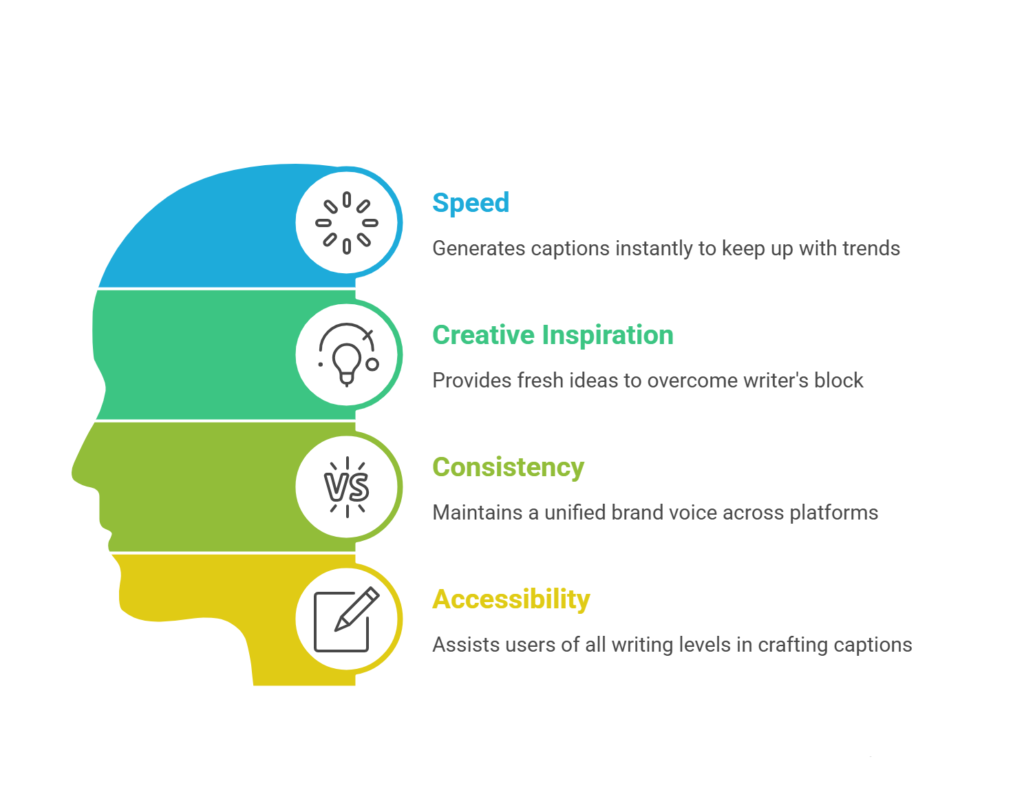
One major advantage is speed. Social media trends move quickly. A trending meme or viral audio clip may only stay relevant for a short period. AI tools help creators respond quickly by generating captions instantly.
Another advantage is creative inspiration. Many creators experience writer’s block, especially when posting frequently. AI-generated suggestions provide fresh ideas and angles that might not have been considered otherwise.
Consistency is another benefit. Brands often struggle to maintain a consistent voice across different team members managing social accounts. AI tools can be trained or guided to follow a particular tone, ensuring that captions remain aligned with brand identity.
There is also the accessibility factor. Not everyone is a skilled writer, yet social media requires clear and engaging communication. AI helps level the playing field by assisting users in crafting polished captions regardless of writing experience.
The Role of Captions in Instagram Growth
Instagram remains one of the most competitive social platforms. With millions of photos and videos posted every day, standing out requires more than just aesthetic visuals.
Captions play an important role in storytelling and audience engagement. Influencers often use captions to share personal stories, travel experiences, or behind-the-scenes moments. Brands use them to highlight product features, promotions, or brand values.
An AI Caption Generator can help Instagram users craft captions that match the platform’s storytelling style. For example, a lifestyle brand posting a product image might receive caption suggestions that blend emotional storytelling with subtle promotion.
Long-form captions can perform particularly well on Instagram when they feel authentic and relatable. AI tools can generate narrative-driven captions that connect with audiences emotionally.
Hashtags are another important element. Many AI tools suggest relevant hashtags based on the caption topic. This can improve discoverability and help posts reach users beyond existing followers.
Captions also influence comments. Asking questions or prompting opinions encourages interaction, which signals engagement to the algorithm. AI-generated captions often include conversational prompts that encourage followers to participate.
Using AI for TikTok Caption Creativity
TikTok operates very differently from traditional social platforms. The content moves quickly, trends evolve daily, and captions tend to be short but impactful.
Creators frequently use humor, curiosity, or emotional hooks to capture attention. Because videos autoplay in feeds, the caption often serves as a quick context setter rather than a full narrative.
Many creators rely on an AI Caption Generator to produce short, catchy captions that align with TikTok’s fast-paced culture. These captions might include playful phrases, trending slang, or intriguing questions that encourage viewers to watch the video until the end.
Another advantage is trend adaptation. TikTok trends often revolve around specific phrases or themes. AI tools can analyze current trends and generate captions that align with those patterns.
This ability to adapt quickly is valuable for creators who post multiple videos each day. Instead of brainstorming dozens of caption ideas, they can generate several suggestions instantly and select the one that feels most natural.
Facebook Captions and Storytelling
Facebook remains one of the largest social networks, and its audience behavior is slightly different from platforms like TikTok or Instagram.
Users on Facebook often engage with longer, story-driven posts. Community discussions, shared memories, and informative content perform well on the platform.
An AI Caption Generator can help marketers create captions that feel conversational and community-focused. For example, a local business posting about a new product might receive caption suggestions that invite customers to share their opinions or experiences.
Facebook captions also work well when they include emotional storytelling. Many brands share stories about their founders, customers, or community initiatives. AI tools can generate narrative-style captions that feel engaging while maintaining clarity.
Another important element is calls to action. Facebook posts often encourage users to click links, attend events, or participate in discussions. AI-generated captions frequently include natural prompts that guide readers toward specific actions.
How to Use AI Caption Tools Effectively
Artificial intelligence tools are powerful, but they work best when used as creative partners rather than complete replacements for human creativity.
When using an AI Caption Generator, the first step is writing a clear prompt. The more context you provide, the more accurate the generated captions will be. For example, describing the image, the intended audience, and the tone you want can significantly improve the results.
Editing is also essential. AI-generated captions often provide a strong starting point, but adding personal touches helps maintain authenticity. Adjusting the wording, adding brand-specific phrases, or inserting emojis can make the caption feel more natural.
Experimentation also plays an important role. Most tools generate multiple caption options. Trying different styles can reveal which tone resonates most with your audience.
Consistency is another factor to consider. Social media audiences recognize brand voice over time. Using AI suggestions while maintaining consistent tone and messaging ensures that captions remain aligned with brand identity.
Popular AI Caption Tools in the Market
The rise of AI-powered content creation has led to the development of many specialized caption tools. Some platforms focus exclusively on social media captions, while others offer broader content generation capabilities.
An AI Caption Generator can be found in various tools designed for marketers, creators, and businesses. These tools often integrate features like hashtag suggestions, tone adjustments, and multi-language support.
Many platforms allow users to generate captions for specific social networks. This is particularly useful because each platform has unique formatting styles and engagement patterns.
Some tools also analyze engagement data from previous posts. By studying which captions performed well, they can generate suggestions that are more likely to resonate with audiences.
As the technology continues to evolve, these tools are becoming more sophisticated. They can now mimic brand voice, generate captions based on images, and even adapt tone for different audiences.
SEO and Discoverability Through Captions
Captions are not only important for engagement but also for discoverability. Many social platforms rely on text signals to understand and categorize content.
Using an AI Caption Generator can help ensure that captions include relevant keywords and context. This can improve how content appears in search results or recommendation feeds within social platforms.
For example, Instagram and TikTok increasingly rely on text analysis to categorize posts. Including relevant words and phrases in captions can help content reach users interested in similar topics.
AI tools can assist by suggesting relevant phrases based on the content theme. This makes captions more aligned with platform algorithms while still sounding natural.
However, it is important not to over-optimize. Captions should still feel conversational and engaging rather than overly structured for algorithms.
Best Practices for Writing Captions with AI Assistance
Artificial intelligence can generate captions quickly, but successful social media strategies still rely on thoughtful editing and personalization.
When working with an AI Caption Generator, it is helpful to focus on clarity and authenticity. The generated caption should reflect your brand voice and resonate with your audience.
Tone plays an important role. Some brands prefer humor and casual language, while others emphasize professionalism and authority. Adjusting the AI-generated text ensures that it aligns with your brand personality.
Emotion is another key factor. Captions that evoke curiosity, excitement, or relatability tend to perform better than purely informational text.
Storytelling also enhances engagement. Even short captions can tell micro-stories about moments, experiences, or behind-the-scenes details.
By combining AI efficiency with human creativity, creators can produce captions that feel natural while saving time.
The Future of AI in Social Media Content Creation
Artificial intelligence is rapidly transforming how digital content is created. Caption generators are only one example of how AI is reshaping marketing workflows.
The next generation of tools will likely integrate deeper visual analysis. Future AI systems may analyze an uploaded image or video and automatically generate captions that describe the scene, mood, and context.
An AI Caption Generator may also integrate directly with social media scheduling platforms. This would allow marketers to generate, edit, and schedule posts within a single interface.
Voice and video integration is another emerging trend. AI tools may soon generate captions based on spoken dialogue in videos, making content creation even more streamlined.
As AI continues to evolve, the line between content ideation and content execution will become increasingly blurred. Creators will spend less time struggling with captions and more time focusing on storytelling, strategy, and audience connection.
Final Thoughts
Writing engaging captions is one of the most underrated skills in social media marketing. While visuals attract attention, captions provide meaning, emotion, and direction.
Artificial intelligence tools have made caption creation faster and more accessible than ever before. Instead of facing writer’s block or spending hours brainstorming ideas, creators can generate multiple caption options instantly.
The key is to treat AI as a creative assistant rather than a replacement for human voice. By combining AI-generated suggestions with personal storytelling and brand identity, creators can produce captions that truly resonate with audiences.
As social media platforms continue to evolve, captions will remain an essential part of content strategy. Whether you are a brand marketer, influencer, or casual creator, learning how to use AI tools effectively can dramatically improve both productivity and engagement.
And honestly, once you start experimenting with these tools, it becomes clear how powerful they can be. They do not replace creativity, but they certainly make the creative process smoother, faster, and sometimes even a little more fun.