
Let’s be honest for a second. Writing content consistently in 2026 feels intense. There’s more competition, more formats, more expectations, and honestly, less time.
That’s exactly why AI Copywriting Tools have gone from “nice to have” to almost essential.
But here’s the catch. Not all tools are created equal. Some are brilliant for long-form blogs, others shine in ads, and a few are just overhyped.
In this guide, I’ll walk you through 15 of the best tools you can actually use, not just test and forget. We’ll cover what they’re good at, where they fall short, and how you can use them in real workflows.
What Are AI Copywriting Tools and Why They Matter in 2026
Before jumping into the list, it’s worth understanding what’s changed.
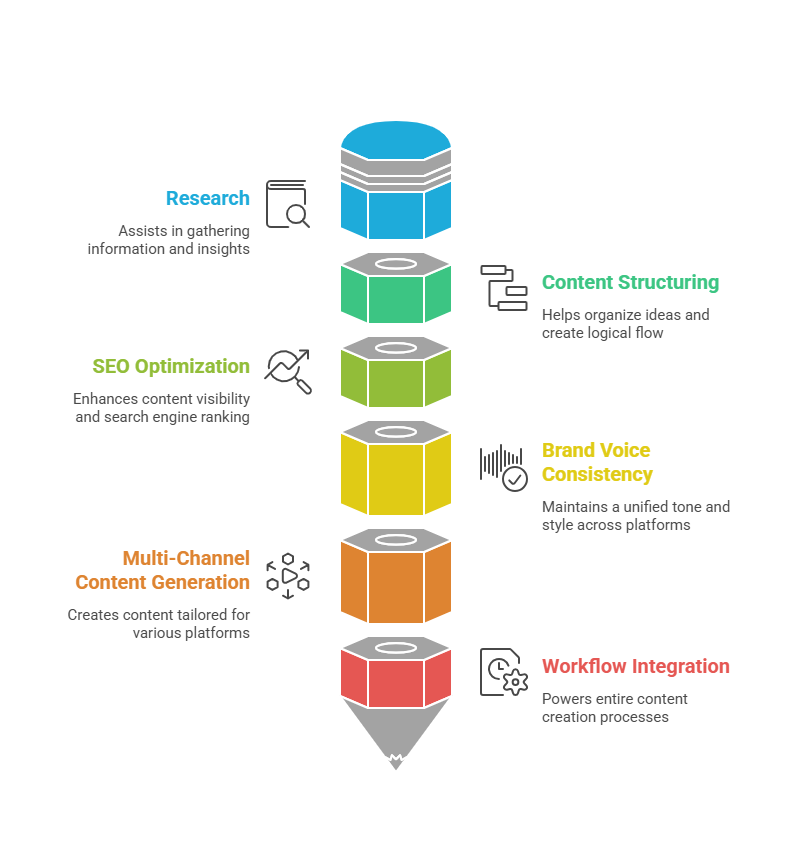
Modern tools are no longer just “text generators.” They now handle:
- Research
- Content structuring
- SEO optimization
- Brand voice consistency
- Multi-channel content generation
In fact, recent industry analysis shows that AI writing platforms now power entire workflows, not just individual tasks, helping teams reduce manual work and improve output quality significantly .
And that shift changes everything.
Instead of replacing writers, these tools act more like collaborators.
How to Choose the Right Tool (Quick Reality Check)
Not every tool is for everyone. I’ve seen marketers pick the wrong tool and then blame AI altogether.
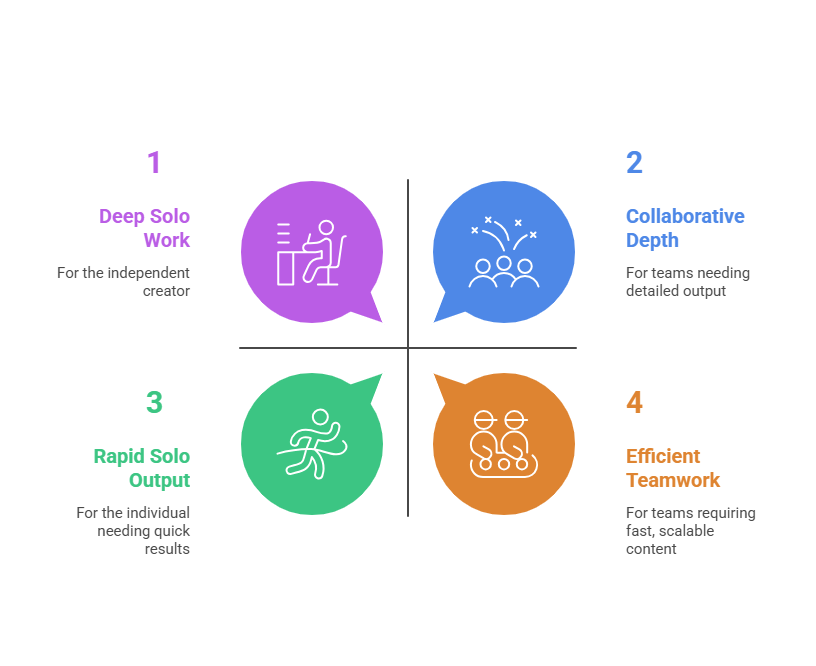
Here’s a simple way to think about it:
- If you write blogs → you need depth and structure
- If you run ads → you need speed and variations
- If you manage teams → you need workflows and collaboration
- If you’re solo → you need simplicity
Keep that in mind as we go through the list.
15 Best AI Copywriting Tools in 2026
1. ChatGPT
Let’s start with the obvious one.
ChatGPT remains one of the most versatile tools available. It handles everything from blog outlines to full-length articles and even ad copy.
What makes it powerful is flexibility. You can guide tone, structure, and intent through prompts.
According to recent industry rankings, it’s still considered the “Swiss army knife” of AI writing tools because of its wide use cases .
Where it shines:
Long-form content, ideation, strategy
Where it struggles:
Requires good prompting skills
2. Claude
Claude is probably the closest thing to human-like writing right now.
If you’ve ever felt AI writing sounds robotic, Claude fixes that. It’s more conversational, nuanced, and less “template-like.”
It’s often preferred for long-form writing and tone-sensitive content .
Where it shines:
Thought leadership, storytelling, detailed blogs
Where it struggles:
Less structured templates compared to marketing tools
3. Jasper AI
Jasper AI is built specifically for marketers.
It comes with templates for ads, landing pages, emails, and more. If you’re running campaigns, this tool feels very… plug-and-play.
It’s especially useful for conversion-focused writing .
Where it shines:
Ads, sales pages, brand voice consistency
Where it struggles:
Can feel templated if overused
4. Copy.ai
Copy.ai focuses heavily on automation.
It’s great for cold emails, outreach, and sequences. If you’re doing outbound marketing, this one saves a ton of time.
Where it shines:
Sales copy, email funnels
Where it struggles:
Not ideal for deep long-form content
5. Writesonic
Writesonic is a solid all-rounder.
It combines AI writing with SEO capabilities, making it useful for bloggers and marketers alike.
Where it shines:
SEO blogs, product descriptions
Where it struggles:
Output sometimes needs refinement
6. Rytr
Rytr is perfect if you’re just starting out.
It’s affordable and easy to use, though not as powerful as premium tools.
Where it shines:
Short-form content, beginners
Where it struggles:
Limited depth
7. Surfer SEO
Surfer SEO is not just a writing tool, it’s an optimization engine.
It gives real-time SEO suggestions as you write, helping you rank better .
Where it shines:
SEO-driven content
Where it struggles:
Not a standalone writing solution
8. Notion AI
Notion AI integrates directly into your workspace.
If you already use Notion, this feels like a natural extension.
Where it shines:
Documentation, internal content, workflows
Where it struggles:
Less powerful for marketing copy
9. Grammarly (Superhuman AI)
Grammarly has evolved beyond grammar checking.
It now acts as a full AI productivity assistant with drafting and rewriting capabilities.
Recent updates show it’s becoming an all-in-one AI work platform rather than just a writing tool .
Where it shines:
Editing, polishing, clarity
Where it struggles:
Not ideal for generating full content from scratch
10. QuillBot
QuillBot is excellent for rewriting and improving existing content.
Where it shines:
Paraphrasing, summarizing
Where it struggles:
Not a full copywriting solution
11. Google Gemini
Google Gemini integrates deeply with Google Workspace.
That means it can pull context from your docs, emails, and files.
Where it shines:
Research-based writing, collaboration
Where it struggles:
Less marketing-focused
12. Writer.com
Writer is designed for teams.
It helps maintain brand voice and content governance across large organizations.
Where it shines:
Enterprise content consistency
Where it struggles:
Overkill for individuals
13. Scalenut
Scalenut is built for SEO-first content workflows.
It combines keyword research with AI writing, which is honestly quite useful.
Where it shines:
Content marketing at scale
Where it struggles:
UI can feel complex initially
14. Hypotenuse AI
Hypotenuse AI focuses on e-commerce content.
If you run an online store, this tool is surprisingly effective.
Where it shines:
Product descriptions, catalogs
Where it struggles:
Limited outside ecommerce
15. JustDone AI
JustDone AI combines writing with plagiarism detection and fact-checking.
It’s a good option if originality matters a lot in your workflow .
Where it shines:
Content verification and rewriting
Where it struggles:
Less creative than others
How to Actually Use These Tools (Not Just Collect Them)
Here’s something most blogs won’t tell you.
Using 5 tools poorly is worse than using 2 tools well.
A simple workflow could look like:
- Use ChatGPT or Claude for drafts
- Use Surfer SEO for optimization
- Use Grammarly for polishing
That’s it.
You don’t need all 15. You just need the right combination.
Trends Shaping AI Copywriting in 2026
The space is evolving fast. A few things I’ve personally noticed:
1. Tools Are Becoming Workflow Engines
They’re no longer isolated tools. They connect research, writing, editing, and publishing.
2. Human + AI Collaboration Is the Real Advantage
AI alone won’t win. Humans who use AI effectively will.
3. Personalization Is Getting Better
Modern systems can adapt tone, audience, and even intent more accurately than before.
Common Mistakes to Avoid
A quick reality check again.
- Copy-pasting AI output without editing
- Ignoring brand voice
- Over-optimizing for SEO
- Using too many tools at once
I’ve done some of these myself, and yeah… it doesn’t end well.
Final Thoughts
AI Copywriting Tools are not magic. But they are powerful.
If you use them strategically, they can:
- Save hours of work
- Improve content quality
- Help you scale faster
If you use them blindly, they’ll just create more noise.
So maybe start simple. Pick one or two tools, build a workflow, and refine from there.
That’s honestly what works best.