
In 2026 the landscape for digital marketing continues to evolve at a breakneck pace, blending emerging technologies with timeless marketing truths. If you are a marketer, founder, business leader, or creative professional, you’ve likely realized that brand awareness strategies are no longer optional—they are essential for surviving and thriving. Today, the digital ecosystem demands not only visibility but meaningful connection with audiences who have more options, higher expectations, and shorter attention spans than ever before.
In this deep dive, I’m going to walk you through the most effective digital brand awareness strategies that actually work in 2026. This will be detailed, grounded in current trends, and packed with actionable insights that respect both creativity and measurement.
Understanding Brand Awareness in a New Era
Before we dig into specific digital brand awareness strategies that work now, let’s clarify what brand awareness truly means in 2026. It isn’t simply about getting seen. It’s about being recognized, remembered, and associated with something meaningful by the right audiences.
Brand awareness is composed of a few key dimensions: familiarity, recall, relevance, and sentiment. In a world where AI curates content, algorithms gatekeep discovery, and privacy changes limit tracking, brand awareness requires strategic thinking across channels and moments.
For many brands, the question has shifted from how many impressions did we get to how deep was each impression and did it move the audience closer to trust and preference?. The digital brand awareness strategies you choose must reflect this shift.
Why Traditional Tactics Alone Aren’t Enough
Traditional display ads, banner placements, and even basic social media posts still serve a purpose, but their effectiveness without context or personalization is far lower than it was five years ago. In 2026, consumers are savvy; they expect value in every interaction. They want resonance, not repetition.
Consider this: A consumer who sees your logo 10 times without context isn’t necessarily more aware of your brand’s value or purpose. But a consumer who sees your content in a relevant moment, based on interests or intent, and engages with it meaningfully—that’s when awareness truly sticks.
This is why brand awareness strategies in 2026 require a blend of emotional resonance, smart targeting, and seamless integration across platforms and touchpoints.
The Role of Generative AI in Brand Awareness
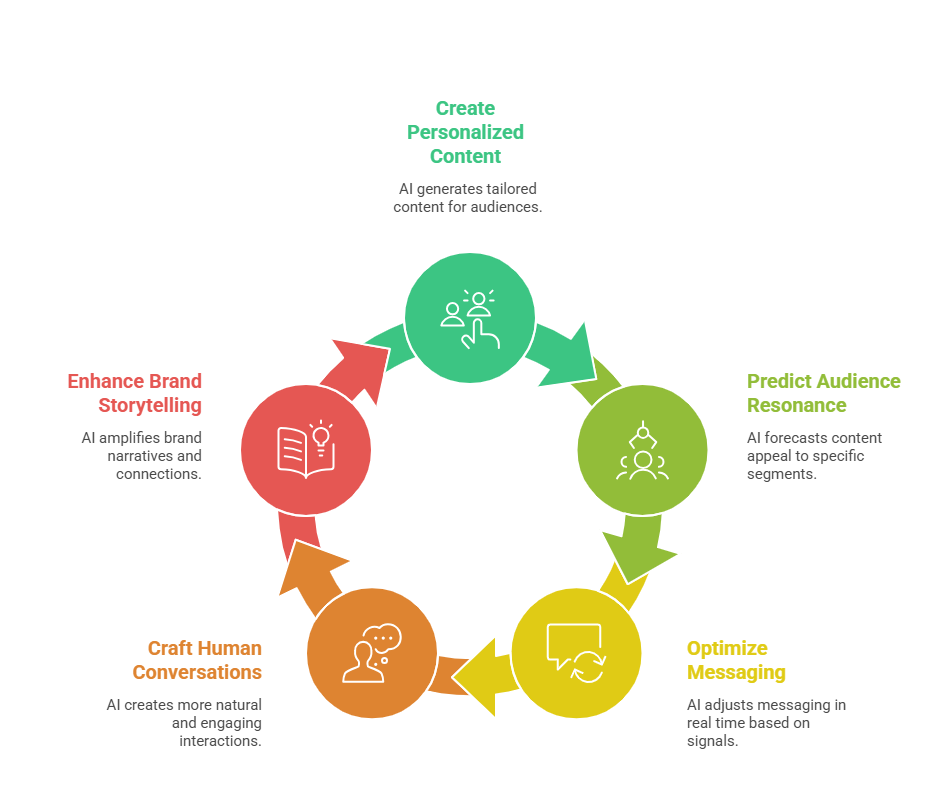
Generative AI has become one of the biggest game-changers in digital marketing. Tools powered by AI now allow brands to:
- Create dynamic, personalized content at scale
- Predict what kinds of content resonate with specific audience segments
- Optimize messaging in real time based on audience signals
- Craft conversations that feel more human
These capabilities have revolutionized brand storytelling and amplified how digital brand awareness strategies can connect with diverse audiences.
AI doesn’t replace creativity; it amplifies it. In fact, some of the most successful campaigns in 2026 are those where AI-generated content was combined with human judgment to craft narratives that feel authentic and impactful.
The trick isn’t to chase trends blindly but to harness AI in ways that enhance your brand’s unique voice and value proposition.
Content Experience as a Core Strategy
If visibility is the first step, relevance is the second, and meaning is the third. In 2026 content experience is an elevated approach to how your audience discovers, interacts with, and remembers your brand. Rather than scattered pieces of content, brands are designing content ecosystems—cohesive experiences that guide audiences through learning and engagement.
Your content experience might start with a short-form video on a social platform, lead to an immersive interactive article, continue into a live webinar, and ultimately invite the audience to a personalized call to action.
One of the most compelling digital brand awareness strategies involves storytelling that unfolds across touchpoints, reinforcing the brand message without redundancy.
Community-Driven Awareness
Communities are no longer a nice-to-have; they are a central pillar of brand visibility. People trust each other more than they trust brands. So when a community forms around your values, interests, or mission, it becomes one of your most credible channels for awareness.
Communities can exist on social platforms, proprietary apps, or hybrid spaces where your audience feels both empowered and connected. The key is to create environments where people don’t just passively consume content but actively contribute, share, and shape the narrative.
Brand communities in 2026 are spaces of co-creation. They fuel advocacy, spark organic visibility (because members share content naturally), and provide insights that refine future brand exposures.
Cultivating community is one of the digital brand awareness strategies that builds long-term trust and keeps your brand top-of-mind in authentic ways.
Purpose-Led Engagement
Purpose matters. Modern consumers increasingly align with brands that demonstrate values they care about—whether sustainability, inclusivity, social justice, or ethical innovation. This doesn’t mean jumping on trend bandwagons. It means embedding values deeply into the brand’s actions and communications.
Purpose-led engagement helps brands stand out in a crowded digital landscape. When audiences see brands acting with genuine intention, awareness grows because the brand becomes relevant beyond products.
Consider how campaigns that showcase real impact (and not just polished messaging) cut through noise in 2026. These are the digital brand awareness strategies that resonate because they tie emotional significance to everyday brand interactions.
Experiential Digital Moments
One of the most exciting evolutions in digital brand awareness strategies is the rise of experiential digital moments. These aren’t static ads; they are interactive, immersive experiences that invite users into your brand world.
Virtual events, gamified experiences, AR filters, and interactive livestreams are not just gimmicks anymore. They serve as meaningful touchpoints that:
- Build emotional attachment
- Create shareable moments
- Extend reach naturally through user participation
- Generate lasting impressions
These digital experiences can be expensive if done without strategy. The most effective ones are designed with clear goals, aligned messaging, and audience insight at the core.
Influencers with Intent
Influencer marketing is refined in 2026. It’s no longer about follower counts; it’s about relevance and resonance. The best digital brand awareness strategies leverage partnerships with creators whose audiences care deeply and whose content aligns with your brand narrative.
Micro and nano-influencers often outperform macro influencers in awareness because they speak authentically to tightly defined audiences. The key isn’t volume—it’s connection.
When influencers create content that aligns seamlessly with their usual tone and your brand’s message, awareness grows organically because users feel like they discovered something, not like they were sold to.
Search and AI Discovery Optimization
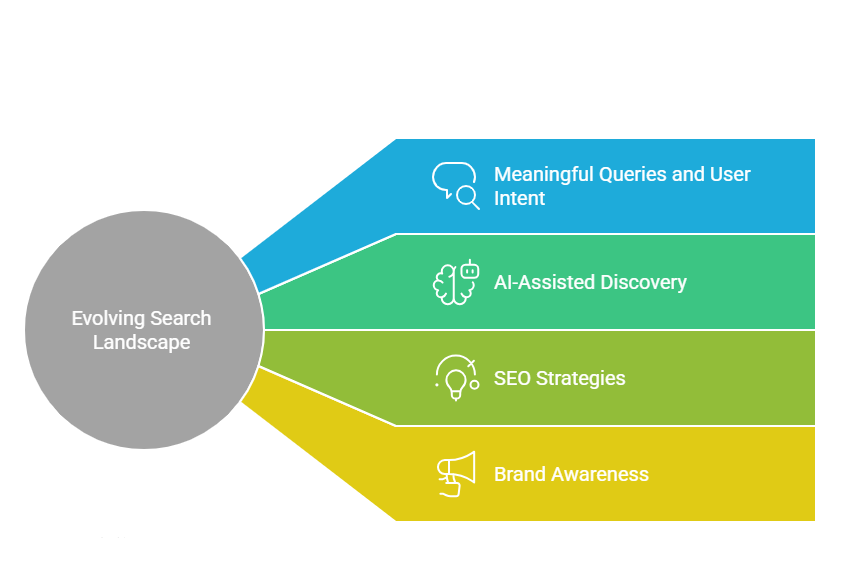
Search hasn’t died; it’s evolved. Now, brands must optimize not just for keywords but for meaningful queries and user intent. With the rise of AI-assisted discovery, your content must be structured to satisfy both human curiosity and algorithmic understanding.
Your SEO efforts now include:
- Structuring content for rich results
- Anticipating question-driven queries
- Designing content that answers core customer needs with clarity
- Aligning content with emerging platforms where users discover information (e.g., AI assistants, voice search)
In this context, search becomes a critical pillar of digital brand awareness strategies. When your content appears as a top result, or as a summarized answer in AI discovery tools, your visibility expands dramatically.
Cross-Platform Consistency
Today’s consumers don’t engage with your brand in one place—they interact across a constellation of platforms. One user might see you first on TikTok, then in a newsletter, then in an AI assistant result, and maybe on a podcast.
The most effective digital brand awareness strategies ensure consistency across all these channels. Consistency doesn’t mean repetition. It means your message, tone, visuals, and value proposition feel unified wherever your audience encounters them.
Across platforms, consistency breeds recognition. Recognition breeds familiarity. Familiarity increases trust. And trust is the foundation of effective brand awareness.
Measurement That Matters
Awareness was once measured primarily by impressions. In 2026, that’s too simplistic. The brands that are winning pay attention to engagement depth, sentiment, recall lift, and conversion influence.
Advanced analytics, AI-driven attribution, and privacy-centric measurement tools help marketers understand how strategic exposures translate to real audience perception.
Part of building digital brand awareness strategies that work is deciding what success looks like before you launch a campaign. Are you seeking improved recall? More brand searches? Social conversations? Longer time spent with content? Each of these signals contributes to awareness.
Tap into Conversational AI
Chatbots and conversational AI are no longer only for customer support. They’re part of the discovery journey. Smart brands use conversational experiences to:
- Personalize recommendations
- Drive engagement through meaningful interaction
- Capture sentiment and feedback
- Create moments where the brand feels present and helpful
When conversational AI is designed to reflect your brand tone and deliver value, it becomes an awareness amplifier. People remember brands that answered questions, solved problems, or made them feel understood in conversational moments.
Localized Awareness with Global Reach
Brands that succeed in 2026 think globally but act locally. Customized messaging for regional preferences, languages, and cultural context enhances relevance.
Localization is not just translation. It’s culturally resonant messaging that respects the audience’s identity and speaks to them in ways that build familiarity and trust.
This strategy is especially vital for brands operating across borders with varied audience segments.
Long-Form Thought Leadership Still Matters
Despite the fatigue around short-form content, long-form thought leadership continues to be an anchor for brand credibility and awareness. When a brand publishes well-researched, insightful articles, reports, or guides, it positions itself as a trusted authority.
These pieces live longer, get referenced more, and signal depth of expertise. They also improve discoverability in search and AI responses.
Including thoughtful perspectives in your digital brand awareness strategies adds substance that makes your brand memorable and respected.
Sustainability and Ethical Practices as Awareness Drivers
Consumers in 2026 care deeply about ethical practices. Brands that demonstrate sincerity in sustainability, transparency, and social responsibility create awareness that is richer and more durable.
When your actions match your messaging, the public trusts your brand more. And trust is a key component of meaningful brand awareness.
This means incorporating sustainability into operations, supply chains, and communication honestly—not superficially.
Putting It All Together
Now, you may be thinking: How do I prioritize? Where does one begin?
The best starting point is to understand your audience deeply. Awareness without relevance is noise. Once you know who your audience is, what they value, and where they spend time, you can tailor your digital brand awareness strategies to meet them there with purpose and resonance.
Focus on meaningful engagement, measure signals that show real connection, and always refine with data and intuition working together.
Brand awareness is not a destination—it’s a dynamic journey. And in 2026 the brands that master this journey win not only attention but lasting loyalty.