

In the ever-evolving digital landscape, brands and marketers constantly seek strategies to attract the right customers, drive conversions, and maximize ROI. Among these strategies, Performance Marketing Campaigns hold a vital place—allowing businesses to measure success in real-time, optimize effectively, and allocate budgets where they matter most. But not all audiences are created equal. Understanding how campaigns differ when targeting cold versus warm audiences can be the difference between wasted ad spend and meaningful growth.
This article explores the nuances of performance marketing campaigns for cold and warm audiences, offering actionable insights that help you tailor your approach to audience intent, engagement levels, and conversion readiness.
Understanding Cold vs Warm Audiences
Before diving into strategies, it’s critical to clearly define cold and warm audiences:
What Defines a Cold Audience?
A cold audience includes users who have little to no prior interaction with your brand. They may fit your target demographic based on location, interests, behavior, or purchase intent, but they’re unfamiliar with your product or service. Examples include:
- Users targeted via broad interest categories on social platforms
- Anonymous web visitors from display ads
- Lookalike audiences derived from high-level attributes
Because these users don’t yet know, like, or trust your brand, campaigns aimed at cold audiences focus more on awareness and initial engagement rather than immediate conversion.
What Defines a Warm Audience?
A warm audience has already interacted with your brand in some meaningful way. This interaction may include:
- Visiting your website or browsing specific product pages
- Subscribing to an email newsletter
- Engaging with your social media content
- Adding products to a cart but not completing checkout
Warm audiences are closer to conversion because they have shown interest or intent. Targeting them requires a different campaign structure and messaging emphasis than cold audiences.
Why Audience Segmentation Matters in Performance Marketing
In performance marketing, audience segmentation isn’t optional—it’s imperative. Trying to engage new users with the same strategy you use for people already familiar with your brand dilutes your messaging and increases acquisition costs.
Here’s why segmentation matters:
- Relevance: Tailored messaging resonates better and drives higher engagement.
- Budget Efficiency: You allocate spend where it’s most effective—raising awareness with cold audiences and pushing conversion with warm ones.
- Optimized User Experience: Visitors are shown the right message at the right time, reducing friction and frustration.
- Performance Tracking: You can measure what works at each stage of the funnel and adjust accordingly.
When well executed, performance marketing campaigns accommodate the disparate needs of these two audience types—delivering the right message at the right time through the right channel.
Key Differences in Campaign Goals
| Audience Type | Primary Goal | Secondary Outcomes |
|---|---|---|
| Cold Audience | Awareness | Interest, Website Traffic |
| Warm Audience | Conversion | Nurture, Retention, Upsell |
Cold audiences require education and exposure. The goal is to introduce your brand, build curiosity, and encourage engagement.
Warm audiences need reinforcement and incentives. They are primed to act—so campaigns should reduce purchase friction, highlight value, and present compelling calls to action.
Tactics for Targeting Cold Audiences
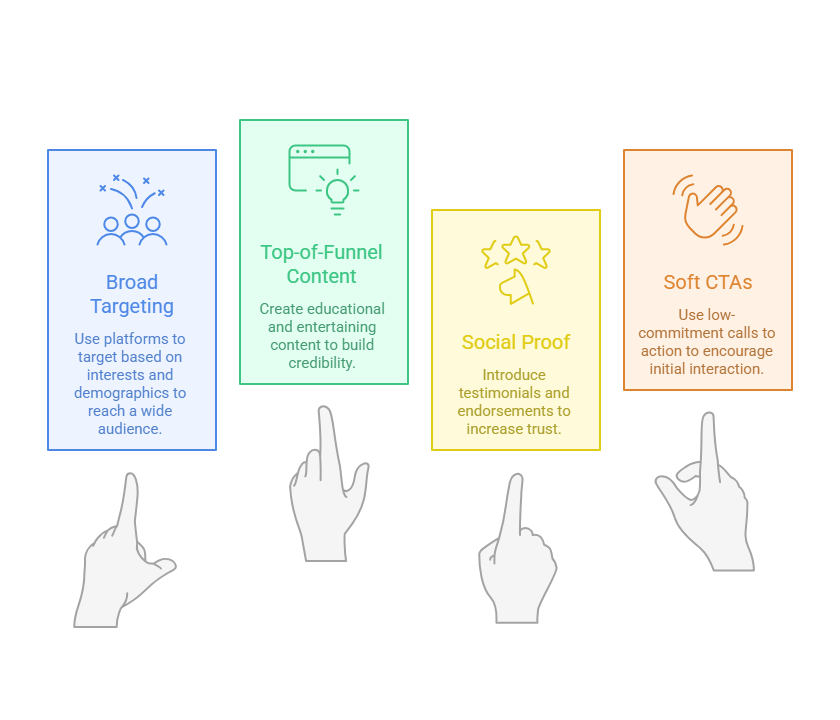
To reach individuals unfamiliar with your brand, adopt strategies that generate broad awareness without overwhelming them. Some high-impact tactics include:
1. Broad Demographic and Interest Targeting
Platforms like Google Ads, Facebook, TikTok, and LinkedIn allow targeting based on interests, behaviors, and demographics. Use these parameters to reach users likely to be receptive to your offering.
- Use interest clusters rather than hyper-niche groups when starting.
- Incorporate lookalike audiences using data from current customers.
2. Top-of-Funnel Content
Content for cold audiences should be educational, entertaining, or thought-provoking.
- Blog posts that solve common problems
- Short videos explaining product benefits
- Infographics or guides related to your niche
This content builds credibility and positions your brand as a resource—not just a seller.
3. Social Proof and Trust Elements
Cold users are skeptical by nature. Introduce social proof early:
- Customer testimonials
- Expert endorsements
- Case studies or user-generated content
Even a simple positive review can increase trust among users unfamiliar with your brand.
4. Soft CTAs
Your call to action should invite low-commitment engagement:
- Learn more
- Discover how it works
- Watch now
- Sign up for free insights
This gentle nudge encourages initial interaction without overwhelming the user.
Tactics for Targeting Warm Audiences
Once a user has interacted with your brand, the goal shifts from awareness to activation and conversion. Here’s how to approach this crucial audience segment:
1. Retargeting Campaigns
Retargeting allows you to follow warm audiences as they browse the web and social apps. Often, these ads remind users of what they were previously interested in.
- Dynamic product ads for items left in a cart
- Reminder ads highlighting value propositions
- Offers based on past interaction
This continuous presence increases the likelihood of conversion.
2. Email Nurturing Sequences
Email remains one of the most effective tools for engaging warm audiences:
- Abandoned cart emails with incentives
- Product recommendations based on browsing history
- Educational content that reinforces value
Use automation to deliver timely messages tailored to user behavior.
3. Exclusive Offers and Incentives
Warm audiences are more likely to convert with a little push:
- Time-limited discounts
- Free shipping
- Bundles and upsell suggestions
Leverage urgency and scarcity to stimulate action.
4. Personalization
Use data from past interactions—like pages visited, content consumed, or cart contents—to tailor your messaging:
- Personalized subject lines
- Dynamic ad creative based on user interests
- Customized landing pages
Personalization enhances relevance, increases engagement, and boosts conversion likelihood.
Creative and Messaging Best Practices
Whether targeting cold or warm audiences, the creative aspect of your performance marketing campaigns can make or break results. Here’s how to tailor your message by audience type:
For Cold Audiences
- Focus on Brand Identity: Introduce your mission, values, and unique selling propositions.
- Keep Messaging Simple: Avoid overwhelming technical details or immediate sales pushes.
- Use Attention-Grabbing Visuals: Early interactions are about capturing interest, so visually arresting content performs better.
- Educate First: Teach something valuable before asking for a commitment.
For Warm Audiences
- Reinforce Value: Remind users why your product or service matters.
- Highlight Benefits Over Features: Communicate immediate and practical benefits.
- Use Clear CTAs: Phrases like Buy now, Claim offer, or Get started today reflect readiness to act.
- Showcase Testimonials and Proof: Warm audiences seek confirmation—show them reviews or results.
Budgeting and Bidding Strategies
Effective performance marketing campaigns adapt budgets and bidding strategies based on audience readiness and potential return.
Cold Audiences
Budgets here should focus on reach and frequency:
- Spread spend across broader audiences to gather enough data.
- Use bidding strategies optimized for impressions or clicks (depending on platform and objective).
- The goal is efficient exposure, not immediate conversions.
Warm Audiences
Since these users are closer to conversion, prioritize budgets that drive actions:
- Increase bids for retargeting segments with high engagement.
- Use conversion-optimized bidding (e.g., Target CPA, ROAS).
- Reallocate budget from underperforming creative to high-performing audiences.
Smart bidding allows algorithms to find users most likely to convert, improving the efficiency of your spend.
Measuring Success: Metrics that Matter
Tracking and analyzing performance is non-negotiable. However, the metrics you prioritize differ by audience type.
For Cold Audiences
Measure engagement and awareness:
- Impressions and reach
- Click-through rate (CTR)
- Time on site and pages per session
- Content interactions (video views, downloads)
High engagement here suggests interest and lays the foundation for later conversion.
For Warm Audiences
Measure conversion and retention:
- Conversion rate
- Cost per acquisition (CPA)
- Return on ad spend (ROAS)
- Repeat purchases or customer lifetime value (CLV)
These metrics determine the tangible impact of your performance marketing campaigns on revenue and growth.
Common Pitfalls and How to Avoid Them
Even well-planned campaigns can stumble. Here are frequent mistakes and how to fix them:
1. Treating All Audiences the Same
Failing to segment results in generic messaging that resonates with no one. Always tailor campaigns to audience intent and readiness.
2. Ignoring Data Signals
If certain creatives or audiences underperform, adjust quickly. This is the essence of performance marketing—respond in real time.
3. Overlooking Cross-Channel Consistency
Ensure messaging and user experience remain cohesive across platforms. A disjointed journey confuses users and dampens performance.
4. Neglecting Creative Refresh
Audiences get fatigued. Rotate creative regularly, especially for cold audiences, to prevent ad blindness.
5. Setting and Forgetting
Performance marketing thrives on optimization. Review performance frequently and iterate.
Conclusion
Understanding the difference between cold and warm audiences is a cornerstone of effective Performance Marketing Campaigns. While cold audience campaigns build awareness and initial interest, warm audience campaigns drive conversions and revenue. By tailoring your strategy—whether through messaging, targeting, budgeting, or metrics—you ensure that each dollar spent contributes meaningfully to your marketing goals.
Ultimately, success lies in thoughtful segmentation, data-driven optimization, and a customer-centric approach. By adopting these practices, marketers can build campaigns that not only reach audiences at the right stage of their journey but also guide them toward becoming loyal customers.