
In the rapidly evolving business ecosystem of India, digital platforms are redefining how brands connect with consumers. Among these transformative strategies, the Scope of Digital Marketing in India stands out as a cornerstone for startups and entrepreneurs seeking to scale their ventures with cost-effective, measurable, and customer-centric approaches. As traditional marketing channels become saturated and expensive, digital marketing offers an unparalleled opportunity to reach audiences with precision, flexibility, and creativity.
This comprehensive article explores the multifaceted landscape of digital marketing, its relevance in today’s business environment, practical strategies for startups and entrepreneurs, the challenges and opportunities that lie ahead, and actionable insights to build a strong digital footprint.
Understanding Digital Marketing: A New Business Imperative
Digital marketing encompasses all marketing efforts that leverage electronic devices and the internet. From search engines and social media platforms to email and content marketing, this discipline empowers businesses to interact directly with current and potential customers where they spend a significant portion of their time online.
For startups and entrepreneurs, digital marketing is not just an option; it has become a business imperative. Unlike traditional marketing, which often requires high budgets and offers limited tracking capabilities, digital methods allow precise performance measurement, real-time optimization, and highly targeted audience engagement. This democratization of marketing tools enables even small enterprises to make a significant impact.
The scope of digital marketing in India is broad, encompassing various channels that cater to different stages of the customer journey. From creating awareness to nurturing leads and converting them into loyal customers, digital marketing supports the entire business growth cycle.
Why Digital Marketing Matters for Startups
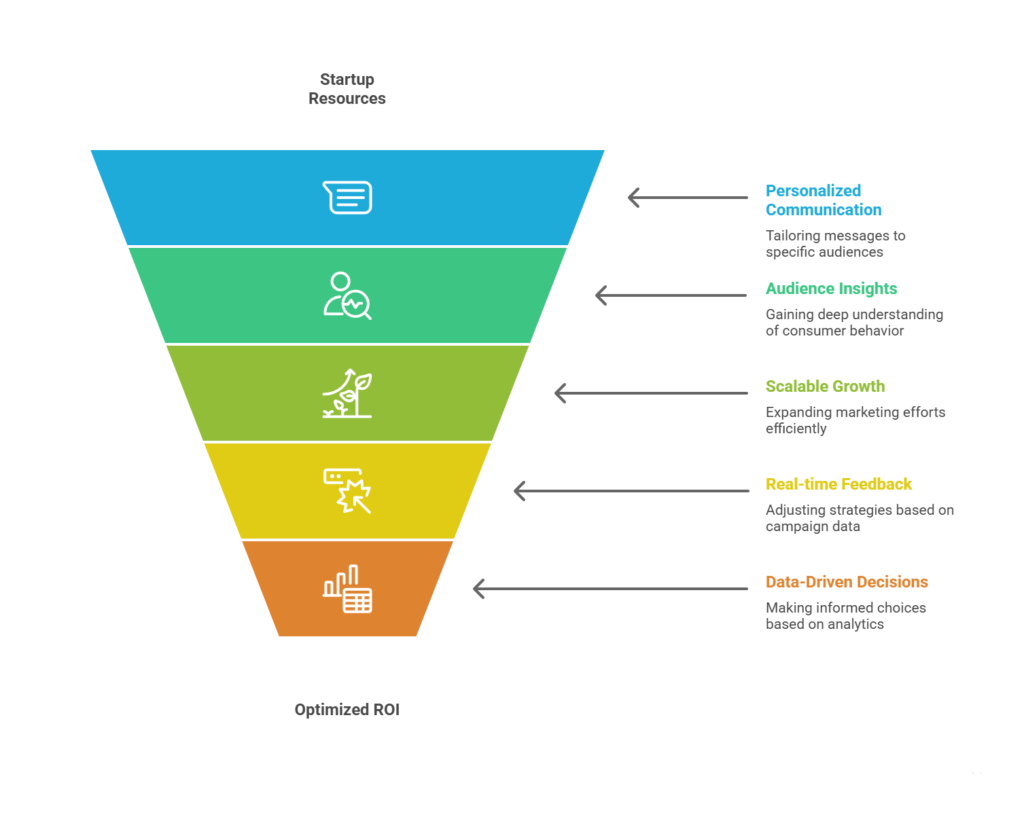
Startups, often operating with constrained resources, need strategies that optimize return on investment while building brand credibility. Digital marketing addresses these needs by enabling personalized communication, deep audience insights, and scalable growth.
In contrast to traditional avenues like print, television, or outdoor advertising, digital marketing allows startups to launch campaigns quickly and efficiently, test messages with various audience segments, and revise tactics based on real-time feedback. This agility is crucial for early-stage companies that are refining their value propositions and exploring market fit.
Entrepreneurs also benefit from the data-driven nature of digital marketing. Detailed analytics offer insights into consumer behavior, campaign performance, and conversion paths, enabling smarter decision-making. When budgets are limited, this level of clarity ensures that resources are directed toward strategies with the highest impact.
The Digital Consumer Landscape in India
India’s digital landscape has witnessed exponential growth over the past decade. With rapid internet penetration, affordable mobile data plans, and the proliferation of smartphones across urban and rural regions, India now hosts one of the largest digital audiences in the world.
Indian consumers are increasingly turning to online platforms for product discovery, price comparison, and purchasing decisions. Search engines, social networks, e-commerce marketplaces, video platforms, and messaging apps have become integral to the day-today digital experience. This shift has expanded the avenues through which startups can attract, engage, and convert customers.
Furthermore, the diversity of India’s digital population — spanning languages, cultures, and socio-economic backgrounds — presents unique opportunities for startups to tailor their digital marketing strategies. Localized content, regional language campaigns, and culturally relevant messaging can drive deeper engagement and brand loyalty.
Core Components of Digital Marketing for Startups
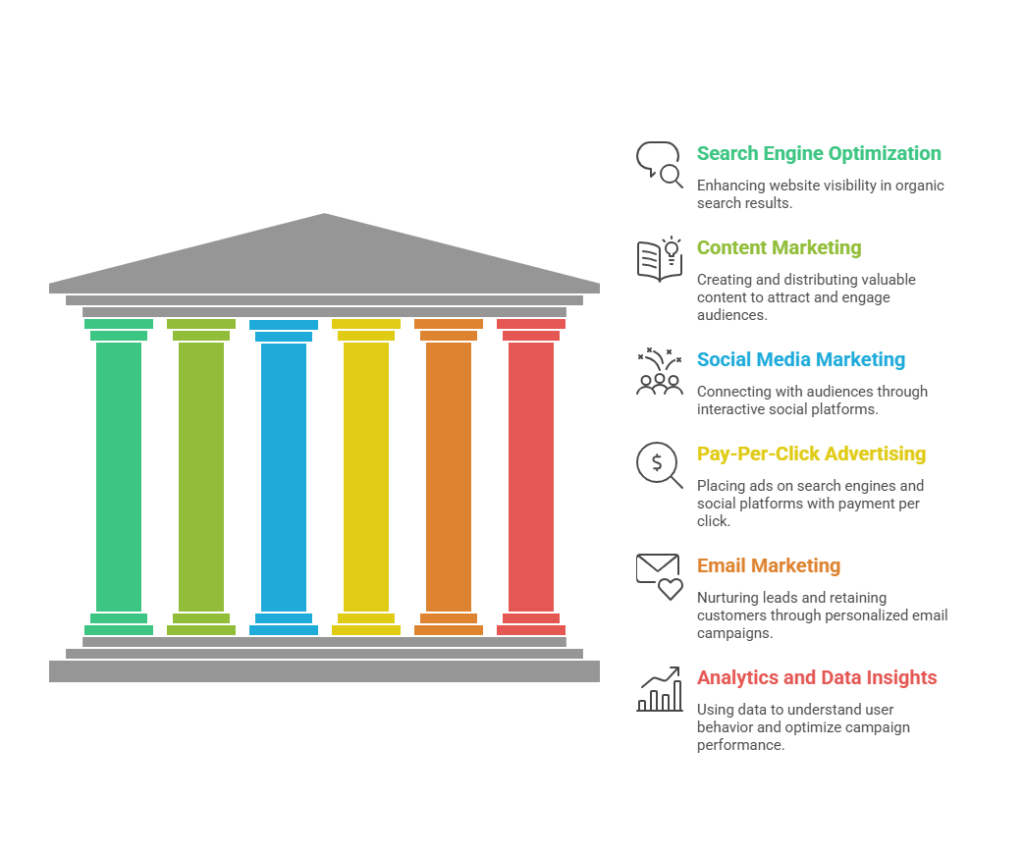
A well-rounded digital marketing strategy comprises several interlinked components, each serving a specific purpose along the consumer journey. Understanding how these components function individually and collectively is key for startups aiming to maximize impact.
Search Engine Optimization (SEO)
SEO focuses on improving a website’s visibility in organic search results. For startups, ranking high on search engines like Google translates to increased brand exposure and credibility. SEO involves keyword research, on-page optimization, technical improvements, and content creation that aligns with user intent.
Unlike paid advertisements, organic search traffic continues to deliver value over time at minimal ongoing cost. This long-term benefit makes SEO a critical pillar for startups looking to establish a sustainable online presence.
Content Marketing
Content marketing involves creating and distributing valuable, relevant, and consistent content to attract and engage a defined audience. For startups, content serves as the foundation for thought leadership, trust building, and customer education.
Quality content can take various forms, such as blog posts, videos, infographics, podcasts, and e-books. Effective content marketing goes beyond self-promotion; it addresses customer questions, solves pain points, and establishes authority in a particular niche.
Social Media Marketing
Social media platforms are powerful tools for startups to connect with audiences in a more personal and interactive manner. Platforms like Facebook, Instagram, LinkedIn, and Twitter allow brands to share stories, engage with followers, and create communities around their products or services.
Through social media marketing, startups can cultivate brand awareness, foster relationships, and amplify their message through user engagement and sharing. These platforms also offer sophisticated targeting options for paid campaigns to reach specific demographics or interests.
Pay-Per-Click (PPC) Advertising
PPC advertising enables startups to place ads on search engines and social platforms and pay only when users click on their ads. This model offers immediate visibility and is especially useful for time-sensitive campaigns or product launches.
Platforms like Google Ads and social media channels enable granular targeting based on demographics, interests, search intent, and behavior. Well-executed PPC campaigns can deliver high conversion rates and measurable ROI, making them an attractive option for startups with defined goals and budgets.
Email Marketing
Email marketing remains one of the most effective channels for nurturing leads and retaining customers. Startups can use email campaigns to deliver personalized messages, announce new products, share content, and maintain ongoing engagement with subscribers.
Unlike social media, where visibility can be affected by algorithm changes, email provides direct access to a brand’s audience. With proper segmentation and automation, startups can deliver timely and relevant messages that resonate with subscribers.
Analytics and Data Insights
Data analytics is the backbone of effective digital marketing. Tools such as Google Analytics, social media insights, and marketing automation platforms provide startups with valuable information about user behavior, campaign performance, and conversion metrics.
These insights enable entrepreneurs to understand what’s working, what needs improvement, and where to allocate resources for maximum impact. Data‐driven strategies increase efficiency and help startups pivot quickly when necessary.
Strategic Roadmap for Startups and Entrepreneurs
Embarking on a digital marketing journey can be overwhelming for early-stage startups. However, a clear strategic roadmap can provide clarity and direction.
The first step is to define your business goals and identify your target audience. Understanding who your customers are, what they need, and where they spend time online will shape every subsequent decision.
Next, startups should establish a strong digital foundation. This includes building a user-friendly website, setting up analytics tools, and optimizing for mobile access. Content should be created with both search engines and human readers in mind.
Once the foundation is in place, startups can roll out targeted campaigns across SEO, social media, email, and paid channels. It’s essential to measure performance regularly and refine strategies based on real data. Continuous learning and experimentation are key to staying relevant in a dynamic digital landscape.
Challenges Faced by Startups in Digital Marketing
Despite its immense potential, digital marketing comes with its own set of challenges. Startups often grapple with limited budgets, competition for visibility, and the complexity of managing multiple channels simultaneously.
Budget constraints can restrict the scale of digital campaigns, especially in paid advertising. However, with thoughtful planning and a focus on organic strategies such as SEO and content marketing, startups can achieve significant growth without overspending.
Another challenge is keeping up with the pace of change in digital platforms and consumer behavior. Trends in social media, search algorithms, and online consumer preferences evolve rapidly. Entrepreneurs must stay informed and adaptable to maintain relevance.
Opportunities for Growth and Innovation
The digital landscape is rife with opportunities for startups willing to innovate. Emerging technologies such as artificial intelligence, machine learning, and data automation are enhancing how digital marketing campaigns are planned, executed, and measured.
AI-powered tools can assist with content personalization, predictive analytics, chatbots for customer service, and automated campaign adjustments. These advancements allow startups to deliver more meaningful interactions at scale.
Additionally, niche marketing and community-driven strategies can help startups build loyal followings without competing directly with industry giants. By focusing on specialized audiences and delivering high-value content, startups can carve their own space in competitive markets.
Real-World Success Stories
Across industries, numerous startups have leveraged digital marketing to achieve remarkable success. Brands that began as small ventures have expanded their reach through intelligent use of SEO, storytelling, social engagement, and customer-centric content strategies.
These success stories reinforce the idea that digital marketing is not just a promotional tool, but a growth engine that enables startups to build awareness, connect with audiences emotionally, and convert interest into action.
Future Trends in Digital Marketing
Looking ahead, the evolution of digital marketing will continue to be shaped by technological advancements and shifts in consumer behavior. Personalized experiences powered by AI, immersive content via augmented reality, voice search optimization, and interactive video formats are expected to gain traction.
For Indian startups and entrepreneurs, adapting to these trends can unlock competitive advantages. As consumers increasingly demand seamless and engaging digital experiences, brands that innovate will thrive.
Measuring Success: Key Metrics to Track
Success in digital marketing is measurable. Startups should monitor key performance indicators that align with their business objectives. These may include website traffic, conversion rates, customer acquisition costs, engagement metrics on social platforms, email open and click-through rates, and return on ad spend.
Regularly tracking these metrics helps startups understand their audience, refine campaigns, and allocate resources wisely. When performance data is clearly defined and analyzed, startups gain the clarity needed to scale with confidence.
Building a Digital-First Culture
For startups to harness the full potential of digital marketing, it’s important to cultivate a digital-first mindset within the organization. This involves embracing data, fostering creativity, encouraging experimentation, and understanding customer needs deeply.
Entrepreneurs should invest in skill-building, whether through in-house training or external learning resources. The digital environment rewards adaptability, and teams that are equipped with digital literacy are better prepared to navigate challenges and seize opportunities.
Conclusion
The Scope of Digital Marketing in India is vast and continually expanding, presenting enormous potential for startups and entrepreneurs. As consumer behavior increasingly shifts toward digital touchpoints, the ability to craft meaningful, measurable, and engaging digital experiences becomes essential.
Digital marketing empowers startups to build brand awareness, drive customer acquisition, foster loyalty, and compete effectively even in crowded markets. While challenges such as budget limitations and rapid technological change exist, the opportunities for innovation and growth are boundless.
For entrepreneurs willing to embrace digital transformation with strategic intent, digital marketing offers not just visibility but a path toward sustainable growth and long-term success. By understanding the landscape, leveraging the right tools, and prioritizing meaningful audience connections, startups in India can harness digital marketing as a powerful engine for business expansion.
With the right blend of creativity, data insight, and customer focus, the journey of digital marketing becomes not only impactful but transformative.